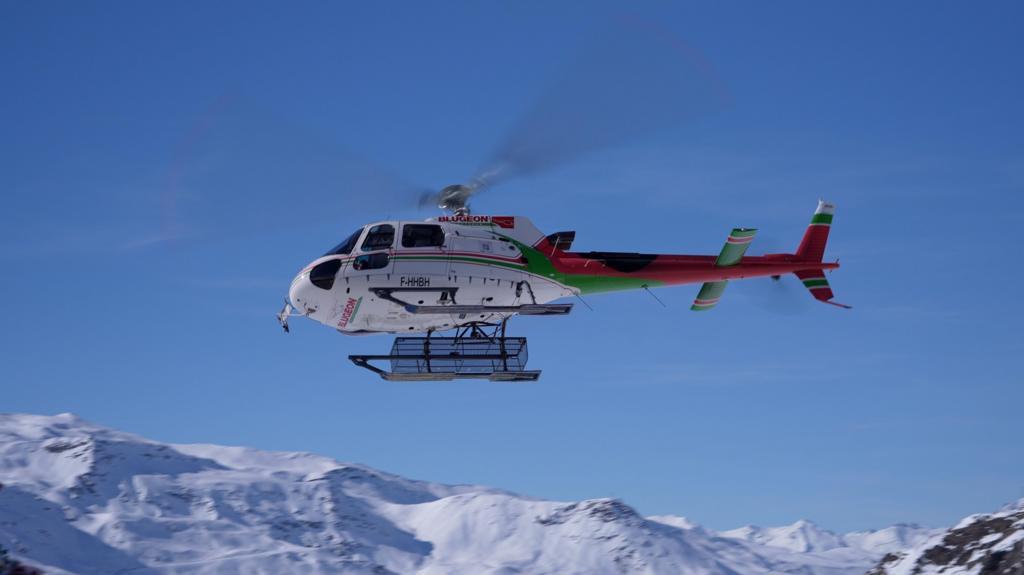
Mountain rescue organizations across the Alps have issued a stark warning following a concerning rise in avalanche fatalities during the current winter season. Experts point to a dangerous combination of unusual weather conditions and a significant increase in skiers and snowboarders venturing off-piste without the proper equipment, knowledge, or preparation. This situation has turned Europe's most famous mountain range into a setting of escalating risk, where a lack of respect for the mountains is having tragic consequences.
The context for this alert is a season with a particularly treacherous weather pattern. According to data from the Alpine Avalanche Service, unstable and persistent snow layers have been recorded due to repeated cycles of heavy snowfall followed by periods of warming and rain at mid-altitudes. This has created what experts call a widespread 'storm slab,' a weak layer of granular snow upon which newer, cohesive snow accumulates. Any overload, such as the weight of a skier, can fracture this weak layer and trigger a slab avalanche, which is responsible for most fatalities. Preliminary season statistics show an increase of approximately 20% in fatal avalanche incidents compared to the five-year average, with the majority of victims being off-piste enthusiasts.
Statements from rescue team leaders are blunt. 'We are seeing a perfect storm of factors,' stated Markus Müller, head of rescue for the Tyrol region in Austria. 'On one hand, we have exceptionally tricky and deceptive snow conditions. On the other, there is a massive influx of people, many of them new to winter sports post-pandemic, who underestimate the dangers of the mountains. They go out with basic rental gear, without a beacon, shovel, and probe, and without having checked the avalanche bulletin. It's not an adventure; it's Russian roulette.' This sentiment is echoed by rescue services in France, Switzerland, and Italy, who report more frequent and complex operations to recover trapped victims.
The impact of this trend is multifaceted. Firstly, it places an enormous burden on volunteer and professional rescue services, whose members risk their lives with every intervention. Secondly, it generates a devastating human cost for the families of the victims. Finally, it raises serious questions about mountain safety education and the responsibility of ski resorts and rental companies. Many experts advocate for more aggressive awareness campaigns and for making basic avalanche safety courses mandatory for anyone purchasing a lift pass that allows access to controlled off-piste areas.
The conclusion from rescuers is clear: the mountains have not changed their relentless nature, but the profile of those who challenge them has. As weather conditions remain unpredictable due to climate change, individual preparation becomes the most critical line of defense. The unanimous recommendation is categorical: never go off-piste without a complete safety kit (transceiver, shovel, and probe), without having received training on its use, and without meticulously consulting the local avalanche danger bulletin. The beauty of the Alps in winter is undeniable, but its enjoyment must always be preceded by respect and preparation—elements that, according to rescuers, are in dangerous decline.