In a significant ruling with broad implications for U.S. trade policy, the Court of International Trade (CIT) has ordered the U.S. Trade Representative's (USTR) office to process refunds for billions of dollars in tariffs paid by importers. The decision represents a direct legal setback for the policies of the Trump administration, which imposed these levies under Section 301 of the Trade Act of 1974, citing unfair trade practices by China. The court found that the government failed to follow proper administrative procedures when implementing and subsequently modifying the lists of products subject to these tariffs, constituting a violation of the procedural requirements established by law.
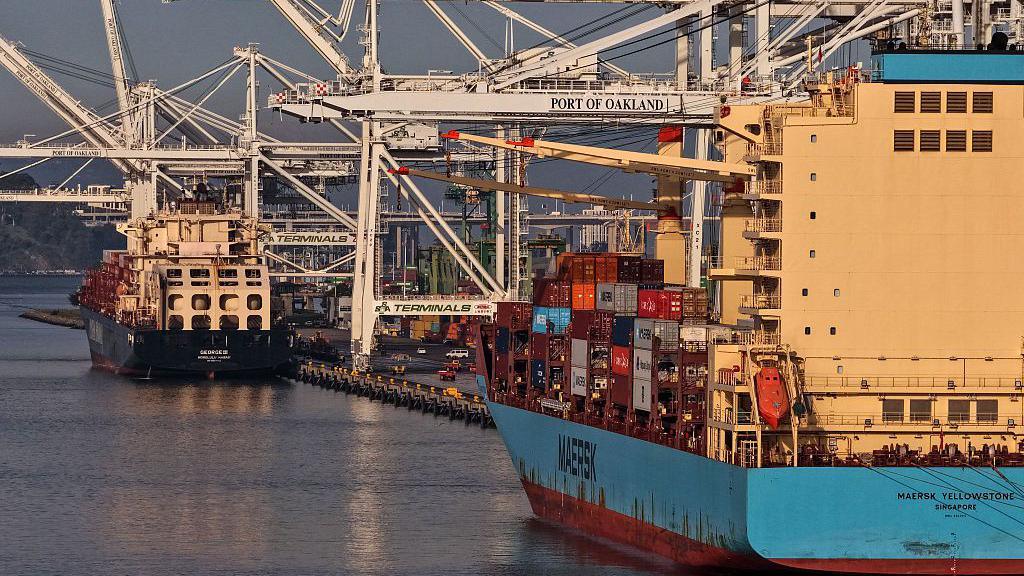
The context of this case dates back to 2018, when the Trump administration initiated a trade war with China, imposing punitive tariffs on approximately $370 billion in annual Chinese imports. These tariffs, ranging from 7.5% to 25%, were applied in several tranches to thousands of products, from electronic components and machinery to consumer goods. The legal justification relied on Section 301, a Cold War-era trade tool that allows the president to impose restrictions following a USTR investigation into foreign practices that 'are unjustifiable, unreasonable, or discriminatory and burden or restrict U.S. commerce.' However, importing companies, represented by groups like the Trade America Coalition, argued that the USTR arbitrarily modified the product lists without allowing the required public comment period and without adequate justification, particularly for the so-called 'Lists 3 and 4A' tariffs.
Relevant data indicates that tariffs collected under these lists amount to tens of billions of dollars. According to data from the U.S. Bureau of Economic Analysis and the U.S. Chamber of Commerce's Trade Policy Center, Section 301 tariffs have generated revenue exceeding $80 billion since their implementation. The CIT ruling could affect a significant portion of these funds, forcing the Treasury to process refunds for importers who paid tariffs on products on lists where the procedure was deficient. The decision does not overturn the tariffs in their entirety but orders the USTR to repeat the notification and comment process for the challenged lists, a procedure that could take months and, in practice, forces refunds while the procedural error is corrected.
Statements from the involved parties underscore the ruling's importance. A spokesperson for the Trade America Coalition stated: 'This decision reaffirms that neither the president nor the USTR is above the law. Procedural rules exist to ensure careful consideration of the impact of tariffs on American businesses and consumers.' On the other hand, a USTR spokesperson indicated that the office 'is reviewing the ruling and evaluating next steps,' leaving open the possibility of an appeal to the Court of Appeals for the Federal Circuit. Legal analysts, such as Jennifer Hillman, a former CIT commissioner and professor at Georgetown University, noted that 'the ruling is a reminder that even in matters of national security and foreign policy, executive agencies must follow the procedures set by Congress.'
The impact of this decision is multifaceted. First, it provides immediate financial relief to thousands of U.S. importers, from small businesses to large corporations, which have been paying these tariffs and, in many cases, passing the cost on to consumers. Second, it sets a legal precedent that could limit executive discretion in future trade actions, not only against China but also with other trading partners. Third, it adds complexity to the trade policy of the Biden administration, which has largely maintained the Trump-era tariffs while evaluating its strategy toward China. The ruling could pressure the White House to review or even eliminate some of these levies, especially in a context of high inflation and supply chain pressures.
In conclusion, the Court of International Trade's order to process tariff refunds marks a turning point in the legal battle over executive trade powers. While it does not resolve the broader debate on the effectiveness of tariffs as a geopolitical tool, it reinforces the importance of the rule of law in trade policy. The case underscores that administrative procedures, often overlooked, are fundamental to ensuring the legitimacy and fairness of government actions. As the USTR evaluates its response, the final outcome could reshape the landscape of U.S.-China trade relations and define the limits of presidential power in international trade for years to come.