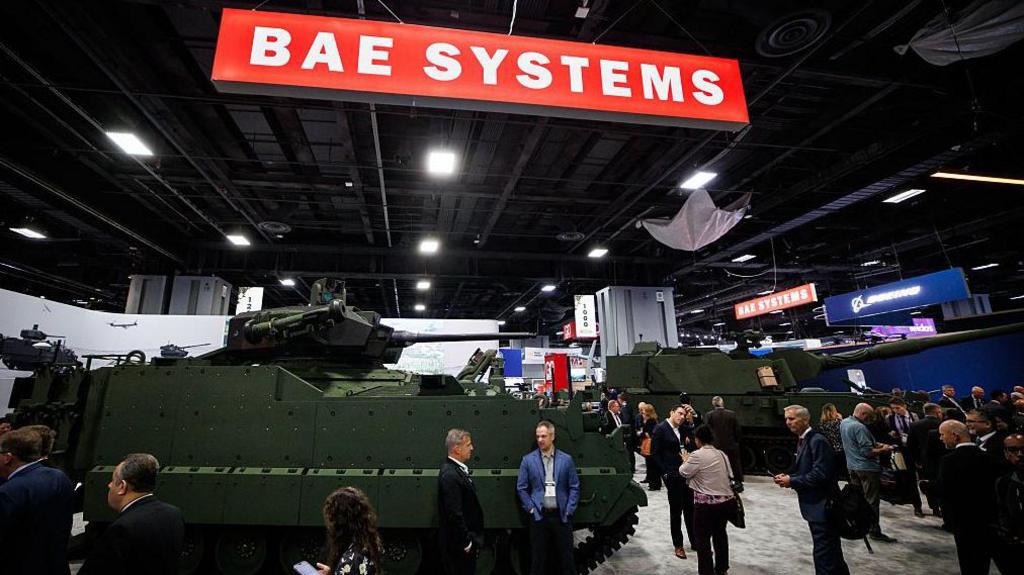
Defence and aerospace giant BAE Systems today announced a historic rise in its annual sales, surpassing all market expectations against a backdrop of rising global military spending. However, this financial success is overshadowed by a prolonged strike by thousands of its workers at key UK sites, who are demanding pay improvements that, they argue, should reflect the company's massive success and the rising cost of living. The situation presents a classic industry paradox: a company thriving on geopolitical instability while its workforce feels left out of the generated profits.
The context for these exceptional results is undeniable. The conflict in Ukraine, tensions in the Indo-Pacific, and a broad reassessment of defence postures across Europe and beyond have driven a wave of government orders. BAE, as one of the world's largest defence contractors, has directly benefited from this trend. Its electronic systems, maritime platforms (including nuclear submarine programs), and air sectors (with the F-35 fighter jet program) have seen unprecedented business volumes. Analysts note that the company's order backlog, exceeding £60 billion, guarantees stable production and revenue for years, regardless of economic cycles.
"Our performance reflects the sustained demand for our leading capabilities in an increasingly uncertain world," stated Charles Woodburn, Chief Executive of BAE Systems, in a release. "We're investing heavily in our people, our facilities, and in next-generation technologies to meet our commitments to customers and maintain our technology edge." However, these words contrast sharply with those from union representatives. A spokesperson for the Unite union stated: "While management and shareholders rub their hands with these record profits, our members, who are the ones actually building these critical defence systems, are struggling to make ends meet. The company can and must do more. This strike is about basic fairness."
The strike, affecting sites such as the Govan and Scotstoun shipyards in Scotland and factories in Lancashire, England, began after workers rejected a pay offer they deemed well below inflation. The disruption has caused delays in high-profile programs, like the construction of Type 26 frigates for the Royal Navy, raising concerns within the UK Ministry of Defence about meeting delivery timelines. The impact extends beyond immediate production; it raises questions about the long-term sustainability of a business model reliant on a highly skilled and motivated workforce that appears to be alienating a portion of itself.
This tension between exceptional financial performance and labour discord is not unique to BAE, but its scale makes it particularly significant. It symbolizes a broader debate about wealth distribution in strategic industries that operate on substantial public funds. Governments, as the primary customer, are under pressure to ensure their massive investments in national defence also translate into quality jobs and industrial stability in their home countries. The conclusion is clear: BAE Systems' success in the current geopolitical landscape is undeniable and likely to continue. However, to turn this momentous success into a lasting strategic advantage, the company must resolve the internal crisis with its workforce. The path to national security, it seems, must be paved not only with multi-billion-pound contracts but also with a fair and productive labour relationship.