The BBC's Middle East editor, Jeremy Bowen, has described the current juncture in the region as "a dangerous moment," but notes that both the United States and Israel perceive a window of strategic opportunity they consider unmissable. This assessment arises amid a complex reconfiguration of alliances, diplomatic advances with traditionally hostile Arab actors, and the persistent threat from Iran, creating a landscape where risk and reward are inextricably linked. The US administration, according to sources close to the deliberations, believes the balance of power is tilting in a way that allows for decisive actions to reshape long-term regional security, despite the clear potential for escalation.
The immediate context is marked by the fragile yet significant advances of the Abraham Accords, which normalized relations between Israel and several Arab states, and by a shared perception in Washington and Jerusalem that the posture of the Islamic Republic of Iran represents an existential and unifying threat. "It's a high-risk calculus," explained a senior Western official on condition of anonymity. "We see vulnerabilities in the Iran-backed axis, war fatigue on some fronts, and a reluctant willingness among certain Arab actors to cooperate more tangibly against a common threat. Ignoring this convergence would be a strategic mistake." This perspective suggests a calculation that the odds of a forceful, unified regional response to bolder actions are lower now than at any point in the past decade.
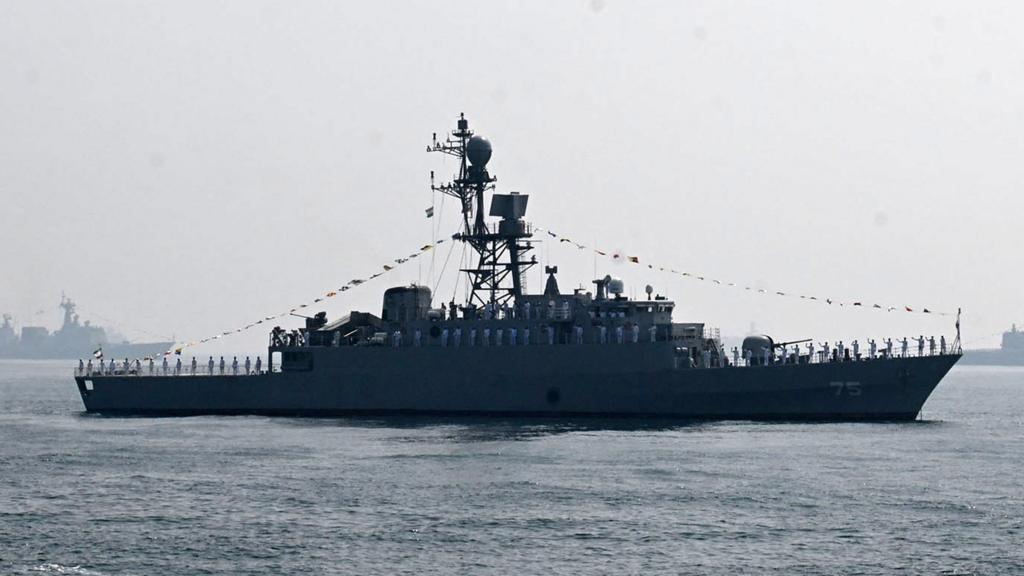
Relevant data points to intensified military and diplomatic activity. There have been numerous airstrikes attributed to Israel against Iranian or Iran-linked targets in Syria, alongside a campaign of sabotage and cyberattacks against Iran's nuclear program. In parallel, US diplomacy has worked at a rapid pace to consolidate an integrated air defense front between Gulf allies and Israel. A recent report by the International Institute for Strategic Studies (IISS) warns the region is at its most flammable point since 2020 but also highlights the "profound strategic reorientation" of powers like Saudi Arabia and the United Arab Emirates, whose focus has shifted from the Palestinian cause to containing Iran and economic security.
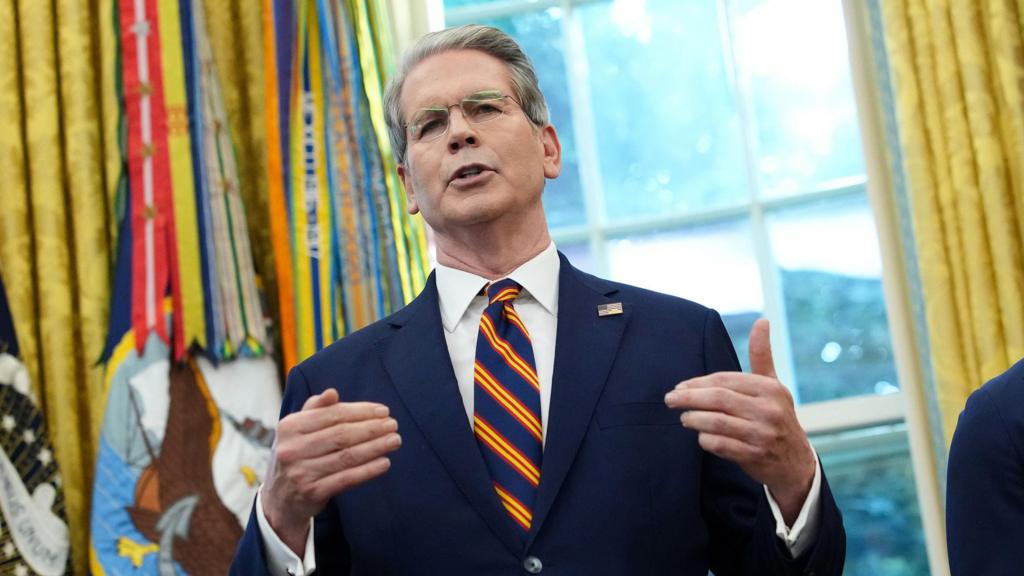
Statements from key figures reflect this duality. Israeli Prime Minister Benjamin Netanyahu stated recently: "We are at a historic crossroads. Inaction carries a greater danger than decisive action." On the American side, while the public tone is cautious, State Department officials have indicated in briefings that "the status quo is unsustainable" and that "time is running out for a diplomatic solution" regarding Iran's nuclear program. An analyst at the Council on Foreign Relations commented: "What we are witnessing is not a reckless rush to war, but a cold assessment that tactical conditions are optimal for carrying out operations that, in another context, would trigger a generalized war. It is a calculated gamble on deterrence and the fragmentation of the adversary's response."
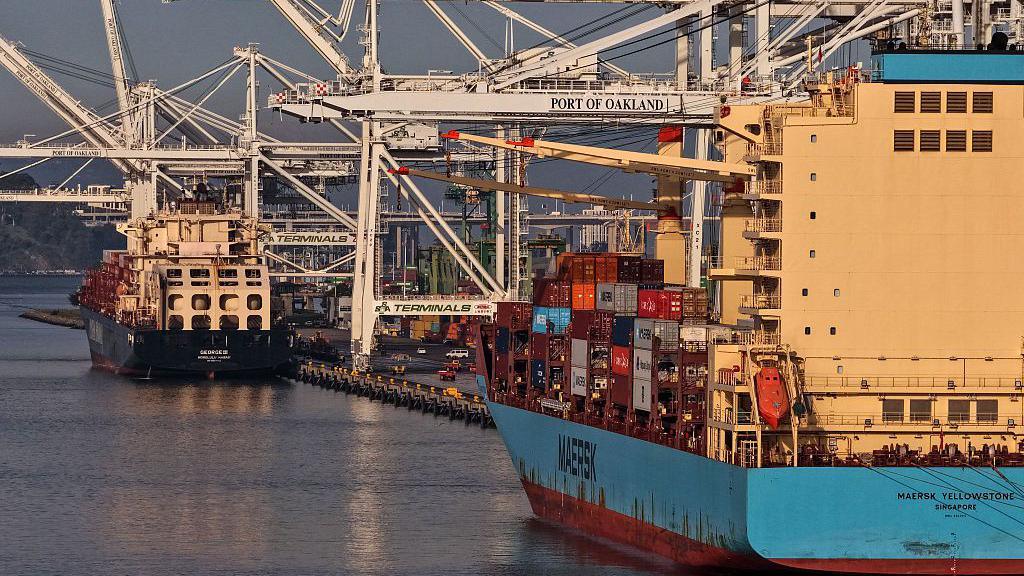
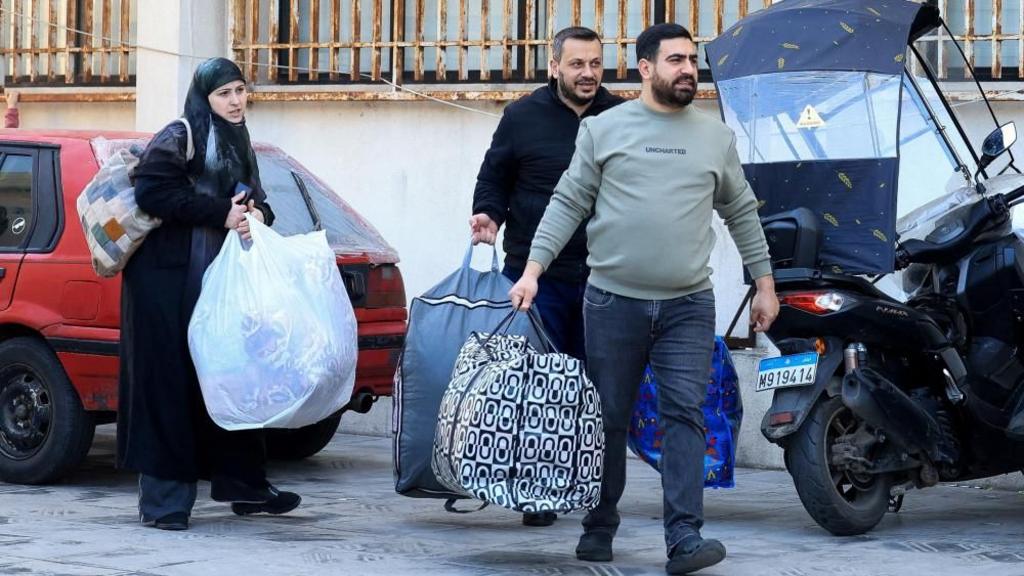
The impact of this strategy is already palpable and multifaceted. Regionally, it has increased tension in vital maritime routes like the Strait of Hormuz and led to a proliferation of proxy attacks through militias in Iraq, Syria, and Yemen. For civilian populations, especially in Gaza, Lebanon, and Syria, it translates into constant precarity and fear of open conflict. Globally, it threatens to destabilize energy markets at a time of post-pandemic economic fragility and strain from the war in Ukraine, testing the powers' ability to manage simultaneous crises. Furthermore, it further erodes the already weakened framework of the Iran nuclear deal (JCPOA), making its revitalization nearly impossible.
In conclusion, the current phase in the Middle East, characterized by Bowen as dangerous yet ripe with opportunity, represents a critical inflection point. The US-Israel alliance is operating under the conviction that the strategic landscape, however volatile, offers a rare window to inflict lasting setbacks on Iran and consolidate a new, allied security architecture. However, this gamble is predicated on the presumption that adversaries are too divided or weakened to mount a catastrophic response. The danger lies in the fact that a miscalculation, an incident with mass casualties, or an unforeseen escalation could rapidly turn this "opportunity" into a broad-spectrum regional conflict, with unpredictable consequences for global stability. The international community watches with apprehension, aware that decisions made in Washington and Jerusalem in the coming months could define the region's fate for a generation.