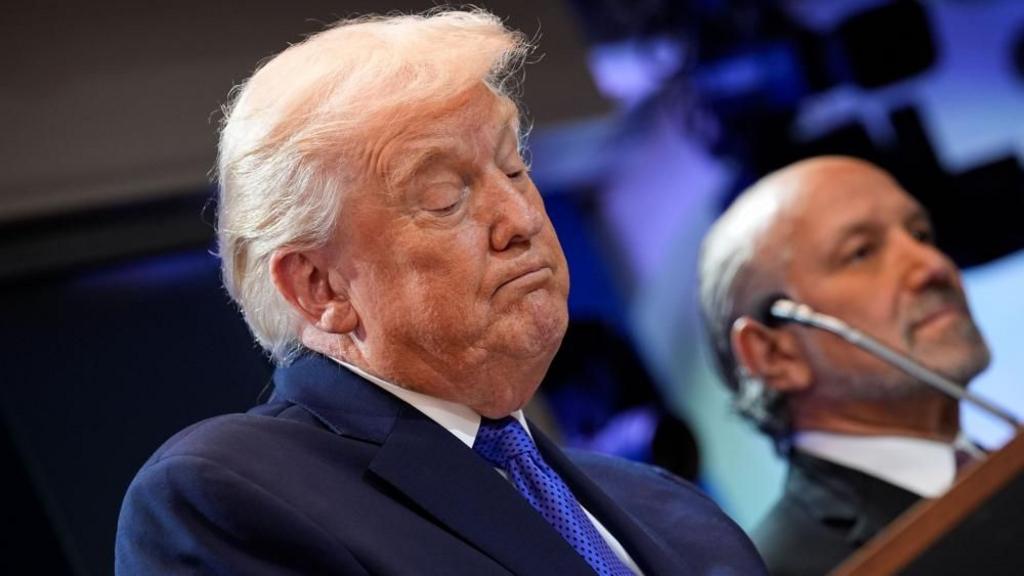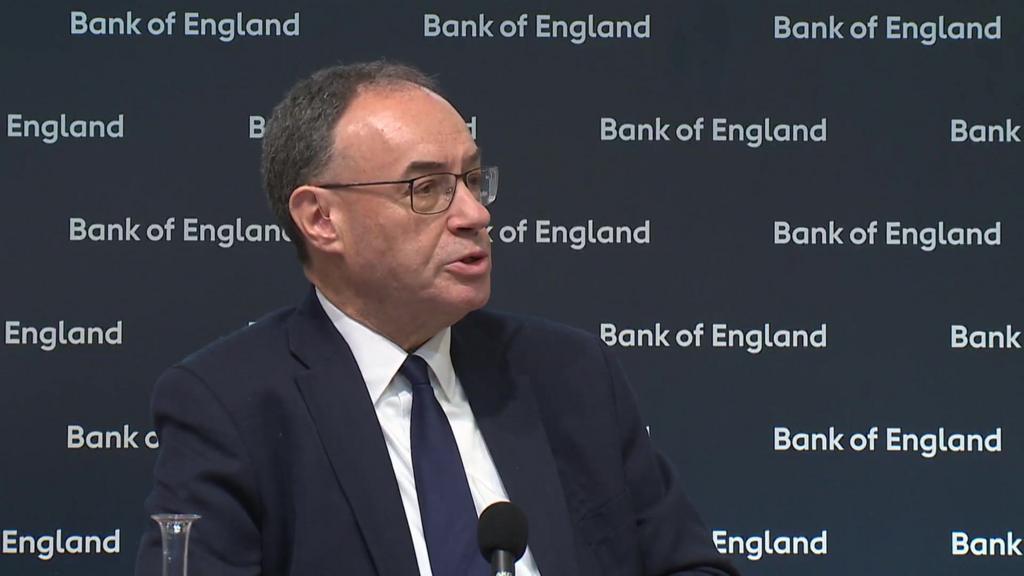
Bank of England Governor Andrew Bailey has publicly expressed his profound dismay following the revelation of a series of email exchanges between former British minister Peter Mandelson and convicted American financier Jeffrey Epstein during the peak of the 2008 global financial crisis. These communications, recently uncovered as part of a broader journalistic investigation, have cast a new and disturbing light on the interaction between high-level political figures and an individual accused of serious sex crimes, at a time of extreme vulnerability for the world economy. Bailey's criticism focuses not only on the nature of the connection but on the historical moment it occurred, raising serious questions about circles of influence and decision-making during one of the greatest economic upheavals in recent history.
The context of these emails is crucial to understanding their impact. The 2008 financial crisis, triggered by the collapse of Lehman Brothers, brought the global banking system to the brink. In the United Kingdom, Gordon Brown's government and the Bank of England, then under Mervyn King's leadership, were working against the clock to prevent a total collapse, nationalizing banks and injecting hundreds of billions of pounds in liquidity. Peter Mandelson, a central figure in the Labour Party and at the time Secretary of State for Business, Innovation and Skills, was a key player in the government's response. The revelation that he corresponded with Jeffrey Epstein, who by 2008 was already a convicted criminal for soliciting prostitution from a minor, introduces a discordant and morally questionable element into the official narrative of that crisis.
Specific details of the email content have not been fully disclosed, but sources close to the investigation indicate they ranged from general discussions about the economic climate to potential meetings. Andrew Bailey, the current Governor who in 2008 was a senior Bank executive in charge of financial stability, told a parliamentary committee: 'I confess I have been shocked to see this correspondence. At a time when all institutional energies, from the Treasury, the Bank of England, and the Financial Services Authority, were focused on averting a systemic disaster, it is deeply disturbing to learn that a senior member of the government was engaged in this kind of dialogue.' Bailey emphasized that his dismay lies in the 'clear lack of judgment' and the reputational risk such an association posed, even if the topics discussed were purely economic.
The impact of these revelations is multifaceted. Firstly, it further damages the already eroded reputation of the political class and financial elites, fueling the public narrative that opaque networks of power and influence operate above ethical scrutiny. Secondly, it reopens the debate about the extent of Jeffrey Epstein's influence network, which after his death in 2019 continues to reveal connections with prominent figures in politics, academia, and finance on both sides of the Atlantic. For Peter Mandelson, this represents another controversial chapter in an already contentious career, forcing him to issue a statement claiming that 'any communication with Epstein was sporadic, focused on economic matters, and occurred before the full extent and gravity of his crimes were known.' However, this defense is met with skepticism by many, given that Epstein's conviction for soliciting prostitution from a minor was public knowledge since 2008.
Experts in governance and public ethics have underscored the importance of this case. Dr. Sarah Berman, a Politics professor at the University of London, commented: 'This is not just about a personal error of judgment. At the heart of the crisis, public trust in institutions was the most fragile asset. Any action suggesting that decision-makers were distracted or associated with individuals of such questionable morality undermines the legitimacy of the rescue measures, which, after all, were paid for with taxpayers' money.' The inevitable conclusion is that these revelations serve as a grim reminder that crises test not only the robustness of economic systems but also the integrity of the people who manage them. Governor Bailey's 'shock' reflects a worrying gap between the perception of public duty and the reality of private associations in the corridors of power, a lesson that continues to resonate in today's political landscape.