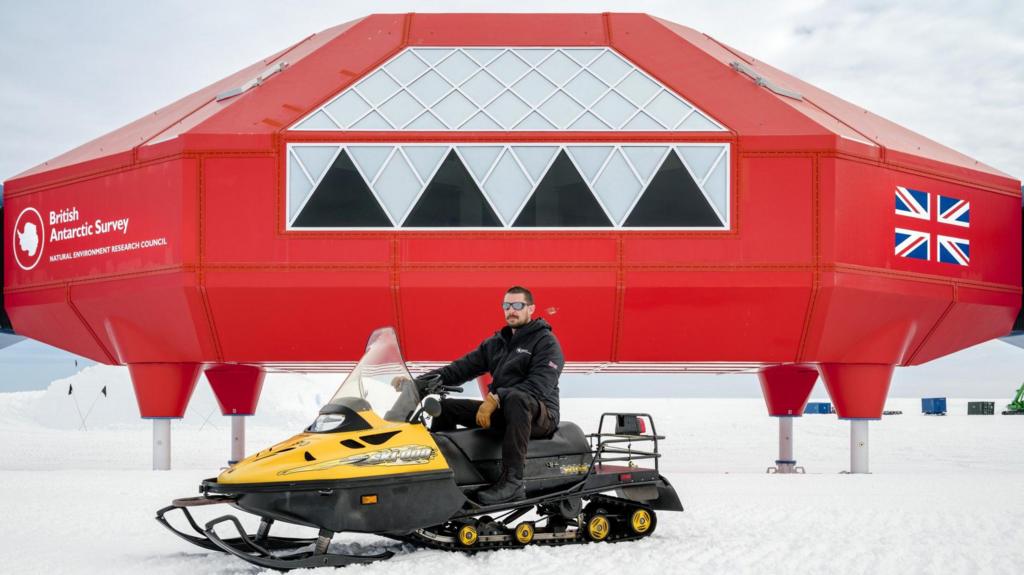
Antarctica, the planet's southernmost and most remote continent, represents one of the most extreme living and working environments a human can encounter. It is not merely a job; it is a life experience that tests physical and psychological limits to the core. Each year, a select number of scientists, support technicians, chefs, doctors, and logistics personnel embark on a unique adventure, leaving behind the comfort of the known world to face months of isolation, temperatures that can plunge to -80°C, and polar nights lasting for weeks. The crucial question is: what kind of person not only survives but thrives under such conditions?
The selection process for working at research stations like the American McMurdo, the Russian Vostok, or the British Halley is intensely rigorous. National agencies, such as the British Antarctic Survey (BAS) or the United States Antarctic Program (USAP), seek candidates with a unique blend of solid technical skills and exceptional mental resilience. "It's not for everyone," states a veteran of several campaigns. "Here, your attitude is as important as your resume. You must be able to work in a team in confined spaces, handle the stress of remoteness, and remain calm when conditions turn adverse." The ability to solve problems autonomously is vital, as logistics for receiving spare parts or specialized assistance can take months.
Life in Antarctica is governed by a strict routine and a profound sense of community. With populations ranging from 50 in winter to over 1,000 in summer at the largest bases, social dynamics are intense. There is no escape. Personal conflicts are magnified, making tolerance, patience, and a good sense of humor essential currencies. Facilities, though modern, are spartan. Internet access is limited and expensive, and communication with the outside world often suffers delays. Workers must be prepared for the physical absence of family and friends for periods that can stretch from 6 to 18 months.
From a professional standpoint, the rewards are immense. Scientists have access to pristine data on climate change, glaciology, or astronomy in a natural laboratory without equal. Support staff are the backbone that keeps these isolated communities operational, performing tasks ranging from generator maintenance to preparing meals for the entire team. The impact of this experience is transformative. Many describe a deep connection with the awe-inspiring landscape and a renewed appreciation for simple things. However, the return to "civilization" can be a challenge in itself, a process known as "reverse culture shock" when readjusting to a world of constant stimuli and overwhelming choices.
In conclusion, living and working in Antarctica is a calling for a very specific profile: highly skilled, mentally robust, socially adaptable individuals with a genuine spirit of adventure. It is not an escape from the world but a deep immersion into one of its last frontiers, where individual contribution is crucial for collective survival and the advancement of global science. Those who pass the test often consider this experience the most defining of their lives, forging unbreakable bonds and a unique perspective on the planet and our place within it.