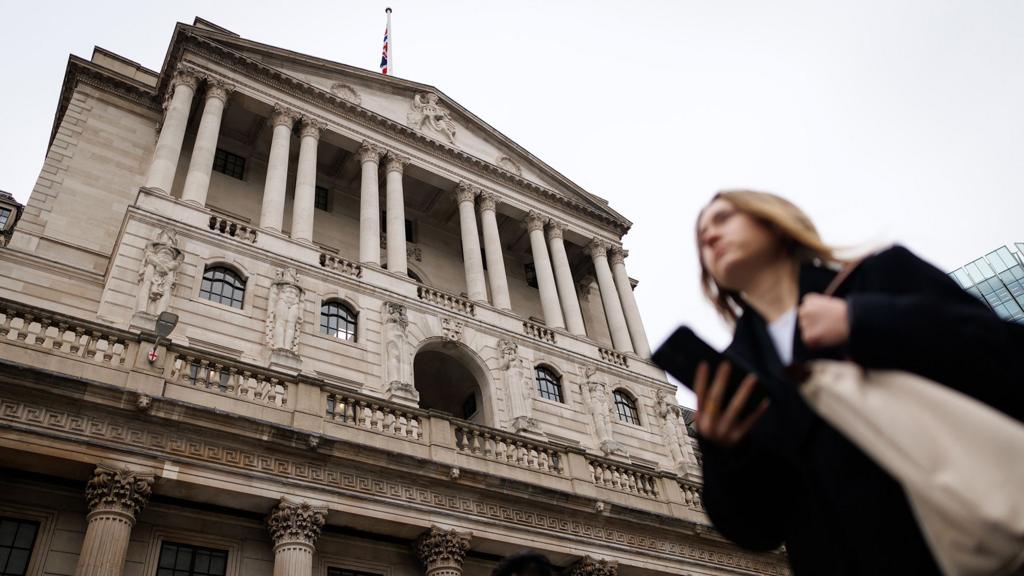
The Bank of England's Monetary Policy Committee (MPC) has voted to hold the Bank Rate steady at 3.75%, pausing the aggressive tightening cycle that has defined UK monetary policy since late 2021. In a significant shift in forward guidance, however, the central bank has explicitly opened the door to potential interest rate cuts later this year, citing receding inflation and an economy showing signs of weakening. The decision, reached by an 8-1 vote, reflects the delicate balancing act the institution is attempting to perform between taming persistent inflation and avoiding choking off already fragile economic growth.
The backdrop to this decision is complex. UK inflation, as measured by the Consumer Prices Index (CPI), has fallen from its double-digit peak but remains stubbornly above the Bank's 2% target. Energy and food price increases have moderated, yet wage pressures and service sector prices remain elevated, keeping concerns about embedded inflation alive. Concurrently, economic indicators paint a mixed picture: the labour market is showing some signs of loosening, household consumption is weak, and business activity surveys suggest stagnation. The UK economy entered a technical recession in late 2023, and its recovery is projected to be sluggish.
In its statement and subsequent press conference, Bank of England Governor Andrew Bailey struck a more optimistic tone on the inflation path. "We have seen substantial progress in bringing inflation down," Bailey stated. "The downside risks to the medium-term inflation outlook have increased. If the economy evolves in line with our latest projections, an adjustment of monetary policy is likely to be necessary over the coming quarters." This statement constitutes the clearest guidance to date on a potential policy pivot. The MPC vote revealed that the majority of members preferred to hold the current stance to assess more data, while one member, Swati Dhingra, voted for an immediate 25 basis point cut, arguing the risk of overly restrictive policy.
The impact of this decision and its future implications are far-reaching. For households with variable-rate mortgages or those about to refinance, the message offers a glimmer of hope that the burden of monthly payments could begin to ease towards the end of 2024. Financial markets reacted by pricing in lower future interest rates, leading to a slight fall in government bond yields and a moderate depreciation of the pound sterling against the dollar and euro. For the government, a potential easing cycle would provide some fiscal headroom and relieve pressure on public spending.
However, the Bank was careful to stress that the fight against inflation is not over. Its statement reiterated that monetary policy "will need to remain restrictive for sufficiently long" to ensure inflation returns sustainably to the 2% target. The path to normalising rates will be slow and data-dependent. Forthcoming reports on inflation, wage growth, and economic activity will be crucial in determining the timing and pace of any cuts. In conclusion, the Bank of England's decision marks a psychological inflection point, shifting from an unequivocal focus on battling inflation to one that begins to weigh growth risks. While the messaging is more dovish, the institution is keeping all options on the table, gearing up for a year of delicate transition in UK monetary policy.