New court revelations have brought to light a last-ditch effort by financier Jeffrey Epstein to acquire a luxurious property abroad, just days before U.S. authorities arrested him on sex trafficking charges. According to documents filed in a New York court, Epstein, through his lawyers, initiated negotiations to purchase a palace in Marrakech, Morocco, in June 2019. This move, which prosecutors describe as a potential attempt to establish a base beyond the reach of American justice, adds a new layer of intrigue to the controversial magnate's final days of freedom.
The context of this operation is crucial. By June 2019, Epstein was already a notorious figure, having served a controversial reduced sentence for sex crimes in 2008. Journalistic investigations and civil lawsuits had kept his name in the public eye. However, the federal investigation that would lead to his second arrest on July 6, 2019, was unfolding in secret. The documents indicate that discussions about the Moroccan property, valued at several million dollars, took place between June 24 and July 2. Epstein's lawyers contacted an intermediary to express their client's "serious interest" in the estate, requesting floor plans and transaction details.
Federal prosecutors have argued that this attempted purchase reinforces their theory that Epstein posed an extreme "flight risk." They note that Morocco lacks an extradition treaty with the United States for certain crimes, which could have made the country a safe haven. "The defendant's actions in the weeks leading up to his arrest, including this effort to acquire substantial property in a country without a fully enforceable extradition treaty, demonstrate a clear awareness of guilt and an intention to evade justice," reads a prosecution filing. This point was central to the denial of bail before his death in jail.
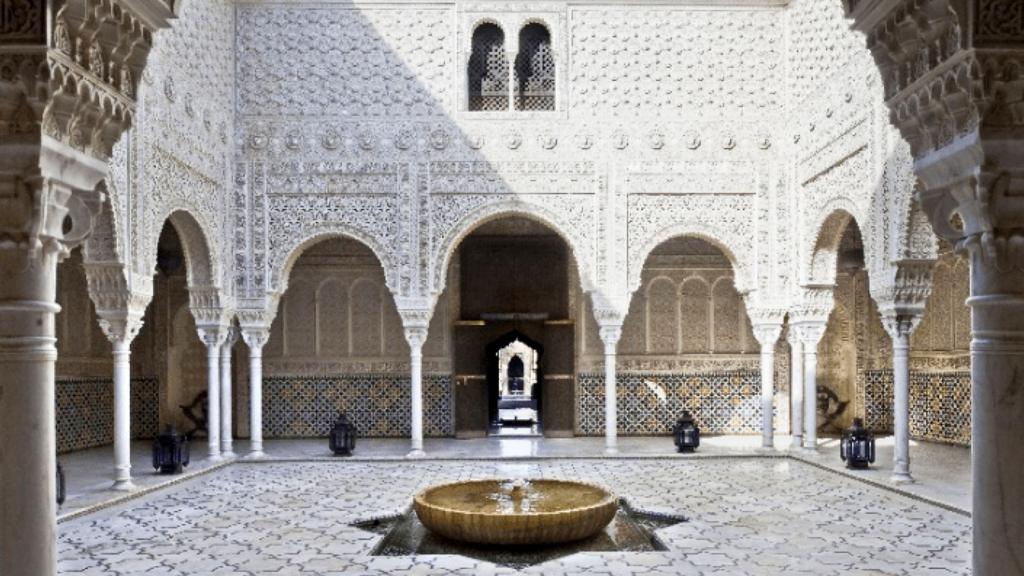
The property in question, according to descriptions, is a traditional Moroccan palace (riad) in the Marrakech Medina, with interior courtyards, fountains, and ornate decoration characteristic of local architecture. Such properties are known for their discretion and security, often hidden behind high walls. For investigators, the choice of such a specific and remote location, compared to his known assets in New York, Florida, or his private island, suggests deliberate planning. It is unclear whether a down payment was made or if the sale was near completion, but the mere initiation of the process is what has alarmed authorities.
The impact of this revelation is multifaceted. First, it fuels theories about Epstein's international network and his possible search for sanctuaries in complex jurisdictions. Second, it influences ongoing legal proceedings related to his estate and the lawsuits filed by his victims, as any asset acquired or attempted to be acquired could be subject to scrutiny. Finally, it reinforces the narrative that Epstein, despite his apparent public life, operated with a high degree of foresight to protect his interests and possibly evade legal consequences.
In conclusion, the attempted purchase of the Moroccan palace emerges as a critical episode that encapsulates Jeffrey Epstein's final efforts to maintain control and impunity. It illustrates the disconnect between his life of extreme luxury and the serious charges he faced, while underscoring the prosecution's fears about his intent to flee. This finding not only enriches the dark mosaic of his final activities but also raises persistent questions about the extent of his planning and the networks he may have used or intended to use to escape accountability in the United States.