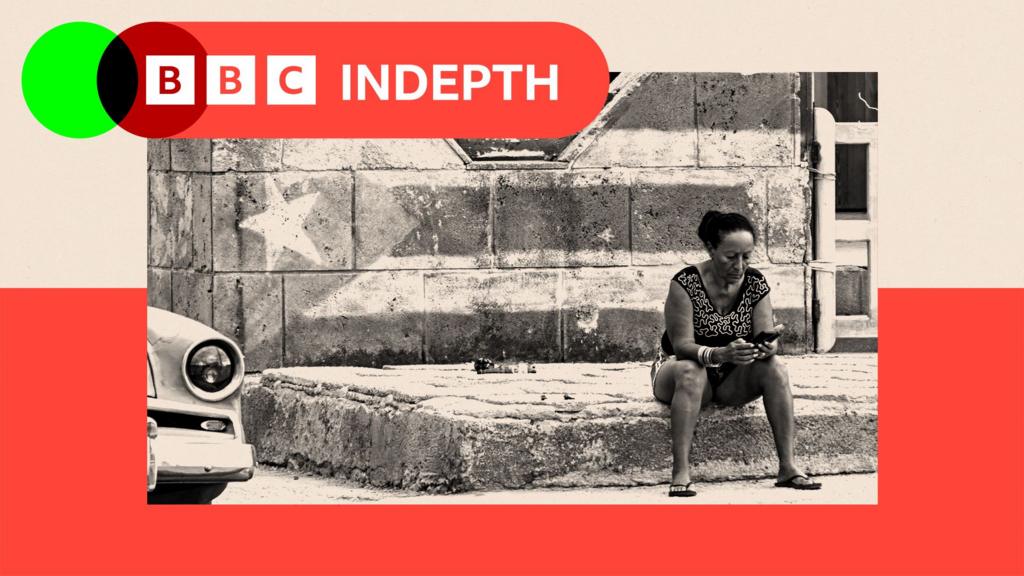
The island of Cuba, a historic symbol of political resistance in the Caribbean, is facing one of the deepest crises in its recent history. A lethal combination of widespread power blackouts, severe shortages of food and medicine, and a contracting economy has led the socialist government to request international emergency aid—a move many analysts interpret as a tacit recognition of the gravity of the situation. This multifaceted crisis is not an isolated event but the culmination of years of external economic sanctions, inefficient internal management, and the lingering effects of the COVID-19 pandemic, which devastated the vital tourism sector. The result is a landscape where the patience of the historically resilient population is being tested like never before in recent decades.
The collapse of the national power grid has become the most visible and disruptive symptom of the crisis. Cubans face power cuts lasting up to 18 hours a day in some provinces, paralyzing homes, hospitals, and already fragile economic activity. The aging energy infrastructure, dependent on obsolete thermoelectric plants and imported fuel, has succumbed to a lack of maintenance and spare parts, exacerbated by U.S. sanctions that complicate imports. The government has blamed 'acts of sabotage' and the U.S. economic blockade, but independent experts point to decades of insufficient investment and failed central planning as key factors. These blackouts are not just an inconvenience; they represent a direct threat to public health, with hospitals struggling to keep vital equipment and refrigeration-dependent medicines running.
Concurrently, shortages of basic goods have reached critical levels. The shelves of state stores, already sparse, now show an almost total absence of essential items. The ration book, a pillar of the socialist distribution system, cannot cover the minimum needs of families. Long lines to buy chicken, eggs, or cooking oil have become normal, and a flourishing black market offers products at prices unattainable for the average Cuban, whose monthly salary rarely exceeds the equivalent of $50. 'We are living day to day, not knowing if there will be bread tomorrow or if we will have electricity to cook the little we manage to get,' declared María López, a schoolteacher in Havana, who asked not to use her real name for fear of reprisals. This situation has significantly eroded confidence in the state's ability to provide the most basic necessities, a fundamental principle of the revolutionary social contract.
The response of the government, led by President Miguel Díaz-Canel, has been dual: appealing to revolutionary unity and resistance while desperately seeking external relief. Recently, Cuba formally requested aid from the United Nations World Food Programme, an extraordinary step that underscores the urgency. Simultaneously, it has intensified its rhetoric, blaming the 'genocidal blockade' by the United States for all ills and calling on the people to defend the Revolution. However, this narrative finds an increasingly skeptical audience, especially among young people who did not experience the early achievements of the Revolution and only know scarcity and restrictions. Spontaneous protests, though quickly dispersed, have erupted in localities like Santiago de Cuba, signaling social unrest that could grow if there are no tangible improvements.
The impact of this crisis transcends the island's borders. Prolonged instability in Cuba could trigger a new wave of migration to the United States, further complicating the Biden administration's immigration policy. Moreover, it calls into question the viability of the Cuban-style socialist economic model in a globalized world under constant external pressure. For Cuba's traditional allies, such as Venezuela and Russia, whose own capacity to provide support is limited by their internal crises and international sanctions, the situation represents a strategic challenge. The current crisis is, therefore, an existential crossroads. It is not simply about overcoming an economic recession but about demonstrating whether the political system that has ruled the island for over six decades can adapt and deliver solutions to its citizens, or whether the accumulated discontent will finally reach a breaking point. The future of the Cuban Revolution hangs in the balance, teetering between the need for pragmatic reforms and adherence to an ideology that defines its national identity.