The Chinese government has set a Gross Domestic Product (GDP) growth target of around 5% for 2024, marking its lowest goal in over three decades. This announcement, made during the opening of the annual session of the National People's Congress (NPC), reflects a strategic recalibration in the face of a complex international landscape and internal structural challenges. The figure, which sits below most projections by international analysts, sends a clear signal that authorities are prioritizing stability and quality of growth over expansion at all costs, a paradigm that has defined the Asian giant's economy for decades.
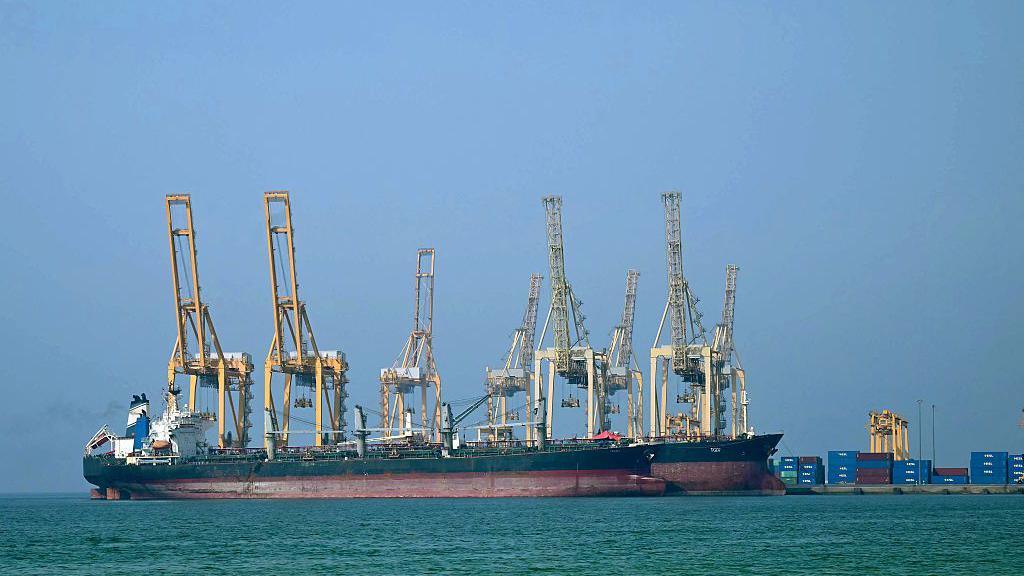
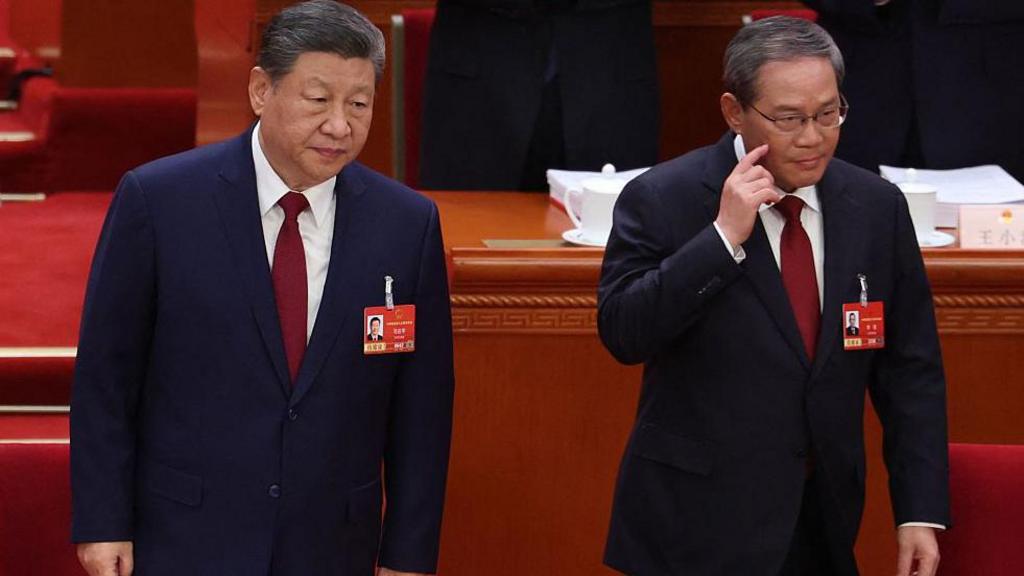
The context for this decision is multifaceted. The Chinese economy faces significant headwinds: a prolonged property crisis that has affected sector giants like Evergrande and Country Garden, weak external demand due to the global slowdown, high levels of subnational debt, and demographic pressures from an aging and shrinking population. Furthermore, geopolitical tensions, particularly with the United States and its allies, have spurred technological restrictions and a reconfiguration of global supply chains, impacting key sectors. Premier Li Qiang, presenting the government work report, underscored the need to "seek progress while maintaining stability," promising a focus on the "transformation and modernization" of the growth model.
Data supports the caution. In 2023, China achieved growth of 5.2%, exceeding its own target, but that performance was compared to a low base in 2022, affected by strict zero-COVID policies. For 2024, without that rebound effect, maintaining a similar pace appears more challenging. The 5% target aligns with the Chinese Communist Party's long-term projections, which aim to double the size of the economy by 2035, requiring an average annual growth of approximately 4.7%. However, it represents a notable departure from the double-digit rates that were common in the first decade of the 21st century.
In his statements, Premier Li emphasized "scientific and technological innovation" as the new main engine of growth, alongside boosting domestic consumption to reduce reliance on investment and exports. "We will promote high-quality development," he stated. "We will stabilize employment, improve social welfare, and prevent systemic risks." No major fiscal stimulus packages were announced, suggesting policy tools will be more targeted and specific, possibly directed towards sectors like advanced manufacturing, artificial intelligence, and the green transition. The job creation target was maintained at 12 million new urban positions, and the urban unemployment rate is projected around 5.5%.
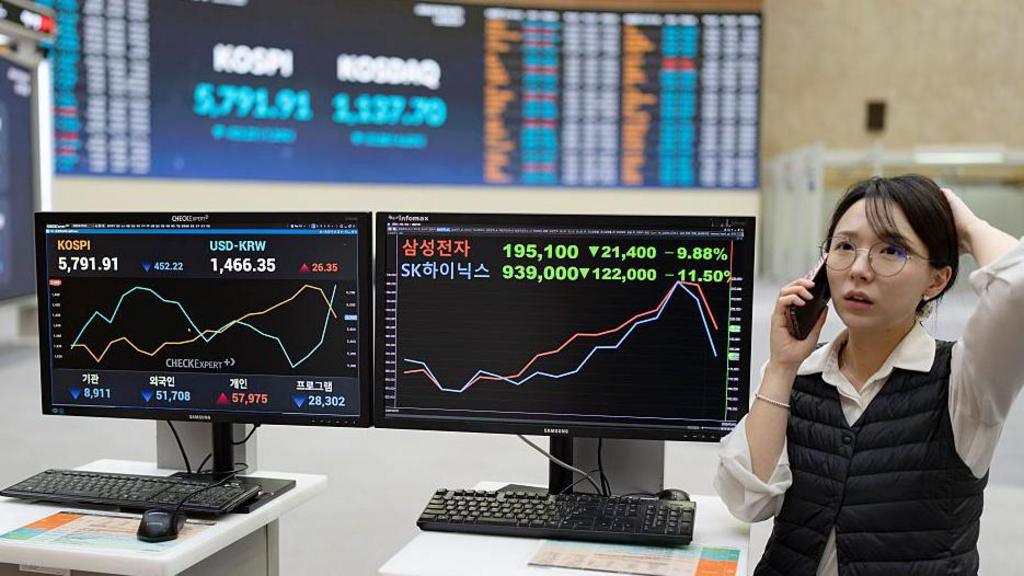
The impact of this moderate target is significant globally. China is the largest engine of global growth, and a more pronounced slowdown than expected could depress demand for commodities, affect exporting economies, and generate volatility in financial markets. However, slower but more sustainable and balanced growth could be beneficial in the long term, reducing imbalances and financial risks. For multinational companies, it reinforces the need to adapt their strategies to a Chinese market where mid-to-high-end consumption and innovation will gain prominence over massive infrastructure investment.
In conclusion, the 5% growth target for 2024 is a symbolic milestone marking the end of an era of hyper-accelerated expansion in China. It is a pragmatic admission of current constraints and a strategic bet on a more mature development model, albeit with inherent risks, such as a potential rise in youth unemployment or persistent deflation. The success of this transition will not only determine China's economic and social future but will also have profound repercussions on the global economy in the next decade. The world will watch closely to see if Beijing can navigate this delicate balance between stability, reform, and growth.