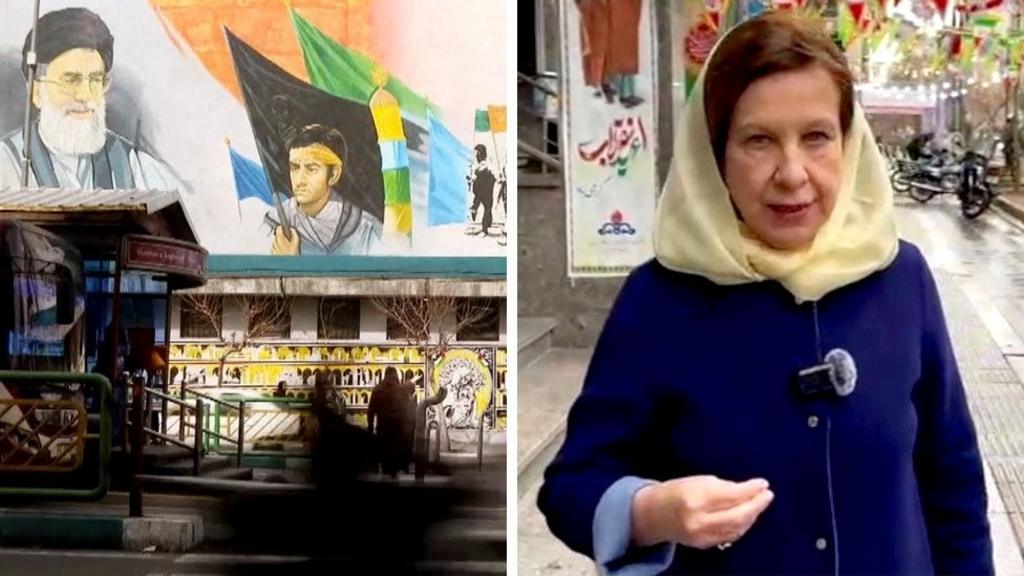
In a move that marks a potential turning point in the relationship between international media and the Islamic Republic, a BBC news team has entered Iran and is reporting from Tehran for the first time since the violent crackdown on the mass protests of 2022. The physical presence of the British broadcaster's journalists on Iranian soil suggests a possible thaw in the deeply strained relations, which had led Iran to aggressively ban and block access to and dissemination of BBC Farsi content for years, especially following coverage of the Mahsa Amini protests. BBC journalist Rana Rahimpour confirmed her arrival in the Iranian capital via social media, immediately sparking intense debate about the conditions of this return and its significance for press freedom in the country.
The context for this return is complex and fraught with history. The BBC Persian Service, a mainstay of information for millions of Iranians inside and outside the country, has been a constant target of the Iranian government, which accuses it of being a tool of Western propaganda and fomenting "sedition." During the 2022 protests, its coverage was crucial in bringing images of the crackdown to the world, but it also intensified the harassment campaign against its journalists and their families in Iran, including arrests, asset freezes, and threats. The ban on operating within the country has been absolute during this period. Therefore, the current presence of a team raises fundamental questions: Is this a gesture of controlled openness by the new authorities following the death of President Ebrahim Raisi? Or is it a tactical maneuver to project an image of normality to the international community at a time of economic and diplomatic pressure?
Thus far, neither the Iranian government nor the BBC has issued an official statement detailing the terms of this re-entry. Media and international relations analysts speculate it could be linked to discreet negotiations or a special permit to cover a specific event, such as the upcoming presidential election. However, the mere possibility of BBC journalists reporting from inside the country, subject to local laws and restrictions, represents a significant shift. Experts warn that this access is likely conditional and closely monitored, and does not imply a general relaxation of the strict censorship the state exerts over media. Iran's Press Law and the power of the Revolutionary Guards over the security and information apparatus severely limit what can be reported.
The impact of this development is multifaceted. For the Iranian public, accustomed to accessing BBC Farsi through complicated circumvention tools (VPNs), having journalists on the ground could, in theory, allow for more nuanced and direct coverage. However, there is also a risk that self-censorship or imposed restrictions could dilute the outlet's editorial independence. For the international journalistic community, this step could set a precedent for other news organizations to also negotiate their return, although the landscape remains extremely difficult. The plight of imprisoned local journalists, such as Niloufar Hamedi and Elaheh Mohammadi, who broke the news of Mahsa Amini's death and are serving long sentences, remains a grim reminder of the risks.
In conclusion, the BBC's return to Tehran is a symbolically powerful event that breaks a long period of informational isolation. However, it is crucial to watch how this chapter unfolds with caution. The real test will not be the physical presence of the journalists, but the content of their reporting and the actual leeway they have to investigate and tell stories without interference. This move could represent a small crack in the wall of Iranian censorship or, conversely, a sophisticated public diplomacy tool by the regime. The world will watch closely the dispatches coming out of Tehran in the coming days and weeks, seeking to discern whether this is the beginning of a new era in covering Iran or merely a short-lived episode in the complex and often hostile relationship between the state and the free press.