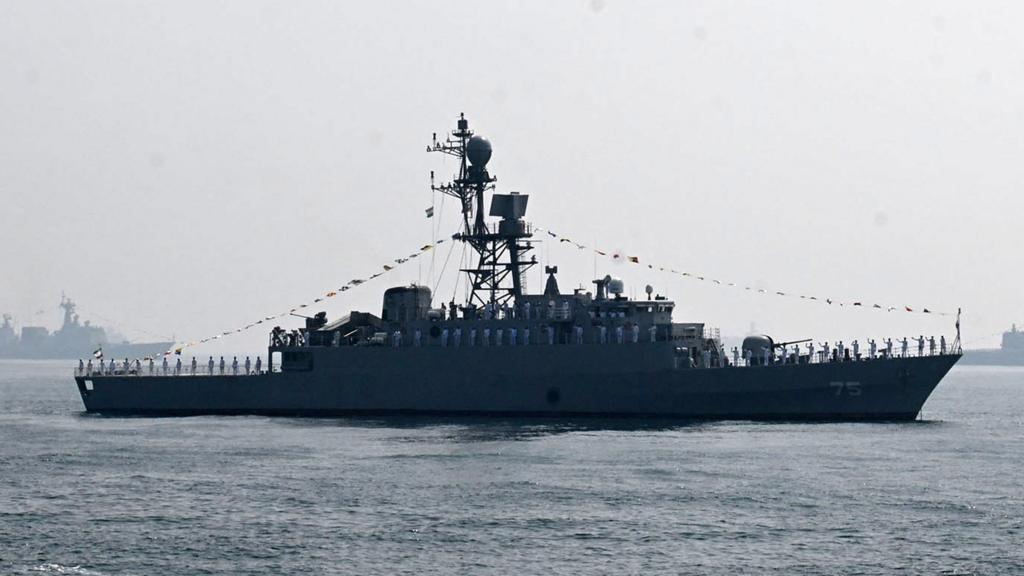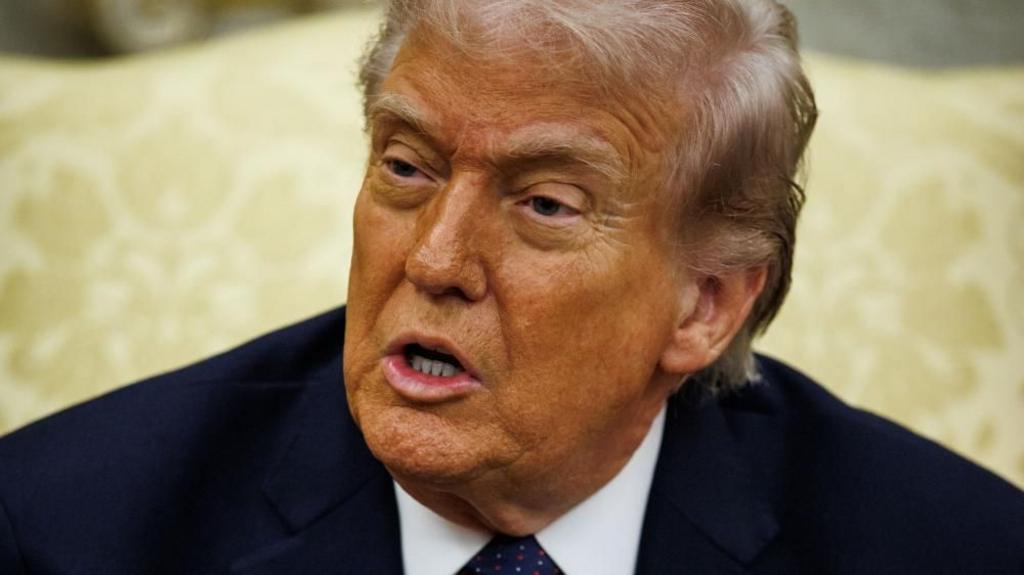
In a move that strains transatlantic relations, former U.S. President Donald Trump has threatened to halt bilateral trade with Spain if the Iberian nation restricts U.S. forces' access to the Naval Station Rota. This strategic installation, located on the Andalusian coast, has hosted U.S. Navy Aegis-equipped destroyers since 1953 and is a fundamental pillar for NATO security in the Mediterranean and Europe's southern flank. Trump's warning, delivered during a campaign rally and amplified on his social media channels, comes at a time of growing skepticism within Spanish political circles about foreign military presence on national soil.
The context of this threat fits into Trump's recurring statements about the need for NATO allies to "pay their fair share" and assume greater responsibilities for their own defense. However, this is the first time he has issued such a concrete warning with economic implications against a key European ally like Spain. "We are not going to keep paying for the protection of countries that then put obstacles in our way. If Spain closes the doors of Rota, we will close ours to their products. It's very simple," the former president stated, according to transcripts of his speech. Naval Station Rota is not just a symbol of the alliance but a crucial operational asset. It permanently hosts four destroyers, and its deep-water port is vital for the resupply and force projection of the U.S. Navy's Sixth Fleet.
Political analysts and international relations experts have reacted with alarm to the possibility of a future Trump administration materializing this threat. Bilateral trade between Spain and the United States exceeded $40 billion in 2023, with a trade surplus in Spain's favor of nearly $8 billion. Key sectors such as automotive, aeronautical components, olive oil, and wine depend significantly on the U.S. market. A disruption, even partial, of this trade flow would have a severe impact on the Spanish economy. On the other hand, the Spanish Ministry of Foreign Affairs has issued an official statement, avoiding direct confrontation but reaffirming that "the defense agreement with the United States and the presence at Rota are framed within the mutual commitment within NATO and are reviewed sovereignly by both countries on a periodic and constructive basis."
The controversy has also reignited internal debate in Spain. Political parties like Podemos and factions within the coalition government have historically expressed a desire to review the agreements allowing the U.S. military presence, citing sovereignty issues. "We cannot accept ultimatums. The Rota base exists by virtue of an agreement between sovereign nations, and any discussion about its future must be conducted with respect and dialogue, not economic coercion," declared a parliamentary spokesperson for the Sumar bloc. In contrast, the main opposition parties, the Popular Party and Vox, have criticized the government's stance, accusing it of weakening the alliance with Washington and provoking this type of reaction.
The impact of this threat transcends bilateral relations. European Union officials have expressed concern that Trump might use similar tactics against other NATO members hosting U.S. military forces, such as Germany or Italy, undermining the bloc's cohesion. Security in the Mediterranean, where Rota plays a central role in deterring threats from North Africa and monitoring the Strait of Gibraltar, could be compromised. Military experts emphasize that, beyond the rhetoric, withdrawing assets from Rota would be a logistically complex and costly process for the United States, weakening its posture in a geostrategic region.
In conclusion, Donald Trump's threat to cut trade with Spain represents an unprecedented escalation in the instrumentalization of defense policy for economic pressure among allies. It exposes the vulnerability of transatlantic relations in the face of a potential return of isolationist and 'America First' policies to the White House. This episode forces Spain and the European Union into a deep reflection on their strategic autonomy and their dependence on the U.S.-led security architecture, while they must manage with firm diplomacy a situation that threatens to severely damage their economy and regional stability.