In a move that underscores the rising tension in an already volatile region, the United States government has initiated an air operation to evacuate American citizens from several locations across the Middle East. This deployment comes in response to the rapid expansion of hostilities involving Iran and its regional allies, sparking fears of a broader conflict that could further destabilize the area. Authorities have described the operation as a "prudent precautionary measure" aimed at ensuring the safety of Americans given the unpredictable security situation.
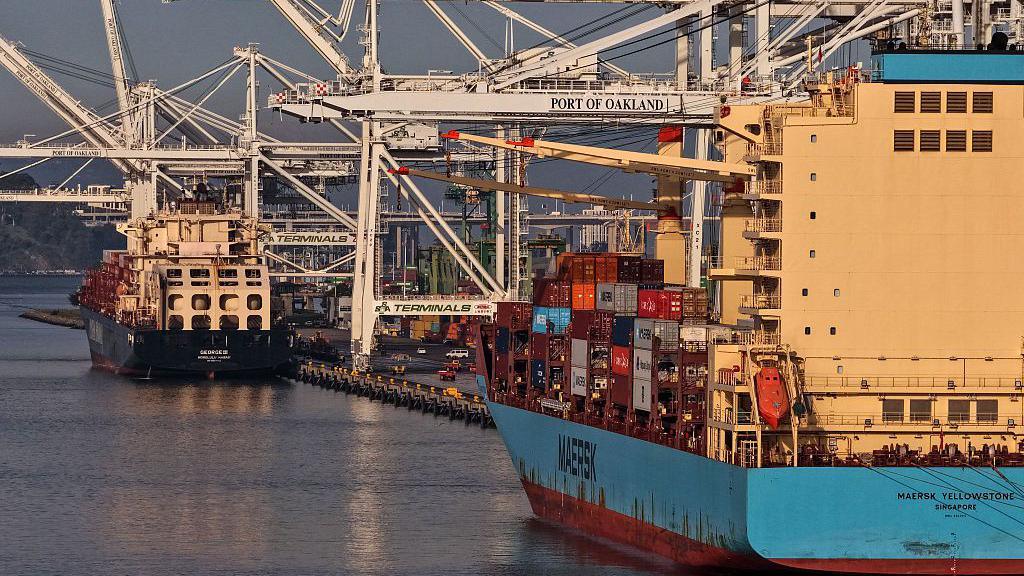
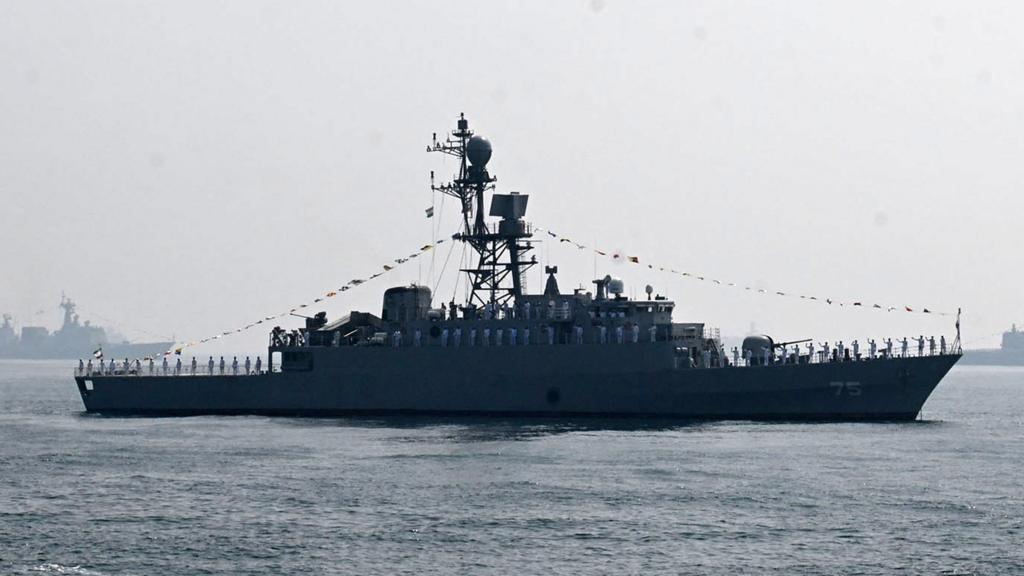
The context for this evacuation stems from weeks of exchanged strikes and bellicose rhetoric. The recent killing of a senior Iranian commander in an airstrike attributed to Israel, followed by Iranian retaliatory strikes against Israeli interests in the region, has created a cycle of violence threatening to spiral out of control. Furthermore, Iran-aligned militant groups in Yemen, Iraq, Syria, and Lebanon have ramped up their activities, launching drones and missiles at targets linked to the US and Israel. This landscape has led analysts to warn of a real risk of a large-scale regional war, which could directly involve multiple powers and paralyze international maritime traffic in the Persian Gulf.
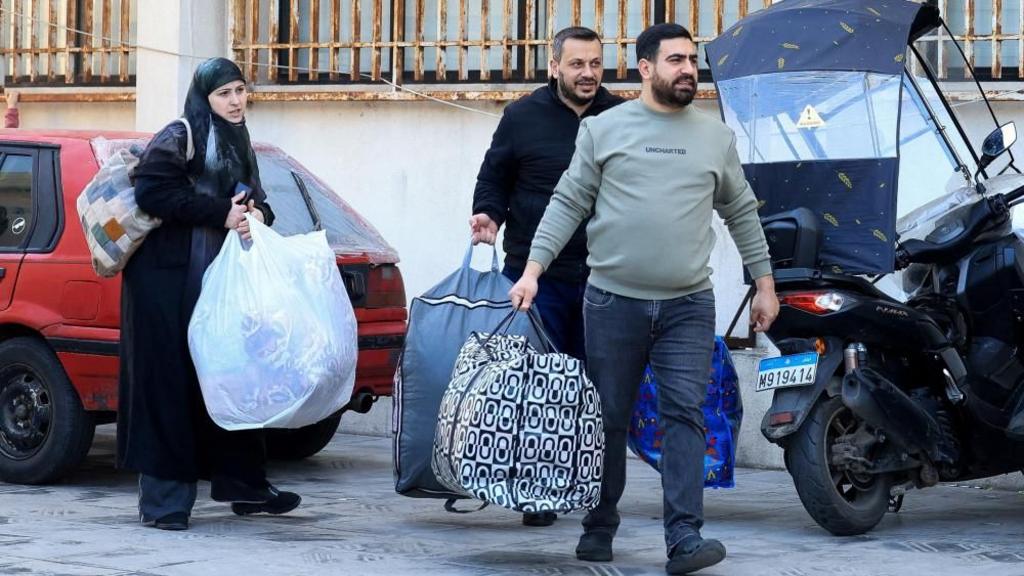
Relevant data indicates the evacuation operation initially involves military transport aircraft such as C-17 Globemasters and possibly aerial refueling tankers, deployed from bases in Europe and the continental US. Flights are expected to first head to countries considered points of higher immediate risk, though the Pentagon has not publicly specified all locations. It is estimated that tens of thousands of American citizens, including diplomats, corporate personnel, defense contractors, and private citizens, reside or work in the region. The evacuation is not mandatory at this stage, but the State Department has issued its highest-level travel alerts, urging citizens to depart the area using commercial options while still available and to enroll in the Smart Traveler Enrollment Program (STEP).
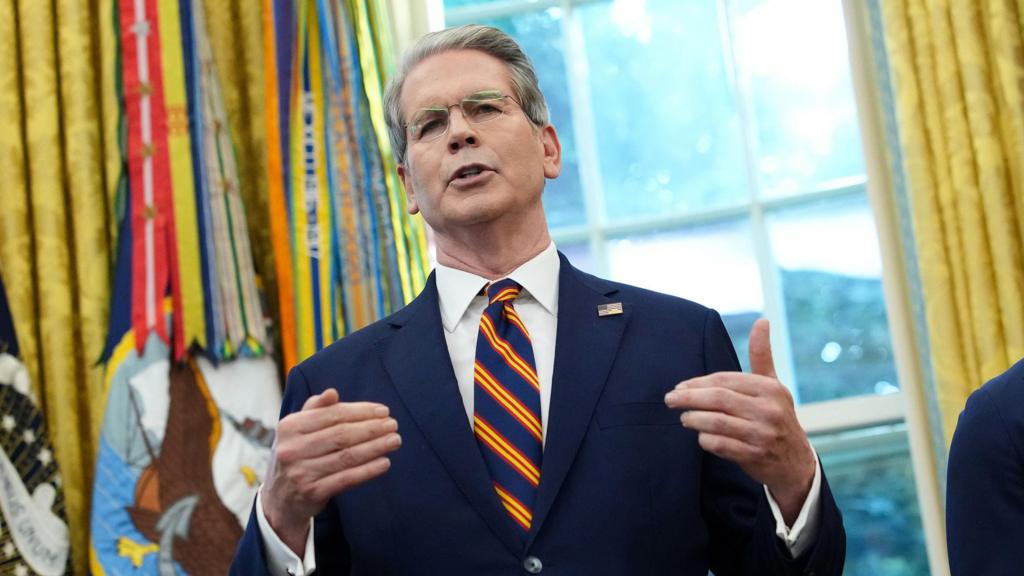
Official statements have sought to balance the seriousness of the situation with a message of calm. A State Department spokesperson stated: "Our top priority is the safety and security of US citizens abroad. We are taking these proactive steps to ensure we have options available for them should the situation deteriorate." Meanwhile, a senior Pentagon official, speaking on condition of anonymity, added: "We are monitoring the situation minute by minute. Our assets in the region are on high alert, and this evacuation operation is a component of our contingency planning."
The impact of this mobilization is multifaceted. On the diplomatic front, it sends a clear signal to Iran and other actors about the seriousness with which Washington perceives the threat, which could act as a deterrent or, conversely, be interpreted as an escalation. Economically, the uncertainty has already driven up oil prices, with Brent crude surpassing $90 a barrel, due to fears of supply disruptions from the Gulf. For host countries in the Middle East, the visible evacuation of American personnel may generate anxiety among local populations and allied governments, questioning the US's ability to project stability in the region in the short term.
In conclusion, the US decision to deploy aircraft for a potential mass evacuation underscores a dangerous tipping point in Middle East tensions. While the operation is, for now, a preventive measure, its execution reflects a grim intelligence assessment about the potential for rapid escalation. The success of any diplomatic effort to defuse the crisis in the coming hours or days will be critical. The world watches with apprehension, aware that a miscalculation or a significant attack could trigger a conflict with global consequences, affecting energy security, world economies, and the already fragile geopolitical stability. The window for diplomacy appears to be closing rapidly, as the evacuation aircraft head into the storm zone.