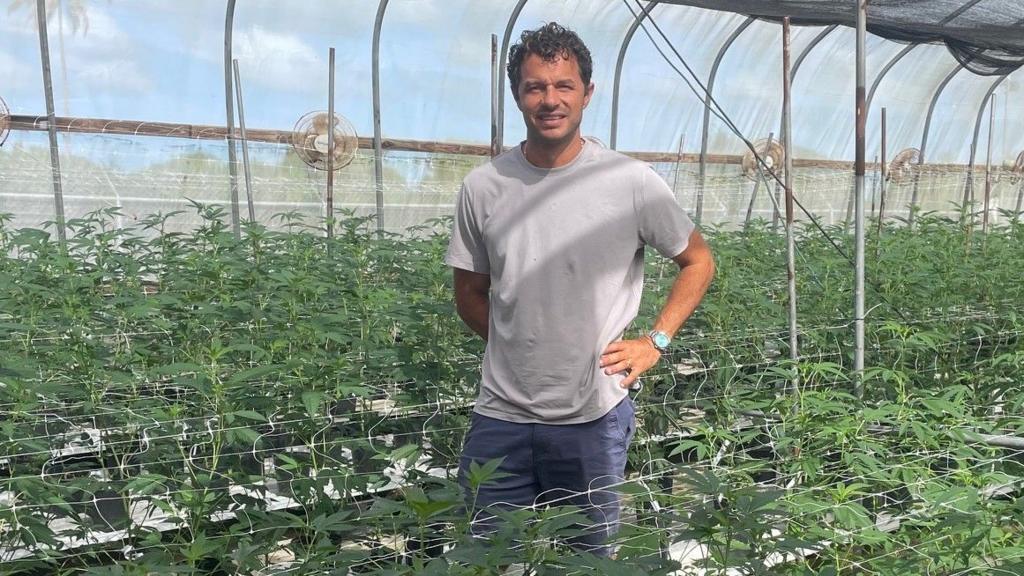
The agricultural landscape of the Caribbean is undergoing a quiet yet significant transformation, driven by the increasing liberalization of the cannabis industry. In countries like Jamaica and Antigua and Barbuda, producers historically tied to informal or subsistence markets are strategically positioning themselves to capitalize on the opening of legal markets, both domestic and international. This evolution not only promises to revitalize agricultural sectors but could also generate significant revenue streams for economies traditionally dependent on tourism and commodity agriculture.
The context for this transformation dates back to decades of traditional cultivation, often stigmatized and penalized. Jamaica, famous for its cultural association with the plant, decriminalized the possession of small amounts in 2015 and established a regulatory framework for a medicinal, scientific, and therapeutic industry in 2020. Meanwhile, Antigua and Barbuda legalized cannabis for religious and medicinal use in 2018 and has recently advanced debates on recreational legalization. This legal paradigm shift is allowing farmers to emerge from the shadows and operate with licenses, quality standards, and access to formal financial services.
Relevant data points to considerable economic potential. According to sector analysis, the legal cannabis market in the Caribbean could reach valuations in the hundreds of millions of dollars within the next decade. In Jamaica, the Cannabis Licensing Authority has issued hundreds of licenses covering cultivation, processing, transportation, retail, and research. A key factor is export. Jamaica has established agreements to export medicinal cannabis products to countries like Germany and Australia, opening a valuable door to high-value markets. Antiguan producers, meanwhile, are exploring niches such as wellness cannabis and derived products for the local and regional market.
Statements from key players reflect cautious optimism. 'It's not just about growing a plant; it's about growing a legitimate industry that creates jobs, generates taxes, and honors our heritage,' stated a spokesperson for a Jamaican growers' cooperative. An official from Antigua's Ministry of Agriculture noted, 'We are focused on creating an inclusive model that benefits small farmers and ensures economic benefits are widely distributed.' However, there are also voices warning of challenges, including competition from large international corporations, financial barriers to complying with strict regulations, and the persistence of illegal markets.
The impact of this budding industry extends beyond the economic. Socially, it offers a pathway for restorative justice, allowing communities affected by punitive drug policies to participate in the legal economy. Environmentally, it promotes sustainable agricultural practices and the use of farmland. For tourism, a new segment is emerging: cannabis or wellness tourism, with cultivation tours, spas, and educational experiences attracting a new type of visitor.
In conclusion, the Caribbean cannabis growers' focus on domestic sales and exports marks a historic inflection point. Success will depend on governments' ability to implement agile and fair regulatory frameworks, local producers' access to capital and technology, and the building of Caribbean brands recognized for their quality and authenticity. If these elements align, the Caribbean could not only harvest buds but also sow the seeds of a new and resilient source of economic prosperity, transforming a complex legacy into a sustainable and legal future.