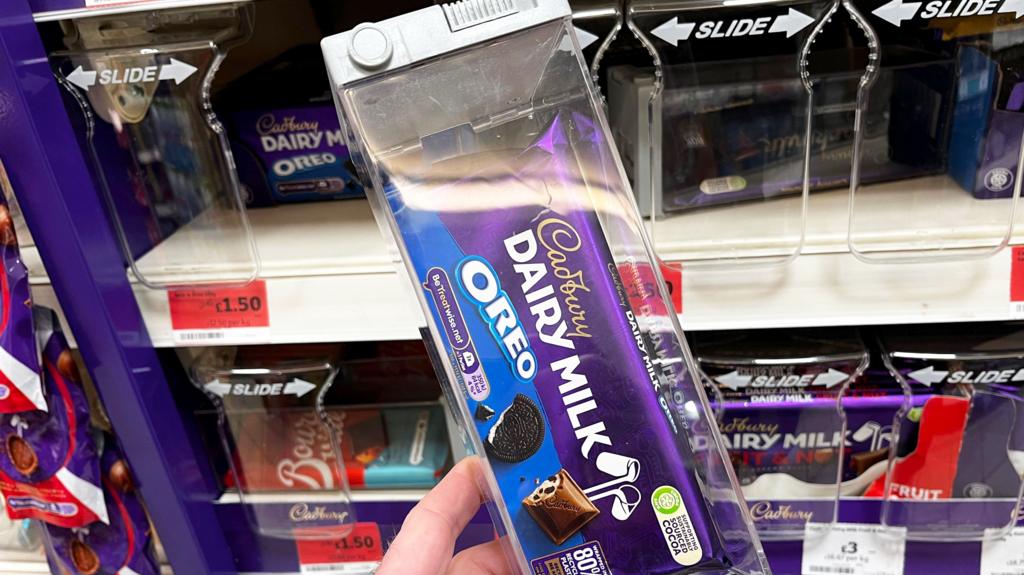
In a move that underscores growing concerns over organized retail crime, supermarket chains in several countries are now placing chocolate bars and other confectionery items in locked security boxes with alarms, similar to those used for high-value electronics. Retailers are warning that chocolate has become a frequent target for gangs operating on a 'theft to order' basis, stealing large quantities for subsequent resale on informal markets or online. This trend, which began in the United Kingdom and is spreading across Europe and North America, signals a worrying evolution in patterns of crime against commerce, where everyday consumer staples are treated as contraband goods.
The context for this situation is a widespread increase in shoplifting, driven by the cost-of-living crisis and the organization of criminal networks. According to data from the British Retail Consortium (BRC), shoplifting incidents rose by 27% year-on-year in 2023, with losses from theft exceeding £1.8 billion. Products such as meat, alcohol, infant care items, and notably, chocolate, top the list of most stolen items. "This isn't about the opportunistic thief taking a single bar," explained a BRC spokesperson. "We are seeing planned thefts, where organized groups enter with specific lists of products and brands, clear the shelves, and exit quickly. Chocolate, due to its high value per weight and easy resale, is particularly attractive."
The tactic of placing chocolate in transparent plastic boxes with electronic security devices, which sound an alarm if removed without being deactivated at the checkout, has been implemented in stores of chains like Co-op, Tesco, and Morrisons in the UK. In some establishments, even seasonal Easter eggs are under lock and key. "It's surreal and sad to have to protect a basic food product this way," comments Sarah Jensen, manager of a Co-op store in London. "But the losses were unsustainable. A single individual could take £300 worth of chocolate in a bag in minutes. Now, if someone tries to force the box, an audible alarm triggers and sends an alert to staff."
The phenomenon of 'theft to order' suggests an underground market for these products. Gangs steal specific quantities of premium brands, such as Lindt, Galaxy, or Cadbury Dairy Milk, to then sell them at a reduced price in flea markets, pubs, online platforms like Facebook Marketplace, or even to small shops willing to overlook the goods' origin. Inflation and the global surge in cocoa prices, which have made chocolate more expensive, have made this 'grey market' even more lucrative. A report from the retail security firm Everseen indicates that thefts of confectionery products have increased by 40% in the last year in Western Europe.
The impact of this security measure is multifaceted. For retailers, it represents a significant investment in security devices and an additional operational burden for staff, who must attend to customer requests to open the boxes. For consumers, the shopping experience is degraded, generating frustration and a constant feeling of surveillance. Consumer organizations have expressed concern about the stigmatization and inconvenience this poses for the majority of honest shoppers. Psychologically, it normalizes the idea that an everyday product is now a luxury item requiring protection.
In conclusion, the image of chocolate under lock and key is a powerful symbol of current times, where organized crime infiltrates the most mundane aspects of daily life. While retailers are forced to take these drastic measures to protect their merchandise, long-term solutions require coordinated action including greater police deterrence, harsher penalties for organized retail crime, and, fundamentally, addressing the underlying socioeconomic drivers of this type of delinquency. In the meantime, the simple act of buying a chocolate bar has become, in many stores, a tangible reminder of current social and economic fractures.