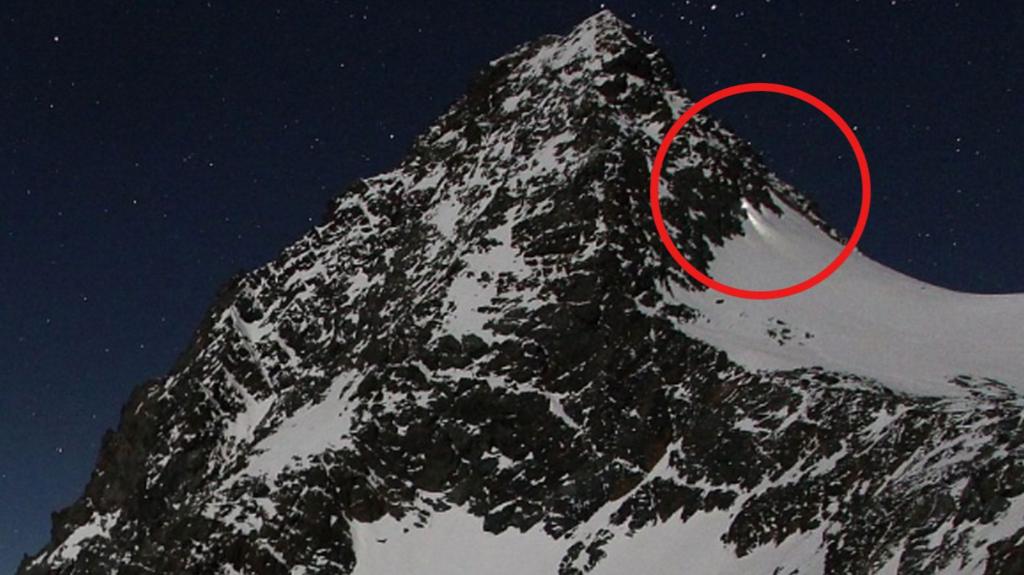
A courtroom in Innsbruck, nestled in the heart of the Austrian Alps, has become the stage for a trial that has shocked the international mountaineering community. The defendant, a 33-year-old climber whose identity is protected under local privacy laws, faces charges of homicide by omission following the tragic incident last July on the summit of the Grossglockner, Austria's highest mountain at 3,798 meters. According to the prosecution, the man consciously abandoned his 32-year-old girlfriend, a fellow climber, after she suffered a severe fall during their descent, choosing to save his own life rather than attempt a rescue that experts testified could have been feasible.
The context of this case unfolds in one of Europe's most hostile environments. The Grossglockner, while not reaching the heights of Himalayan giants, presents significant technical challenges with treacherous glaciers, hidden crevasses, and weather conditions that can change within minutes. The couple, both experienced mountaineers, had undertaken the ascent via the normal route, a path requiring ice and rock climbing skills. Testimony presented at trial indicates the descent turned tragic when the woman slipped on an icy section, falling approximately 15 meters and sustaining multiple fractures and severe head trauma. Instead of activating the satellite locating device they carried or attempting to stabilize her, the accused, according to the charges, chose to continue alone to the nearest mountain hut, later arguing he believed his girlfriend had already died and that his own survival was at imminent risk.
Data presented by rescue teams is revealing. A report from the ÖAV (Austrian Alpine Club) details that the woman's body was recovered 36 hours after the incident, just 200 meters from the main descent route. Rescue workers testified under oath that had they received immediate alert, there was a "window of opportunity" for a helicopter rescue before a snowstorm enveloped the area. "Conditions were difficult, but not impossible for a rescue operation in the early hours," stated the head of the Tyrol police mountain team. This testimony starkly contrasts with the defense's argument that their client acted under "a state of extreme shock and confusion," common in high-altitude survival situations, and that any rescue attempt would have resulted in two deaths rather than one.
The impact of this case transcends the legal sphere, touching the moral core of mountaineering ethics. The international alpine community is deeply divided. On one hand, organizations like the UIAA (International Climbing and Mountaineering Federation) have reiterated the fundamental principle of never abandoning a partner on the mountain, an unwritten code that has guided climbers for generations. "In the mountains, we are responsible for each other. This case calls into question the fundamental values of our sport," expressed a federation spokesperson. On the other hand, psychologists specializing in extreme situations have testified about "survival syndrome," where rational decision-making is compromised by the preservation instinct. The trial has also reopened debate about the need for specific legislation governing high-risk activities, as current Austrian law applies the general concept of "duty to rescue" to this extreme context.
The conclusion of this judicial process, expected in the coming weeks, will set a far-reaching legal precedent. It will not only determine the criminal liability of an individual under exceptional circumstances but also define to what extent the law can judge decisions made under extreme existential pressure. Regardless of the verdict, this tragic incident on the majestic yet unforgiving slopes of the Grossglockner will serve as a somber reminder of the limits of human capability and the complex ethical dilemmas that arise when life hangs by a thread in the wilderness. The echo of this case will resonate in mountain huts and courtrooms alike, raising uncomfortable but necessary questions about responsibility, survival, and the price of the summit.