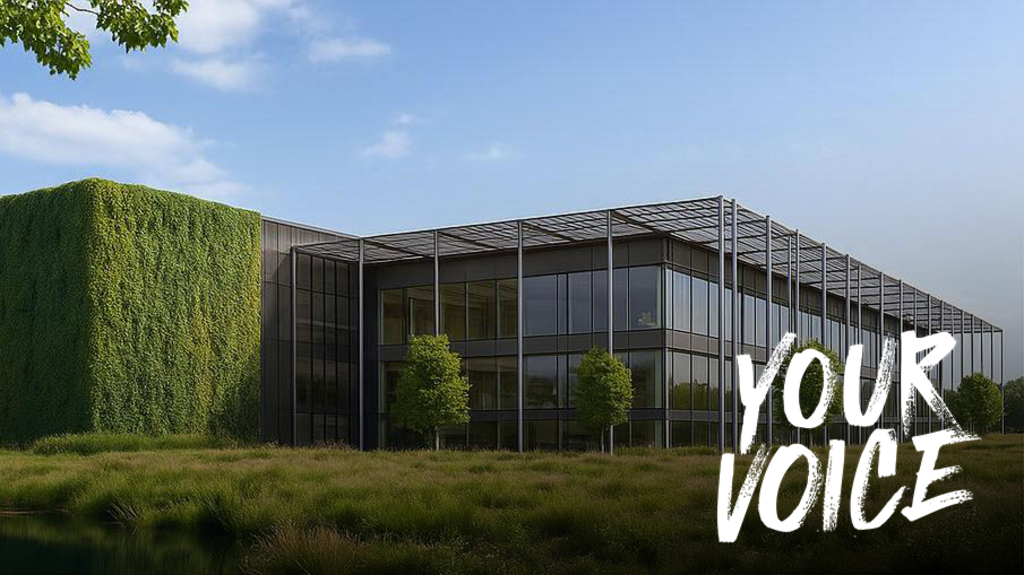
The proposal to build a mega data centre in the Ayrshire region on Scotland's west coast has sparked an intense debate dividing the local community, politicians, and planning experts. On one hand, it is presented as a historic opportunity to revitalize a regional economy that has struggled following the decline of traditional industries. On the other, it raises profound concerns about its environmental impact, massive resource consumption, and the transformation of the rural landscape. This project, valued at hundreds of millions of pounds, symbolizes the crossroads at which many post-industrial regions find themselves: the pursuit of 21st-century investment versus the preservation of their identity and sustainability.
The context is crucial. Ayrshire, with its rich industrial history linked to mining and shipbuilding, has faced decades of economic challenges. The promise of a large-scale data centre, driven by global demand for cloud computing and artificial intelligence, represents a capital injection and the creation of hundreds of jobs, both in construction and high-skilled technical operations. The project's promoters, an alliance between an international developer and investment funds, argue that Ayrshire has competitive advantages: available land, potential connection to subsea fibre-optic networks, and a Scottish government policy seeking to attract tech investment. "This is not just a building; it's a magnet for the future digital economy," a spokesperson for the investor consortium recently stated.
However, relevant data paints a complex picture. Data centres are notorious for their enormous energy and water consumption. A centre on the proposed scale could require electrical power equivalent to tens of thousands of homes, straining an already tense grid and questioning Scotland's commitments to renewable energy. Furthermore, cooling systems need millions of litres of water, a resource that, while abundant in Scotland, is not unlimited. Local environmental groups have presented studies warning about the project's carbon footprint and its impact on the area's biodiversity, which includes farmland and coastal habitats. "We are trading a natural landscape for a high-consumption digital one," stated the coordinator of an environmental coalition.
Public statements reflect the division. The regional council is cautiously optimistic, highlighting tax benefits and economic diversification. "We cannot afford to turn down investments of this magnitude. We need well-paid jobs for our young people," said a councillor. In contrast, residents and small business owners fear gentrification, rising living costs, and the saturation of local infrastructure such as roads. The impact is therefore multifaceted. Economically, it could generate a ripple effect, attracting ancillary businesses and revitalizing the service sector. Socially, it could alter the demographic makeup and increase tensions over resources. Environmentally, it tests the region's ability to host critical infrastructure without compromising its climate neutrality goals.
In conclusion, Ayrshire's dilemma is a microcosm of a global challenge: how to integrate the essential infrastructure of the digital age into existing communities in a fair and sustainable manner. The final decision will not be binary (accept or reject) but will likely involve rigorous negotiations on environmental mitigations, investment in green infrastructure, and community benefit agreements. The data centre project could be a revitalization opportunity, but only if implemented with transparent governance, stringent sustainability criteria, and genuine dialogue with the community it aims to benefit. Ayrshire's future may depend on finding that precarious balance between economic progress and preserving the place its inhabitants call home.