A desperate search ended in tragedy this Thursday with the recovery of the bodies of eight skiers trapped under a massive avalanche in California's Sierra Nevada mountains. The incident, which occurred in a remote area of Mono County near Lake Tahoe, marks one of the deadliest such disasters in the state's recent history. Rescue teams, comprising over fifty specialists, search dogs, and volunteers, worked for more than 36 hours in extreme conditions to locate the victims, all of whom were experienced backcountry enthusiasts.
The avalanche was triggered on Tuesday afternoon on a slope known as "The Chute," a popular route among backcountry skiers and mountaineers seeking untouched terrain outside ski resort boundaries. According to the preliminary report from the U.S. Forest Service and the Sierra Nevada Avalanche Center, a weak snow layer, combined with strong winds and rapid accumulation of fresh snow over the past 72 hours, created the perfect conditions for the slide. The snow mass, estimated to be over 200 meters wide and 600 meters long, swept down the mountain, burying the skiers under several meters of compacted debris.
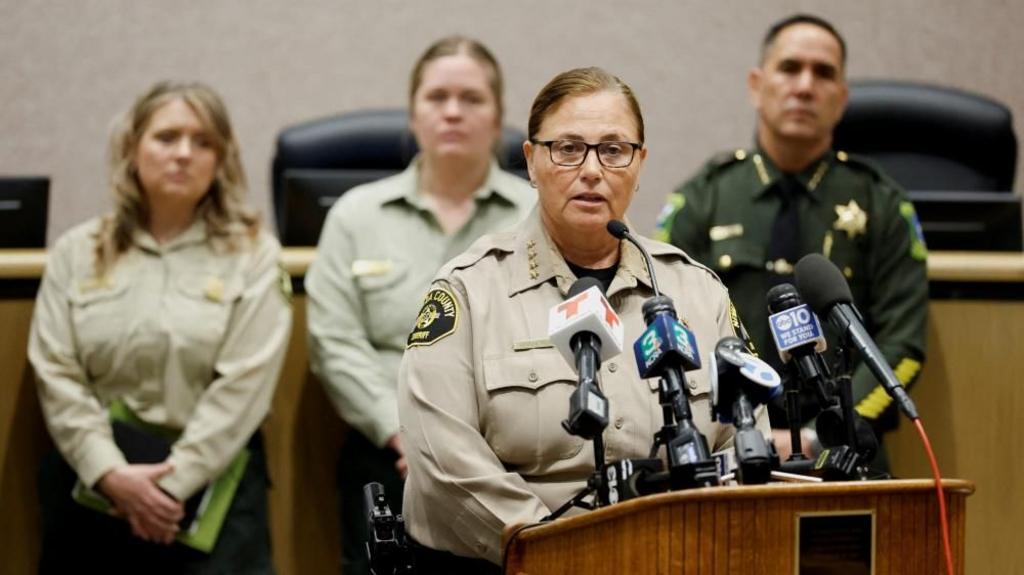
Authorities identified the victims as a group of friends, aged between 28 and 45, mostly residents of California and Nevada, with extensive experience in mountain skiing. Among them were two certified mountain guides. "This is a devastating reminder of the relentless force of nature," Mono County Sheriff Sarah Henderson stated during an emotionally charged press conference. "Our teams did everything humanly possible, but the conditions under the avalanche were extremely complex. The snow set up like concrete."
The Sierra Nevada Avalanche Center had issued a "high danger" warning (level 4 out of 5) for the region just the day before the incident, due to the combination of new snow, wind, and an unstable underlying snowpack. This warning was widely disseminated through specialized apps, websites, and local ski resorts. However, according to accounts from other mountaineers in the area, the group may have underestimated the risk or believed their specific route was on a slope less prone to sliding. The investigation to determine the exact factors leading to the decision to ascend is ongoing.
The impact of this tragedy has resonated deeply within mountain sports communities across the Western United States. Backcountry skiing and mountaineering have seen a significant surge in popularity in recent years, attracting new enthusiasts, sometimes with varying levels of experience. Organizations like the American Mountain Guides Association (AMGA) and The American Alpine Club have reiterated their calls for continuous education, the use of safety equipment (such as beacons, shovels, and probes), and, above all, consulting and respecting avalanche forecasts. "Safety gear is vital, but the best tool is informed decision-making," noted Mark Jenkins, director of the Avalanche Center. "No pristine line of powder is worth a life."
This tragedy adds to a concerning increase in avalanche fatalities across North America over the past decade, attributed in part to climate change, which creates more unpredictable snow patterns and unstable layers, and the growing number of people venturing into the wilderness. The families of the victims have requested privacy as they process their loss. Community vigils are expected in several California and Nevada cities in the coming days to honor the memory of the deceased skiers, remembered by their loved ones as passionate lovers of nature and the mountains.