In a high-impact operation that could redefine the landscape of organized crime in Mexico, military and security sources have reported the death of Nemesio Oseguera Cervantes, known as 'El Mencho', leader of the Jalisco New Generation Cartel (CJNG). The operation, carried out in a mountainous area between the states of Jalisco and Michoacán, involved elements of the Secretariat of National Defense (Sedena) and the National Guard, who after an intense confrontation managed to neutralize the primary target, according to preliminary versions not officially confirmed by the presidency.
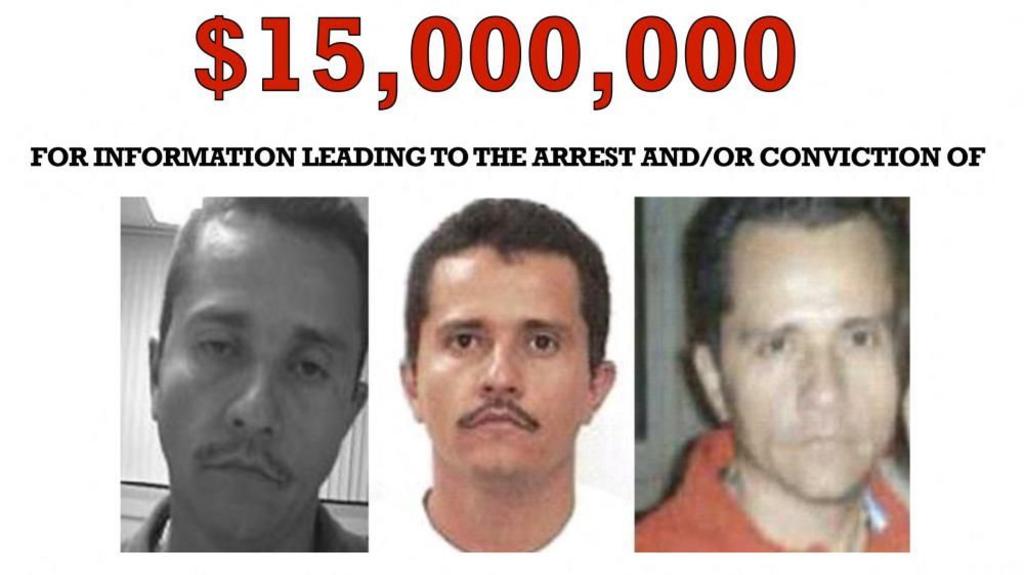
The context of this operation is framed within one of the most extensive and costly manhunts in Mexico's recent history. 'El Mencho', with a bounty of up to $10 million offered by the United States government, had evaded capture for over a decade, consolidating the CJNG as one of the most powerful and violent criminal organizations in the world, with a presence on multiple continents. His empire was based on trafficking methamphetamine, cocaine, and fentanyl, in addition to exerting territorial control through extreme violence. Security analysts have pointed out that the cartel's capacity for infiltration and corruption allowed it to operate with impunity in vast regions of the country.
Relevant data indicates that the CJNG is responsible for approximately one-third of drug trafficking-related violence in Mexico, with expansion into more than 25 states of the Republic. Under 'El Mencho's' command, the organization was characterized by its audacity in attacks against federal forces, including the downing of a military helicopter in 2015. The possible death of the capo occurs at a time of maximum international pressure, particularly from the United States, which considered him a national security priority due to the flow of fentanyl into its territory. So far, no images of the body have been released, and authorities are maintaining operational secrecy, citing the need to verify identity through forensic tests.
Statements from anonymous sources within the Mexican security apparatus suggest that the intelligence leading to the operation came from prolonged collaboration between agencies. "It was the result of months of undercover work, interceptions, and technological surveillance," commented a military source. On the other hand, experts like Eduardo Guerrero, a security analyst, warn about the power vacuum that could be generated: "The disappearance of a central figure like 'El Mencho' does not mean the end of the CJNG. The structure is diversified, and an internal struggle for leadership is likely to erupt, with the risk of increasing violence in the short term."
The impact of this event is of historical dimensions. Domestically, it represents the biggest blow to organized crime since the death of 'El Chapo' Guzmán, with the caveat that 'El Mencho' operated from the shadows with greater effectiveness. Internationally, it would relieve diplomatic pressure on the Mexican government but would also test its capacity to handle the consequences. The possible fragmentation of the CJNG could lead to alliances or wars with other cartels, reconfiguring the criminal map. Furthermore, a violent reaction from the capo's loyalists is expected, which would force security forces to remain on maximum alert in the coming days.
In conclusion, the alleged death of 'El Mencho' marks a turning point in the war against drug trafficking in Mexico. If confirmed, it would be an unprecedented tactical victory for the Mexican state, demonstrating that even the most elusive targets can be reached. However, historical experience indicates that the decapitation of a cartel rarely leads to its disappearance; rather, it transforms its operation. The real challenge for the authorities will be to capitalize on this moment to dismantle the financial, logistical, and corruption networks that sustain the CJNG, while anticipating and mitigating the outbreak of new violence. Mexican society, weary of years of bloodshed, watches with cautious hope, aware that the path to peace and security remains long and complex.