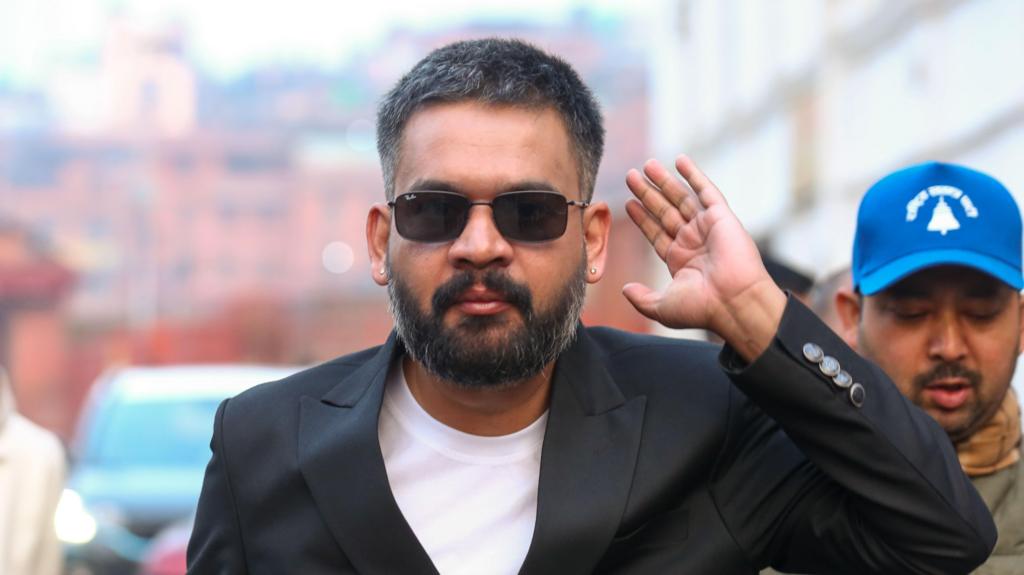
In an electoral twist that reflects a profound generational shift, Nepal's local elections are witnessing an unprecedented contest: popular 32-year-old rap star Balen Shah is emerging as a strong contender for the mayor of Kathmandu, directly challenging established politicians like former Prime Minister Madhav Kumar Nepal. This race is not just a battle between candidates; it is a referendum on the political future of a country where over 40% of the population is under 25, and where disillusionment with the old political guard has reached a boiling point. The potential victory of a musician with no formal political experience over a figure of a former head of government's stature symbolizes the clamor of Nepal's Gen Z and millennials for a break from the past and a new way of doing politics, based on direct connection, transparency, and concrete action rather than ideology or party lineage.
The context of these elections is crucial. Nepal, a young federal republic that emerged from a decade of civil war and overthrew a centuries-old monarchy, has been dominated by an aging political class, often perceived as corrupt, ineffective, and disconnected from urgent everyday problems: waste management, air pollution, crumbling infrastructure, and a lack of economic opportunities for the youth. Balen Shah, a civil engineer and rapper known for his critical lyrics and social activism on social media, capitalizes precisely on this discontent. His campaign, run primarily through digital platforms like TikTok, Facebook, and YouTube, avoids the traditional party apparatus. Instead, it focuses on technical proposals to solve specific city problems, using plain language and promising accountability. "I didn't come into politics to build a career. I came to fix things," he has declared at various rallies, a phrase that resonates deeply with a young electorate tired of empty promises.
Preliminary data and exit polls suggest massive support for Shah in urban districts and among first-time voters. Local political analysts note that this phenomenon is part of a global trend where outsider figures, often with celebrity profiles or technical expertise, gain ground against career politicians. In Nepal, this is exacerbated by the deep legitimacy crisis of traditional parties, the Nepali Congress and the communist parties, which have rotated in power without achieving substantial transformations. "People, especially the youth, no longer believe in -isms. They don't care if you are communist, social democrat, or centrist. They care if you can pick up garbage from the streets and create jobs," explains political analyst Suresh Dhakal. This election could redefine Nepal's urban political map, proving that political capital is no longer inherited or built exclusively within party structures, but can emerge from cultural influence and perceived credibility in the digital space.
The impact of a potential Balen Shah victory would be multifaceted. At the local level, it would send an electric shock to the municipal administration, pressing for more technocratic and less bureaucratic management. At the national level, it would serve as an extreme wake-up call for all established parties, forcing them to reconsider their strategies, rejuvenate their ranks, and tangibly address the demands of the youth. However, it also raises questions about the sustainability of outsider leadership without a political machinery behind it and about the ability to fulfill promises of radical change within rigid institutional systems. The conclusion is clear: the elections in Kathmandu are a microcosm of a broader generational struggle. The rise of candidates like Balen Shah is not a mere electoral whim, but the symptom of a deep demand for democratic renewal. Nepal is at a crossroads where its vibrant and numerous youth are using the ballot box to demand a changing of the guard, prioritizing perceived competence and authentic connection over traditional political experience. The final outcome, whoever wins, has already permanently altered the country's political calculus, demonstrating that the future of Nepalese democracy will be shaped, to a great extent, by its Generation Z.