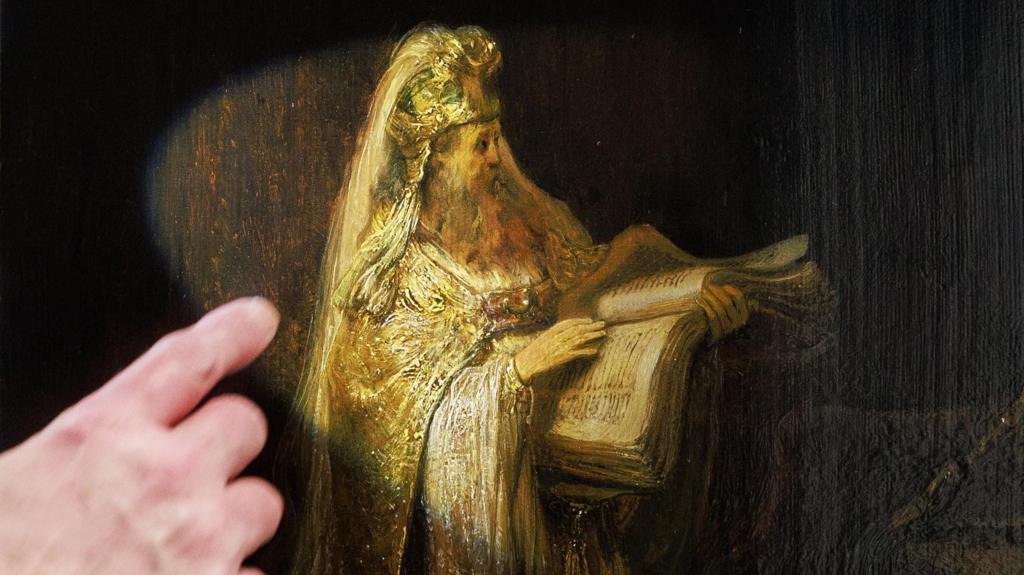
A masterpiece by the Dutch master Rembrandt van Rijn, missing from public view for over six decades, has been rediscovered in a European private collection, the Rijksmuseum in Amsterdam announced today. The painting, titled 'Portrait of a Young Gentleman,' dates from 1634 and depicts a man of the haute bourgeoisie with an elaborate lace collar and an introspective expression characteristic of the Baroque genius. Its last documented appearance was at a London auction in 1958, after which it vanished without a trace, becoming one of the most sought-after lost works of the Dutch Golden Age.
The rediscovery occurred when the current owners, a family wishing to remain anonymous, contacted the Rijksmuseum to request an evaluation of a painting that had been in their possession for generations. Experts from the museum, led by the head of the Dutch Paintings Department, Dr. Pieter Roelofs, conducted a thorough technical analysis including X-ray studies, infrared reflectography, and pigment analysis. The results conclusively confirmed Rembrandt's authorship, identifying his distinctive brushwork, canvas preparation, and use of materials consistent with his workshop in the 1630s. 'It is an extraordinary moment for art history,' declared Dr. Roelofs at a press conference. 'We have not only recovered a physical work but a vital fragment of our cultural heritage that illuminates a crucial period in Rembrandt's career.'
The painting, measuring 85 by 70 centimeters, showcases Rembrandt's technical mastery in the handling of light and shadow (chiaroscuro), as well as his profound psychological capacity to portray human character. The artwork will be included in the Rijksmuseum's upcoming major exhibition, 'Rembrandt: The Young Master,' scheduled for next year, before it returns to its owners. Its current market value is conservatively estimated in the tens of millions of euros, although experts emphasize that its historical and artistic importance is immeasurable. This find also reignites the debate over the number of authentic Rembrandt works, which has fluctuated over the centuries due to misattributions and rediscoveries.
The impact of this rediscovery extends beyond the academic world. It highlights the existence of artistic treasures still hidden in private collections, unknown to the public and researchers. Furthermore, it raises ethical and legal questions regarding provenance and art trafficking, especially in the context of works that disappeared during the tumultuous first half of the 20th century. The Rijksmuseum will collaborate with the Netherlands Institute for Art History (RKD) to publish a comprehensive study documenting the work's provenance, tracing its journey from Rembrandt's workshop to its current whereabouts.
In conclusion, the rediscovery of 'Portrait of a Young Gentleman' is not only a victory for art historians but a vibrant reminder that the past still holds secrets to be revealed. It enriches our understanding of Rembrandt's output and offers the world the opportunity to behold, once again, the genius of one of history's most influential painters. Its reappearance after 65 years of obscurity is a testament to the enduring power of art and the persistent curiosity that drives its preservation and study.