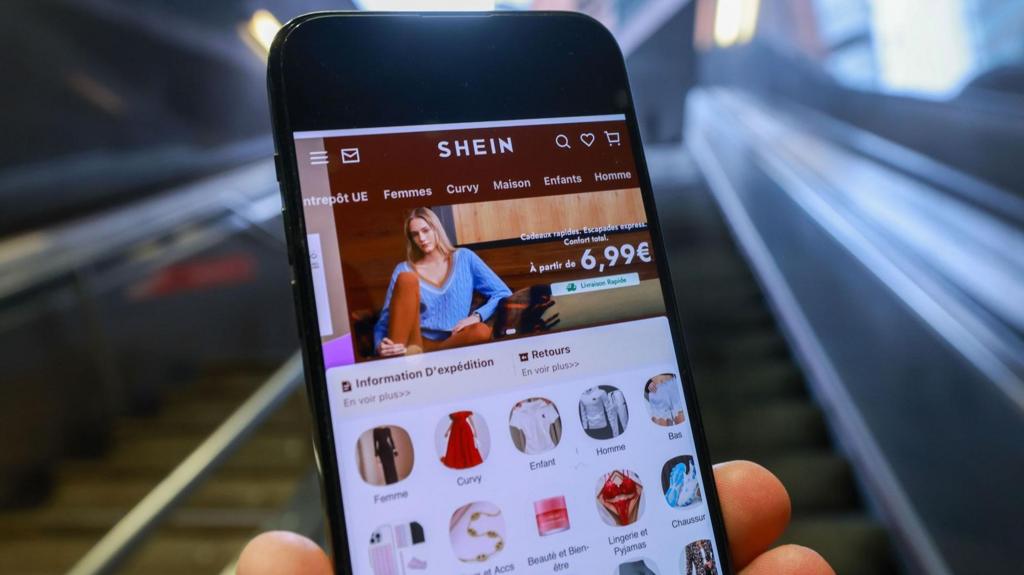
The European Union has launched a formal investigation into e-commerce giant Shein over the alleged sale of sex dolls featuring characteristics that mimic the appearance of children. This regulatory action, led by the European Commission in coordination with national authorities from several member states, marks a turning point in the oversight of content and products on major digital platforms, especially those headquartered outside the EU bloc. The investigation focuses on determining whether Shein violated the EU's strict regulations on child protection and trade in illicit goods, which could result in multi-million euro fines and the imposition of mandatory corrective measures.
The case emerged following multiple complaints from child protection organizations and consumers in countries such as France, Germany, and Italy, who detected the offering of these controversial products on the platform. The dolls in question, according to preliminary reports, exhibit facial features, body proportions, and clothing commonly associated with childhood but are explicitly designed and marketed for sexual purposes. European legislation, particularly the Toy Safety Directive and the General Data Protection Regulation concerning minors, establishes very strict barriers for any product that could encourage the exploitation or sexualization of children, even indirectly.
A European Commission spokesperson stated: 'The protection of minors is an absolute priority for the EU. We are thoroughly examining the allegations against Shein. If the infringements are confirmed, we will not hesitate to apply the corresponding sanctions and demand the immediate removal of all products that violate our rules.' For its part, Shein issued a statement claiming it 'has strict policies prohibiting the sale of illegal or inappropriate products' and that it 'is fully cooperating with European authorities to clarify the situation.' The company asserts that it employs a combination of artificial intelligence technology and human reviews to moderate its catalog, which exceeds hundreds of thousands of items.
This scandal comes at a time of increasing regulatory scrutiny of Shein and other global fast-fashion and e-commerce platforms. The company, of Chinese origin but currently headquartered in Singapore, already faces investigations in several countries over alleged abusive labor practices, environmental impact, and tariff evasion. The potential sale of childlike sex dolls adds an enormous layer of ethical and legal complexity, touching sensitive nerves regarding human rights and child protection. Digital law experts warn that, beyond fines, the case could accelerate the approval of even stricter European rules for online platforms, such as the upcoming Digital Services Act (DSA), which imposes due diligence and content moderation obligations.
The impact of the investigation is already being felt. Several child protection associations have launched campaigns calling for a boycott of Shein until it guarantees a complete cleanup of its catalog. Simultaneously, investment groups with ESG (environmental, social, and governance) criteria are reassessing their exposure to the company. On the commercial front, some logistics and payment partners in Europe are reviewing their contracts with the platform. For the European consumer, the case raises serious questions about quality control and ethical mechanisms on global e-commerce platforms, where speed and low price often take precedence over safety and legality.
In conclusion, the EU's investigation of Shein over childlike sex dolls is not an isolated incident but a symptom of the challenges posed by the globalization of borderless digital commerce. It underscores the urgent need for robust regulatory frameworks, coordinated international oversight, and genuine corporate responsibility. The outcome of this case will set a crucial precedent on how far authorities can go to protect fundamental values, such as children's dignity, in the vast and often opaque world of e-commerce. Shein's future credibility in its most lucrative market outside Asia may depend on how it manages this crisis and demonstrates a real commitment to regulatory compliance and the most demanding ethical standards.