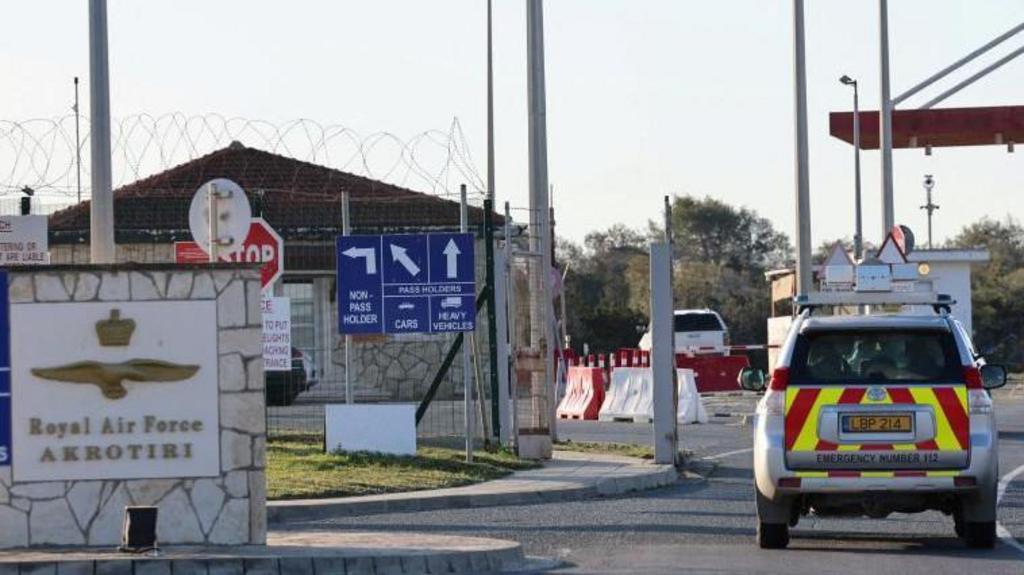
In a coordinated response underscoring the growing instability in the Eastern Mediterranean, several European nations are deploying air defense systems and electronic warfare capabilities to Cyprus, following a drone attack on the British Sovereign Base Area at Akrotiri. The incident, which occurred in the early hours of Tuesday, involved multiple drones that were intercepted by British defenses, with no significant damage or casualties reported. However, the brazenness of the attack, attributed by analysts to Iran-backed militias operating from Lebanon or Syria, has triggered alarms about the vulnerability of key NATO strategic installations in the region.
The Akrotiri Air Base, located on the southern part of the Mediterranean island, is a critical asset for Western operations in the Middle East. It serves as a hub for intelligence, surveillance, and reconnaissance (ISR) and as a launch point for air operations. The drone attack represents a significant escalation in the tactics of Iranian proxy groups, which have traditionally focused their activities on Syria, Iraq, and the Gulf. Cyprus's proximity to active conflict zones makes it a potential target, a risk that defense planners are now urgently reassessing.
France and Greece have confirmed the immediate dispatch of short and medium-range surface-to-air missile batteries, specifically MIM-104 Patriot and SAMP/T systems, to complement existing defenses. Italy is deploying a warship equipped with the ASTER air defense system, which will patrol waters south of Cyprus. Furthermore, specialized electronic warfare teams are being deployed to detect and neutralize drone control signals. A senior NATO official, speaking on condition of anonymity, stated, "This is not a symbolic gesture. It is a substantial defensive deployment designed to send a clear message of deterrence and protect a crucial allied asset. The integrity of supply lines and the security of our footholds in the Eastern Mediterranean are non-negotiable."
The regional context is volatile. Tensions between Israel and Iran, coupled with the ongoing conflict in Gaza, have created an environment where non-state actors seek to widen the conflict. Attacking a base on sovereign UK territory, a NATO member state, marks a new and dangerous threshold. While no group has officially claimed responsibility, Western intelligence strongly points to Hezbollah or Iran-backed Iraqi militias, using more sophisticated drone technology supplied by Tehran. The Cypriot government, meanwhile, has reiterated its policy of not allowing the island to become a battleground but has welcomed allied support as a necessary measure for collective defense.
The impact of this rapid deployment is multifaceted. Firstly, it immediately reinforces the air defense umbrella over Cyprus, deterring future attacks. Secondly, it serves as a tangible demonstration of allied solidarity at a time of growing geopolitical divisions. Thirdly, it sets a precedent for collective responses to asymmetric threats against critical NATO infrastructure outside the treaty's traditional borders. In the longer term, it is likely to accelerate debates on investment in anti-air and anti-drone defenses on the Alliance's southern flank.
In conclusion, the drone attack on Akrotiri has acted as a catalyst, exposing a strategic vulnerability and prompting a swift and substantial allied response. While an immediate crisis was averted, the incident underscores how regional conflicts are spilling over and how Western powers must adapt their defensive postures to counter hybrid and low-cost threats. The fortification of Cyprus is not just about protecting a base; it is about defending a principle of stability and sovereignty in an increasingly unstable region, and sending a warning to adversaries that attacks on allied infrastructure will have consequences and provoke a unified response.