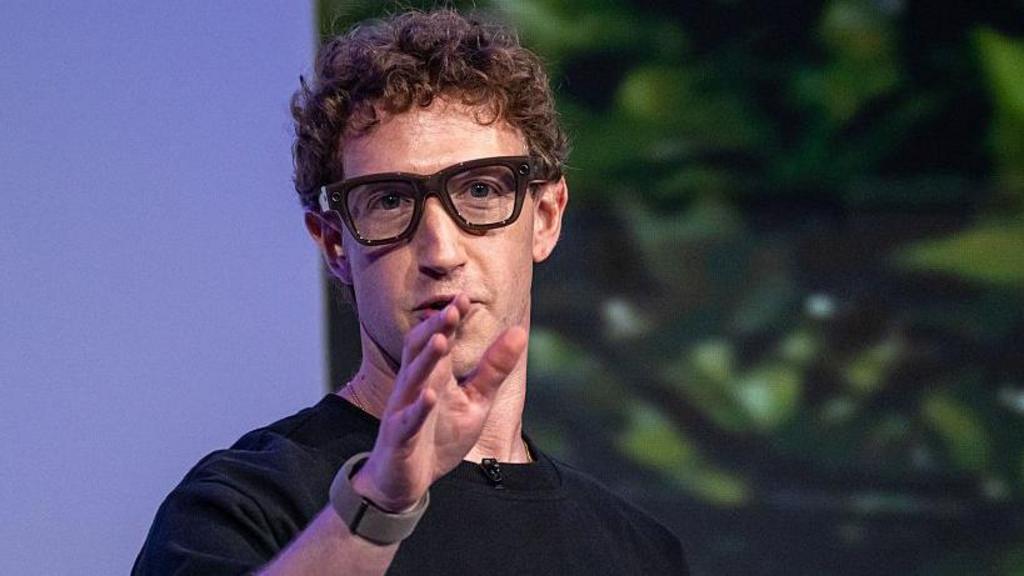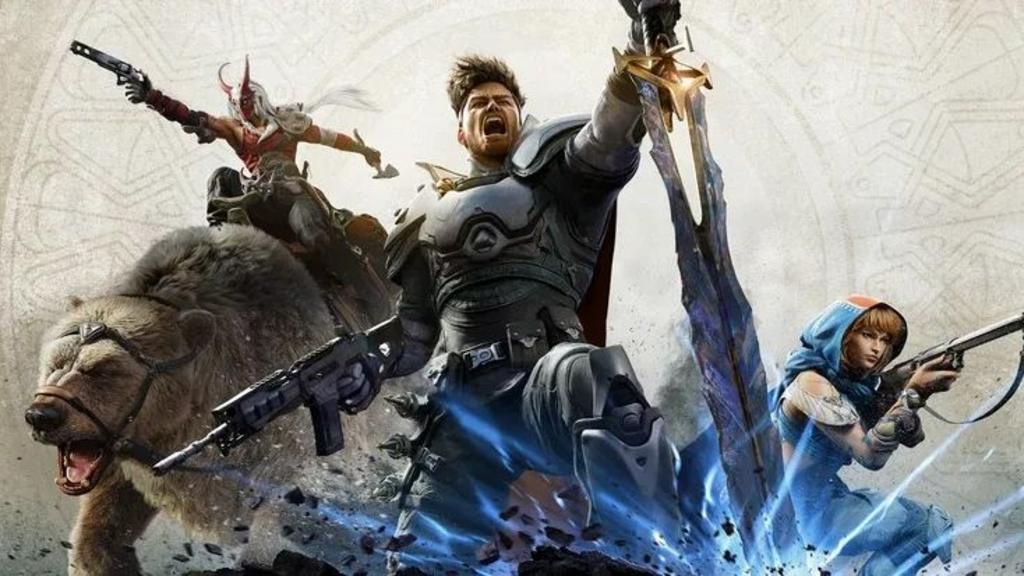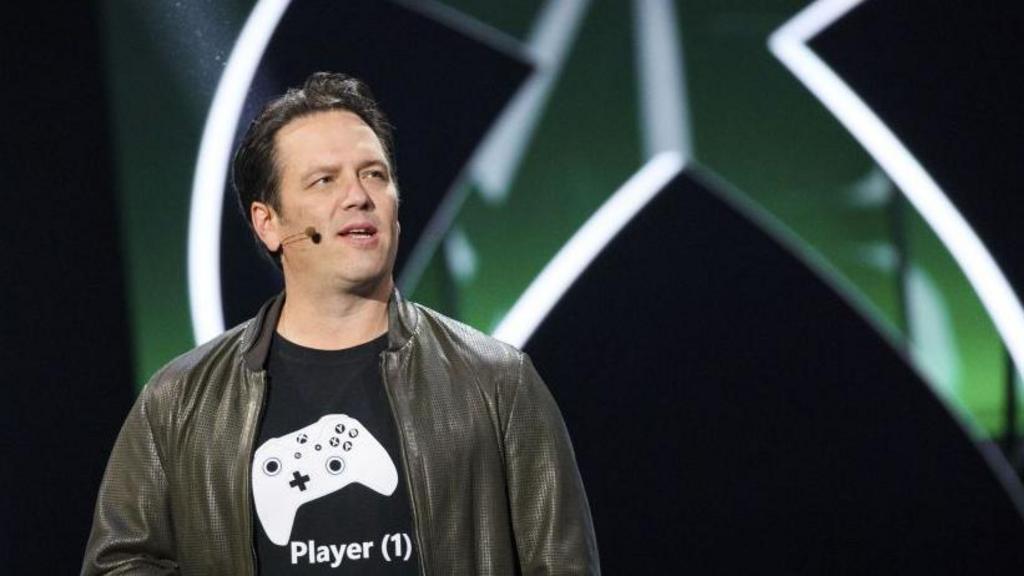
The video game industry is immersed in intense debate following the surprise appointment of Mustafa Suleyman, co-founder of DeepMind and a recognized leader in artificial intelligence, as the new Chief Executive Officer of Microsoft Gaming. This move, interpreted by many as a strategic signal from the tech giant, has unleashed a wave of mixed reactions among the fan community, who speculate about a possible "end of Xbox" as an independent hardware brand and a radical shift towards an AI and cloud services-dominated future. The news comes at a crucial time for Microsoft, which seeks to consolidate its position after the acquisition of Activision Blizzard and faces fierce competition in the console market.
The context of this appointment cannot be understood without analyzing Xbox's recent trajectory. Under the previous leadership of Phil Spencer, the division achieved notable successes with the Xbox Game Pass subscription service, considered a revolutionary business model, and strengthened its portfolio of first-party studios. However, sales of its latest-generation console, the Xbox Series X|S, have lagged behind its main competitor, the PlayStation 5, in multiple markets. This situation has fueled rumors about a possible demise of traditional hardware and a total focus on multi-platform and cloud gaming. The arrival of Suleyman, an AI visionary with no prior experience in directly managing a video game division, seems to confirm those rumors for a significant portion of the fan base.
Relevant data paints a complex picture. Microsoft has invested billions in its cloud infrastructure, Azure, and the xCloud streaming platform. The cloud-based gaming market is expected to grow exponentially in the next decade. On the other hand, physical console sales still represent a substantial portion of revenue and, more importantly, are the core identity for millions of players. The community has divided on social media and specialized forums. One sector, the "traditionalists," expresses fear and disappointment. "This is confirmation. Xbox as a console you compete with on your shelf has its days numbered. We'll just be an app on your TV," wrote an influential user on X. Another added: "They bring an AI genius to manage creative studios like Bethesda or Activision. It doesn't add up. They want algorithms, not games with soul."
In contrast, a group of "innovators" celebrates the decision. They argue that the future of interactive entertainment inevitably passes through artificial intelligence, not only for content generation but to personalize experiences, create dynamic worlds, and revolutionize development. "Suleyman isn't here to kill Xbox, he's here to evolve it. The Game Pass of the future will be an AI that creates the perfect adventure for you in real-time," commented an industry analyst on a specialized podcast. So far, Microsoft has made no official statements beyond the standard press release, in which Satya Nadella, CEO of Microsoft, stated: "Mustafa brings a unique perspective that will accelerate our vision of merging the worlds of gaming, cloud, and AI to deliver more immersive and accessible gaming experiences for everyone."
The impact of this decision is potentially enormous and extends to several fronts. Internally, it could generate friction with acquired creative studios, accustomed to a certain autonomy. In the market, competitors like Sony and Nintendo will watch the strategy closely, while companies like Nvidia (with GeForce Now) and Amazon (with Luna) might see a validation of their bet on cloud gaming. For the consumer, the path seems to lead towards a subscription-based access model where the device loses relevance, but questions arise about game ownership, latency in regions with poor connectivity, and the preservation of the gaming legacy. In the short term, hardware projects under development, such as rumored console revisions, are expected to move forward, but the five-year roadmap could be radically different.
In conclusion, the appointment of Mustafa Suleyman at the helm of Microsoft Gaming is much more than a simple executive change; it is a strategic statement of intent that marks an inflection point. Far from necessarily meaning an abrupt death, it signals a profound transformation of what Xbox represents: from a hardware platform to an ecosystem of intelligent services powered by AI. The division among fans reflects the inherent tension between tradition and innovation in a constantly evolving industry. Microsoft's real challenge will be navigating this transition without alienating its most loyal fan base, while convincing the global market that the future of gaming is in the cloud and not under the TV. The coming months, with events like the Xbox Games Showcase, will be crucial to dispelling fears or confirming the boldest predictions.