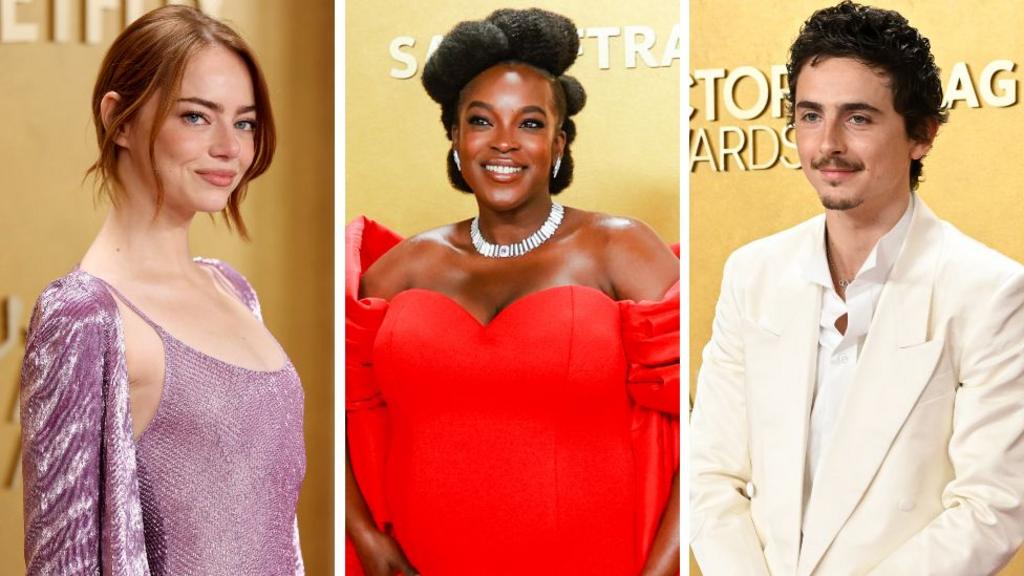
The most anticipated night in the entertainment industry arrived in all its splendor. The Actor Awards red carpet transformed last night into a dazzling showcase of fashion, style, and celebrities, kicking off a ceremony that recognizes the best in acting of the year. Under the flashbulbs of hundreds of photographers and the cheers of fans, the biggest stars from film and television paraded in carefully curated looks, from daring haute couture designs to elegant classic suits, turning the entrance to the auditorium into a veritable parallel spectacle. This event not only rewards acting talent but also solidifies itself as a barometer of trends and a crucial moment for artists' visibility in the digital age, where every image goes viral in seconds.
The context of this gala is particularly significant following a year of intense film and television activity, with productions that have sparked cultural debates and broken viewership records. The Actor Awards red carpet is historically more relaxed and actor-focused than those of other major awards, which often translates into more personal and risky fashion choices. This year, the theme of sustainability also made an appearance, with several stars opting for vintage gowns or designers committed to ethical fashion, sending a powerful message about the industry's environmental responsibility. Diversity was also notable, both in the nominations and among the guests walking the carpet, reflecting a slow but steady shift towards more inclusive representation in Hollywood.
Among the most relevant data of the evening is the presence of over 150 top celebrities, representing more than 40 nominated projects. The designers with the strongest presence were classic European haute couture houses, though there was a notable injection of young talent and emerging brands. According to a preliminary analysis by fashion experts, the predominant color was classic black, followed by metallic tones and emerald greens, while draped cuts and bare shoulders led the female silhouettes. On the male side, the classic black tuxedo maintained its reign, albeit with touches of personalization in bow ties, brooches, and designer shoes.
Statements on the carpet were as varied as the gowns. Best Actress nominee Elena Varga commented, 'Tonight is a celebration of the art of storytelling. My dress is a tribute to my grandmother; it's a restored design from the 1950s. I wanted to wear something with a soul.' Veteran actor Michael Stone, present as an honoree, stated, 'The red carpet has changed. It used to be just an entrance; now it's where the conversation with the audience begins.' The young revelation of the year, Leo Chen, added, 'It's overwhelming, but seeing so many colleagues I admire in one place is inspiring. This suit is from a designer in my hometown.'
The impact of this media display is immense. Beyond pure spectacle, red carpet images generate millions of social media interactions, influence global fashion trends, and can define the public narrative for an actor or a film during the crucial awards week. For luxury brands, it is an invaluable showcase. For the public, it is an emotional and aspirational connection with their idols. Real-time coverage by specialized media and the selection of 'best and worst dressed' become news in themselves, amplifying the event's reach beyond the cinematic sphere.
In conclusion, the Actor Awards red carpet reaffirmed its status as a fundamental pillar of showbiz culture. It is not merely a prelude but a narrative event in its own right where fashion, fame, business, and personal expression merge. In an ever-evolving industry, this pre-awards ritual demonstrates that image and public presence remain powerful currencies. The night made it clear that while the work behind the cameras is honored, the journey to the stage, under the spotlights and upon the red, is a performance in itself—carefully choreographed and devoured by a global audience hungry for beauty, style, and a glimpse into the world of the stars.