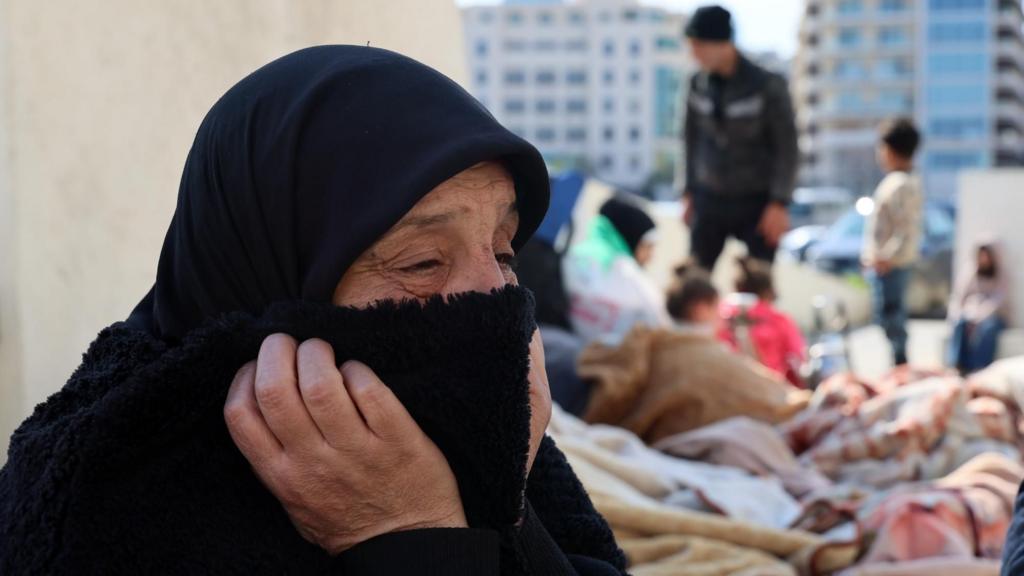
Lebanon, a nation already fractured by unprecedented economic, political, and social crises, stands on the brink of a new abyss. Hezbollah, the powerful Shiite armed group with deep influence in the Lebanese government, is accused of dragging the country into a regional conflict that threatens to consume what remains of its stability. Internationally isolated and facing growing internal pressure, the Iranian-backed movement finds itself at a dangerous crossroads, where its actions on the border with Israel could trigger a devastating escalation.
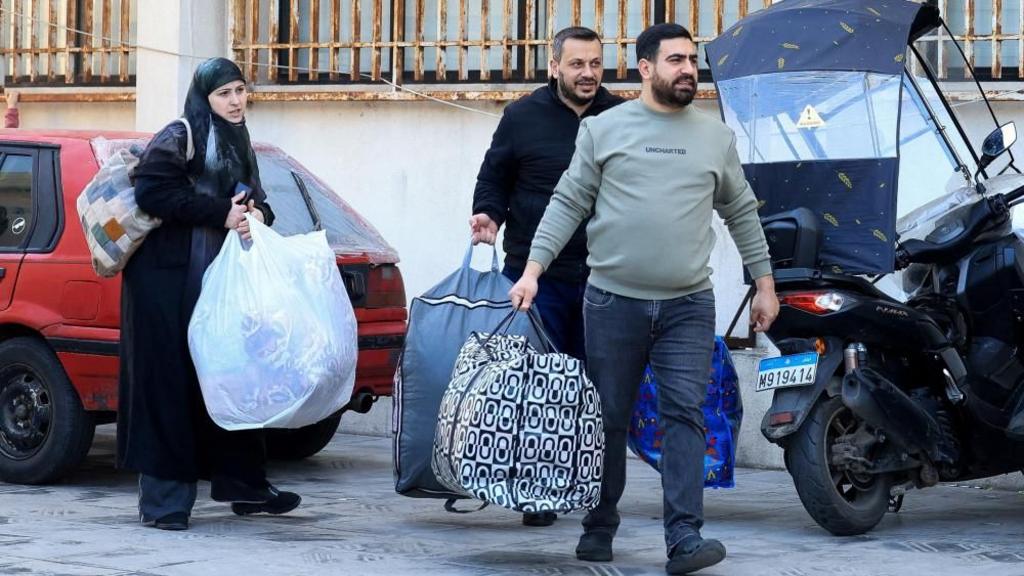
The current context is marked by a series of border clashes between Hezbollah and Israel, the most severe since the 2006 war. These exchanges of fire, including rocket, drone, and artillery attacks, have created a de facto exclusion zone in southern Lebanon, displacing tens of thousands of civilians on both sides of the border. The tension is framed within the broader conflict in Gaza, where Hezbollah positions itself as part of the 'Axis of Resistance,' seeking to open a northern front to relieve pressure on Hamas. However, this strategy carries an immense cost for Lebanon, whose already collapsed economy and fragile political system cannot withstand another large-scale conflict.
The data is telling. According to the UN, more than 90,000 people have been displaced in southern Lebanon since October. The Lebanese economy, which had already lost over 40% of its GDP since 2019, faces a new round of disasters. Tourism, a vital source of income, has evaporated. 'Each day of tension on the border costs the Lebanese economy millions of dollars it does not have,' Lebanese economist Nassib Ghobril recently stated in an interview with Reuters. Internally, Hezbollah faces growing isolation. Significant sectors of the Christian and Sunni population, as well as part of the traditional political class, openly criticize that the group's decisions are subject to Tehran's interests, not Beirut's. 'Hezbollah is playing with fire, and all Lebanese will pay for the burns,' stated Samy Gemayel, leader of the Christian Kataeb party, in a public speech.
The impact of a full-scale war would be apocalyptic for Lebanon. The country's infrastructure, never fully recovered from previous wars, would be destroyed. The power grid, already collapsed, would cease to function. The shortage of medicine, fuel, and food, already critical, would turn into famine. Furthermore, there is a real risk of social fracture and a return to sectarian violence. Regionally, a conflagration would open a front directly involving Iran and Israel, with the potential to drag in other actors and further destabilize the Middle East. Statements from Israeli leaders have grown increasingly bellicose, promising a 'devastating' response if Hezbollah intensifies its attacks.
In conclusion, Hezbollah is trapped in a dangerous dynamic. Its need to demonstrate strength and loyalty to its ideological axis clashes head-on with the reality of a Lebanese state on the verge of total collapse. The international community, with the exception of a few actors, watches with alarm but has limited room for maneuver, given Iran's deep influence over the group. Lebanon, once again, pays the price for being a battlefield for proxy conflicts. The question hanging in the air is whether Hezbollah's leadership will prioritize the survival of the state in which it operates or whether, in its quest to maintain its 'resistance' status, it will lead the nation to a destruction from which it may not recover for generations. The historical responsibility is immense, and the clock of diplomacy is ticking against a people exhausted by crisis.