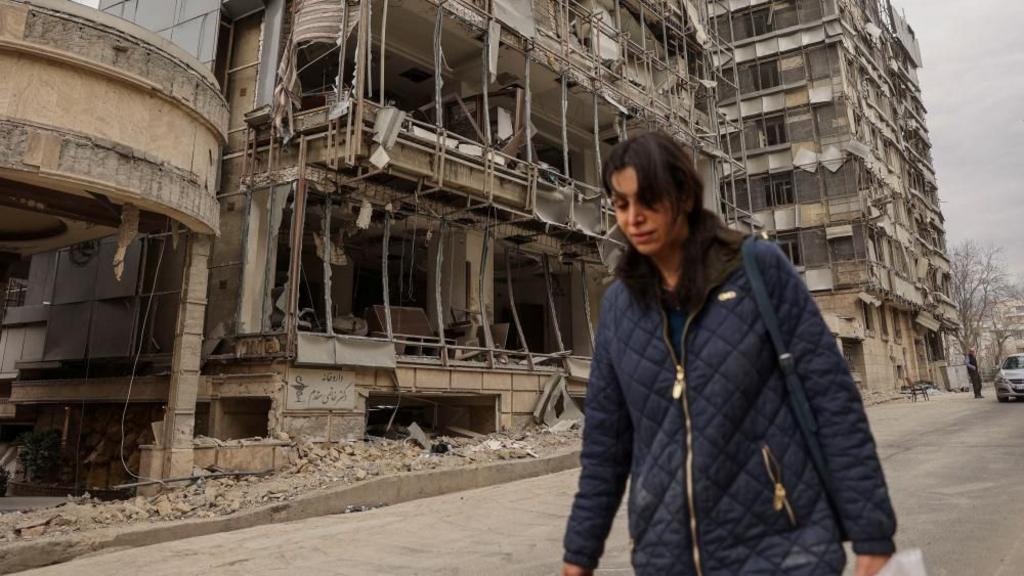
Chilling testimonies are emerging from Iran following recent coordinated airstrikes by the United States and Israel against military and infrastructure targets within the country. Iranian citizens, who requested anonymity for fear of reprisals, describe scenes of chaos and terror as massive explosions shook cities in the early hours. "It was as if the sky was falling. The hits were so powerful that our building's windows vibrated for what felt like an eternity, and we felt the shockwave in our chests," recounts a resident of Isfahan, one of the affected areas. The operations, which Western authorities justify as a response to imminent threats against allied interests, have opened a new and dangerous chapter in the already tense relations between the West and the Islamic Republic.
The context for these strikes stretches back months of shadow escalation, with accusations against Iran of fueling regional conflicts through proxy groups and accelerating its nuclear program. The United States and Israel have maintained a policy of "maximum pressure" against Tehran for years, combining devastating economic sanctions with discrete military operations. However, the scale and publicity of these latest bombardments represent a notable intensification. Security analysts consulted indicate that the targets included research facilities linked to drone and long-range missile development, as well as command centers of the Revolutionary Guard. Although Iranian authorities have downplayed the damage, claiming their air defenses intercepted most of the projectiles, independent satellite imagery and ground testimonies suggest significant impacts.
"There was no warning. Just the deafening sound of explosions. My family and I ran to the air-raid shelter we have in the basement. The panic was palpable. When we came out, the smell of gunpowder and smoke filled the air," shared another witness from Kermanshah province. The immediate humanitarian impact, according to local human rights organizations, includes at least a dozen civilians injured by shrapnel and broken glass, in addition to extensive damage to residential properties near the military targets. The Iranian government has convened an emergency meeting of the National Security Council and has promised a "decisive and calculated response," stoking fears of a spiral of retaliation that could ignite the entire Middle East region.
Official statements from Washington and Tel Aviv have been measured but firm. A Pentagon spokesperson stated: "The operations were necessary, proportionate, and precise, targeting capabilities that pose a direct threat to U.S. forces and our allies. We do not seek a wider war, but we will defend our interests." For his part, the Israeli Prime Minister emphasized his country's "inherent right to self-defense." The international community is reacting with deep concern. The UN Secretary-General made an urgent call for "maximum restraint" and to resume diplomatic dialogue, warning that the cost of open conflict would be "catastrophic for global stability." Oil markets have already experienced extreme volatility, with prices soaring on fears of supply disruptions from the Persian Gulf.
As the dust settles over the blast craters, the question dominating geopolitical circles is: What comes next? Iran has a history of responding through indirect channels, utilizing its network of militias in Iraq, Syria, Lebanon, and Yemen. A significant escalation could drag multiple actors into a broad-spectrum conflict. For Iranian citizens, caught between the warlike rhetoric of their government and the military might of the West, the priority is daily survival. "We live with the constant fear that the sky will light up again," confesses a university professor in Tehran. This event is not an endpoint, but a dangerous inflection point that redefines the boundaries of confrontation and leaves the region, and the world, holding its breath awaiting the next move.