The Indian government has issued an ordinance imposing a strict three-hour deadline for major social media platforms to remove content deemed unlawful by authorities. This measure, announced by the Ministry of Electronics and Information Technology, represents a significant tightening of existing regulations and has sparked intense debate over free speech, digital platform accountability, and cyber sovereignty. The new rule falls under amendments to the Information Technology (Intermediary Guidelines and Digital Media Ethics Code) Rules, 2021, colloquially known as the 'IT Rules'.
The context for this decision lies in a global landscape where governments worldwide are seeking greater control over online content, particularly related to misinformation, hate speech, incitement to violence, and threats to national security. India, with over 800 million internet users and one of the world's largest digital markets, has been at the forefront of this regulatory debate. Indian authorities argue that the rapid spread of false and harmful content during critical events, such as protests, elections, or public health crises, requires more agile response mechanisms to protect public order and social harmony.
According to the order's details, the three-hour deadline applies specifically to content flagged as an 'imminent threat' to public safety and order. This would include, as per government definitions, material that incites violence, disrupts national unity, or contains sexual obscenity. For other types of unlawful content identified by court orders or notifications from designated government agencies, the compliance timeline remains at 24 hours, as per previous rules. Technology companies, termed 'significant digital intermediaries' under Indian law, are mandated to comply with these takedown requests and establish robust in-platform grievance and appeal mechanisms. Non-compliance could result in the loss of immunity for third-party content, exposing companies to potential legal action and criminal liability.
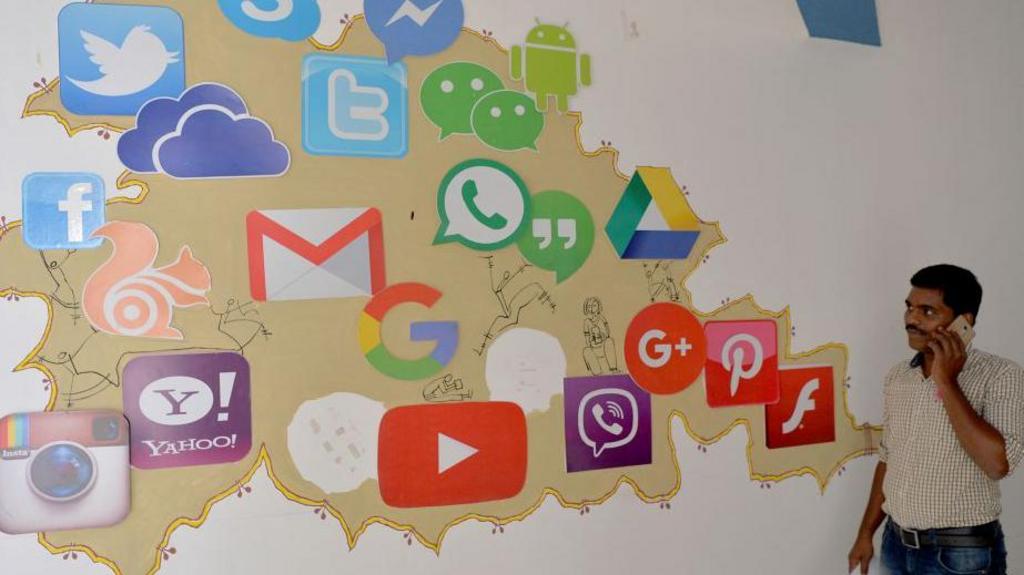
The reaction from the tech industry has been cautious and concerned. Representatives from major companies like Meta (owner of Facebook and Instagram), Google (owner of YouTube), and X (formerly Twitter) have privately expressed, according to reports, their worries about the operational feasibility of such a short deadline and the risk of over-broad or erroneous moderation. A spokesperson for an industry coalition, who requested anonymity, stated: 'While we support efforts to keep platforms safe, extremely tight deadlines can undermine necessary review processes and lead to the removal of legitimate content, impacting users' freedom of expression.' On the other hand, regulation advocates, such as former national cybersecurity coordinator Rajesh Kumar, argue: 'The speed of online harm requires an equivalent speed in response. When a fake video triggers riots within hours, platforms cannot take days to act. This rule balances the need for safety with user rights.'
The impact of this policy is multifaceted. For citizens, it could mean reduced exposure to dangerous content but also raises the risk of arbitrary censorship if appeal mechanisms are not transparent and effective. For technology companies, it implies unprecedented operational and legal pressure, forcing them to drastically increase their content moderation teams in India and invest in more advanced, yet potentially fallible, automation systems. On a geopolitical level, this measure reinforces the trend toward a 'fragmented internet' or 'digital balkanization,' where national laws decisively shape the global flow of information, challenging the traditional unified governance model of global tech platforms.
In conclusion, India's three-hour content takedown order marks a turning point in the relationship between sovereign states and global technology giants. It reflects an assertive stance by a government prioritizing control over public discourse and national security in the digital realm. The success or failure of this policy will depend on its practical implementation, the clarity in defining 'imminent threat,' the effectiveness of appeal resources, and the platforms' ability to adapt their operations to an increasingly demanding and accelerated regulatory environment. This case will be closely watched by other countries considering similar measures, defining the future of internet governance in the coming decade.