Inflation in major economies has shown a significant slowdown in the last month, a phenomenon analysts primarily attribute to the sustained drop in fuel prices and a notable reduction in airfares. This decline in consumer price indexes offers a respite to households and monetary policymakers, who have been battling persistent inflationary pressures for months. The most recent data, published by national statistical agencies, confirms a downward trend that began to take shape at the end of the previous quarter but has solidified strongly in recent weeks.
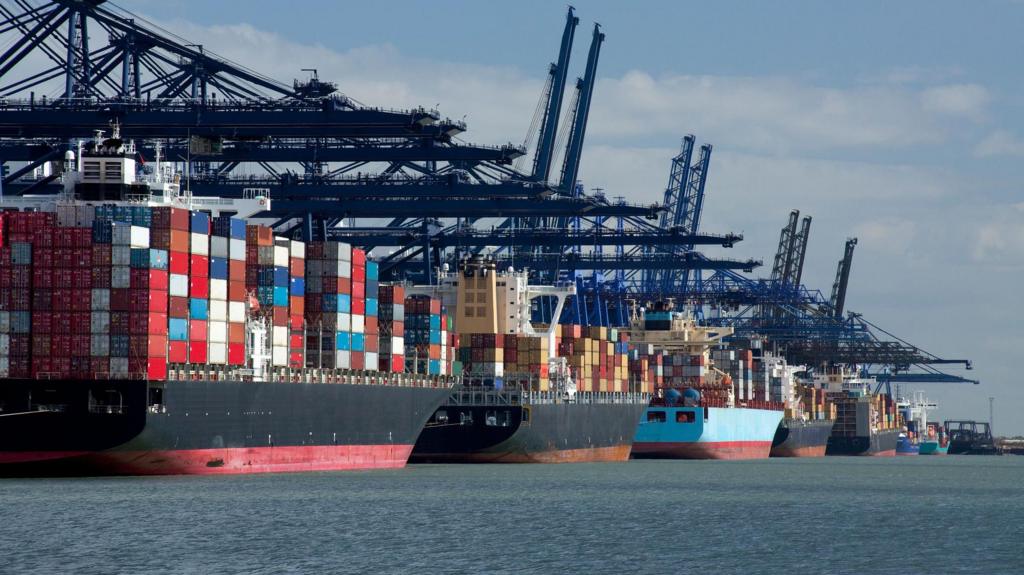
The context of this disinflation is complex and multi-faceted. Following the energy shock triggered by the war in Ukraine and post-pandemic supply chain disruptions, the global economy experienced a period of high inflation that eroded purchasing power and forced central banks to implement aggressive interest rate hikes. However, a combination of factors is now helping to alleviate these pressures. On one hand, crude oil prices have stabilized at levels significantly lower than the 2022 peaks, thanks to robust global production and moderated demand due to economic slowdown in some regions. On the other, the aviation sector, which had seen its operational costs soar, is experiencing a correction in ticket prices due to increased competition and a normalization of travel demand following the post-lockdown boom.
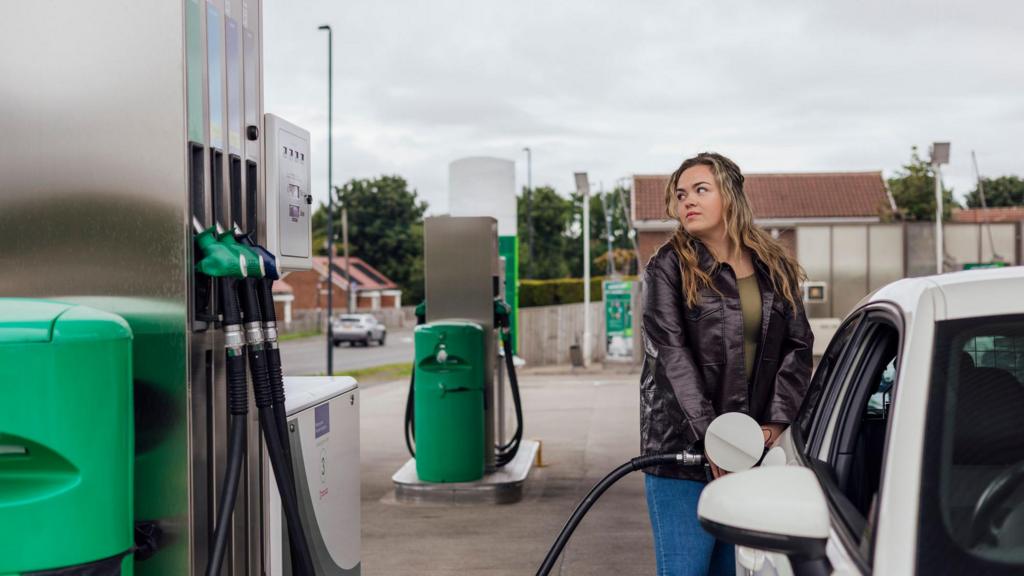
The concrete data is telling. According to the monthly report, the transportation component within the inflation basket recorded a 3.2% year-on-year drop, the largest decrease in a decade. Within this category, gasoline prices fell by 8.1%, while airfares were reduced by a surprising 12.4% compared to the same month last year. This dynamic has dragged down the overall consumer price index, which showed a year-on-year increase of 2.9%, approaching the 2% target range set by most central banks. Economists from the Global Financial Analysis Institute have stated that "the correction in energy and transportation prices is the main driver behind the current disinflation. We are seeing a positive spillover effect that is permeating other sectors of the economy."
Statements from policymakers reflect cautious optimism. The central bank president, in a recent appearance, stated: "This month's inflation data is encouraging and confirms that our policies are bearing fruit. The moderation in energy prices is a key factor, but we must remain vigilant, as core inflation, which excludes food and energy, remains more persistent." This warning indicates that while the outlook is improving, the challenges have not disappeared. Service prices and wages continue to show solid growth, which could keep inflationary pressure at a higher-than-desired level in the medium term.
The impact of this drop in inflation is profound and far-reaching. For consumers, it means immediate relief in essential expenses, such as filling up the fuel tank or planning family trips. For businesses, especially those with transport fleets or high logistical costs, it translates into greater financial leeway and reduced pressure on their final prices. In the macroeconomic sphere, this scenario gives central banks the possibility to pause, or even reverse, the cycle of interest rate hikes, which could stimulate investment and economic growth at a time of global uncertainty.
In conclusion, the recent inflationary slowdown, driven by falling fuel and airfare prices, marks a significant turning point in the post-pandemic economic landscape. While it is positive news that alleviates the burden on citizens' wallets and offers more options to policymakers, the battle against inflation is not won. The persistence of pressures in service prices and the evolution of wages will be critical factors to watch in the coming months. The sustainability of this trend will depend on the evolution of global energy markets, the dynamics of travel demand, and the ability of supply chains to maintain their normalization. For now, the global economy is breathing a little easier.