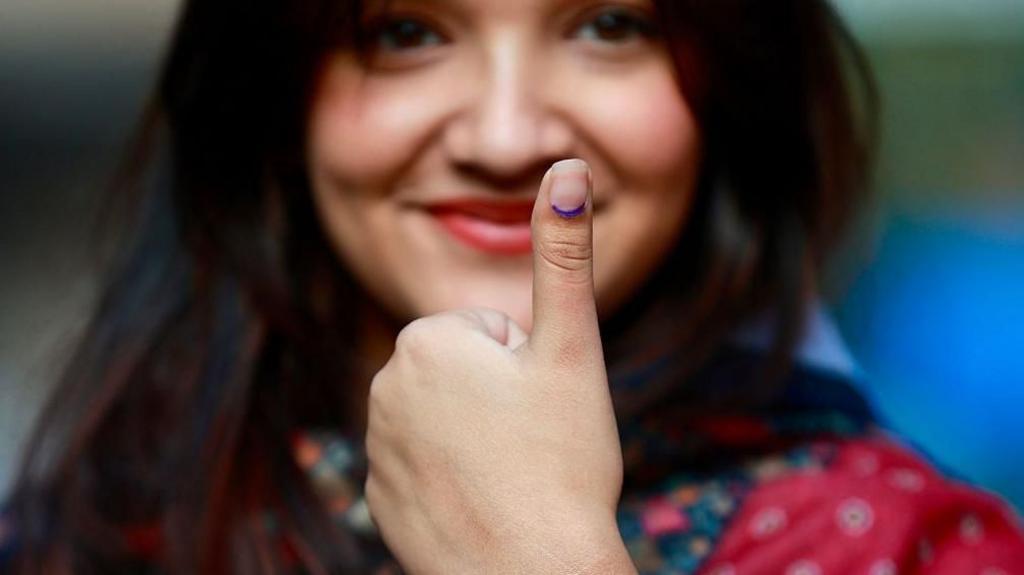
Citizens across Nepal headed to the polls on Sunday in historic local elections, the first to be held since a massive youth-led movement shook the political landscape of the Himalayan nation demanding profound change. The elections to choose mayors and representatives in 753 municipalities are seen as a crucial barometer of the national political climate and a test for traditional parties, which face a young, digitalized, and deeply disillusioned electorate. The day proceeded with moderate turnout and in a calm atmosphere, under a heavy security presence, marking a milestone in Nepal's fragile democracy.
The context of these elections cannot be understood without the citizen uprising of 2021, when thousands of young people, organizing primarily through social media, took to the streets of Kathmandu and other cities to protest against corruption, the mismanagement of the COVID-19 pandemic, and political stagnation. Under the slogan "Enough is Enough," the movement, lacking centralized leadership and traditional party affiliation, managed to force the resignation of then-Prime Minister KP Sharma Oli and put urgent demands for transparency, youth employment, and efficient public services on the national agenda. Two years later, the looming question is whether that momentum for change has translated into a new political force or has been absorbed by the system it criticized.
Preliminary data from the Election Commission shows a turnout of around 65%, slightly lower than in the 2017 local elections. Analysts suggest this figure could reflect both post-pandemic apathy and a cautious wait-and-see approach regarding whether candidates will fulfill their promises. The major parties, the Nepali Congress and the Communist Party of Nepal (UML), have campaigned intensely but have had to adapt their rhetoric to incorporate youth demands, speaking of digitalization, the fight against corruption, and job creation. Meanwhile, new groups and independent candidates, many of whom were activists during the protests, are running on platforms focused on local governance and accountability.
"These elections are a referendum on the political system's ability to renew itself," political analyst Srijana K.C. told the media. "Young people don't just want a change of faces; they want a change in the rules of the game: less clientelism and more solutions to concrete problems like pollution in Kathmandu or the lack of infrastructure in rural areas." From the government, caretaker Prime Minister Pushpa Kamal Dahal 'Prachanda' called for peaceful participation, stressing that "democracy is strengthened when the voices of all generations are heard at the ballot box."
The impact of these results will extend far beyond local administration. They are considered a crucial prelude to the upcoming general and provincial elections, scheduled for late this year, and could redefine national alliances. A strong performance by young, independent candidates would demonstrate the existence of a political space outside traditional parties and could pressure legislative anti-corruption reforms. Conversely, a clear victory for traditional party machinery might indicate that the system has successfully channeled discontent without altering its fundamental power structures.
In conclusion, Nepal is experiencing a moment of demographic and political transition. These local elections, colored by the legacy of the recent youth uprising, are more than a simple renewal of municipal offices; they represent a struggle between old politics and the new aspirations of a generation that is globally connected but locally frustrated. True change, however, will not be measured solely by today's results, but by the ability of those elected to translate campaign promises into tangible governance that improves citizens' lives and restores trust in institutions. The path toward a more mature and responsive democracy in Nepal has just faced one of its most significant tests.