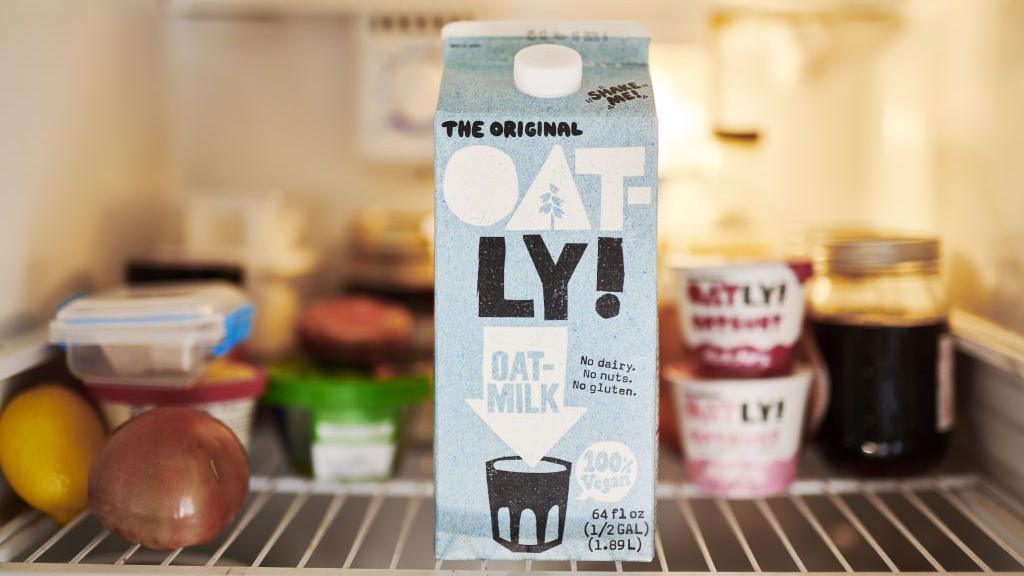
In a ruling that sets a significant precedent for the food industry, Swedish plant-based beverage company Oatly has lost a protracted legal battle against the powerful European dairy lobby over the use of the term 'milk' to describe its oat-based products. The Court of Justice of the European Union (CJEU) ruled that, in accordance with EU regulations, designations such as 'milk', 'yogurt', or 'cheese' are reserved exclusively for products of animal origin, specifically those from the milking of animals. This verdict ends years of disputes and marketing campaigns by Oatly, which had openly challenged these regulations with slogans like 'It's like milk, but made for humans'.
The context of this decision dates back to decades of regulation in the European Union, where rules such as Regulation (EU) 1308/2013 establish a 'list of reserved products' to protect the traditional designations of dairy products. The stated goal is to prevent consumer confusion and ensure fair competition. However, the explosion of the plant-based alternatives market, which has been growing at an annual rate of over 10% in Europe, has brought these rules under new scrutiny. Oatly, founded in the 1990s and valued at billions after its IPO, had become the standard-bearer for this challenge, arguing that the rules are outdated and limit clear consumer information.
Sector data is telling. According to a 2023 report by consultancy Nielsen, sales of plant-based beverages in the EU exceeded €3.5 billion, with oat milk leading the growth. In parallel, the traditional dairy sector, which generates over €150 billion annually in the EU, has exerted constant pressure through organizations such as the European Dairy Association (EDA) and the Committee of Professional Agricultural Organisations (COPA-COGECA). These entities welcomed the ruling, claiming it 'protects the integrity of dairy denominations and clarity for European consumers,' according to an EDA statement.
Statements from both sides reflect the depth of the disagreement. Toni Petersson, CEO of Oatly, expressed his disappointment in a statement: 'This ruling is a step backward for food innovation and transparency. Modern consumers are not confused; they understand perfectly well that oat milk comes from oats. Laws must evolve with the times.' In contrast, Alexander Anton, Secretary General of the EDA, stated: 'It is a victory for common sense and European legislation. Dairy terms have a specific historical, cultural, and nutritional meaning that must be preserved.'
The impact of this decision is multifaceted. First, Oatly and other similar brands (such as Alpro or Provamel) will have to review their marketing and labeling in the EU, possibly removing direct references like 'milk' or using phrases such as 'oat drink.' This could entail relabeling costs and loss of brand recognition. Second, it opens a broader debate on food regulation in the era of sustainable alternatives. Many food law experts, such as Professor Amandine Van der Aa from Wageningen University, point out that 'current legislation does not reflect market reality or consumer demands for more climate-smart products.'
Finally, the ruling could influence global policies. While in the United States the FDA (Food and Drug Administration) is debating similar regulations, and in countries like Brazil restrictions already exist, the CJEU's decision could strengthen the arguments of dairy lobbies internationally. However, it could also drive greater innovation in the naming of plant-based products, moving away from traditional terms. In conclusion, this legal battle transcends Oatly; it is a turning point in the struggle between established and emerging industries, between traditional protection and adaptation to the future of food. The pressure now falls on legislators to modernize rules without sacrificing clarity, in a world where sustainability and diversified dietary choices are increasingly central.