Global energy markets experienced a sharp correction this Wednesday, with crude oil prices recording one of their steepest declines in weeks. The trigger was a public statement from former U.S. President Donald Trump, who warned Iran against any attempt to disrupt maritime traffic in the strategic Strait of Hormuz. In a message posted on his social media platform, Trump stated: 'If Iran closes the Strait of Hormuz, it will be the end of their regime. The United States will not allow it.' This warning, initially perceived as a geopolitical risk factor that could send prices soaring, had the opposite effect on markets. Analysts interpreted Trump's words as a signal of an extremely firm and deterrent U.S. posture, temporarily reducing the risk premium associated with a potential closure of the strait.
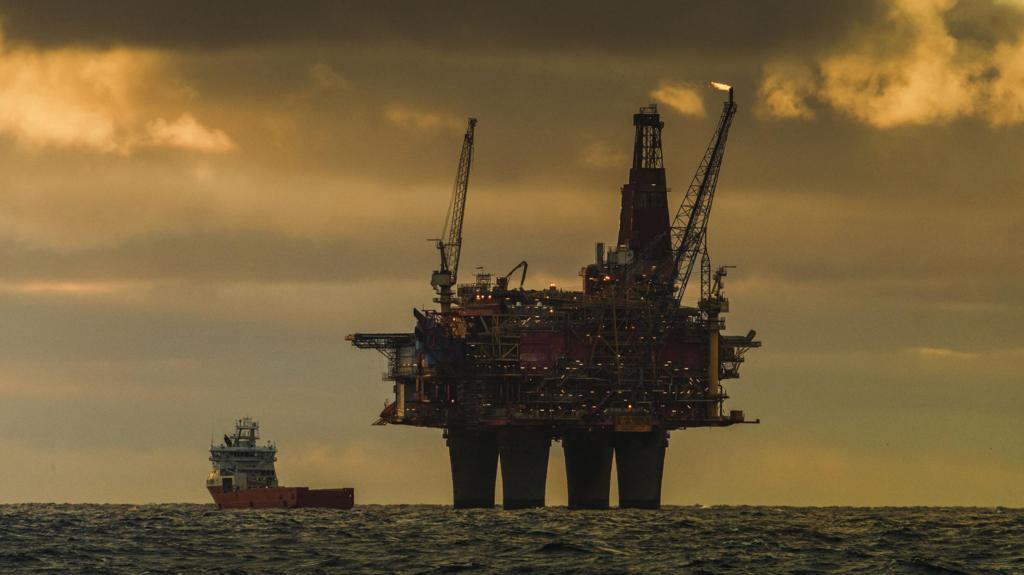
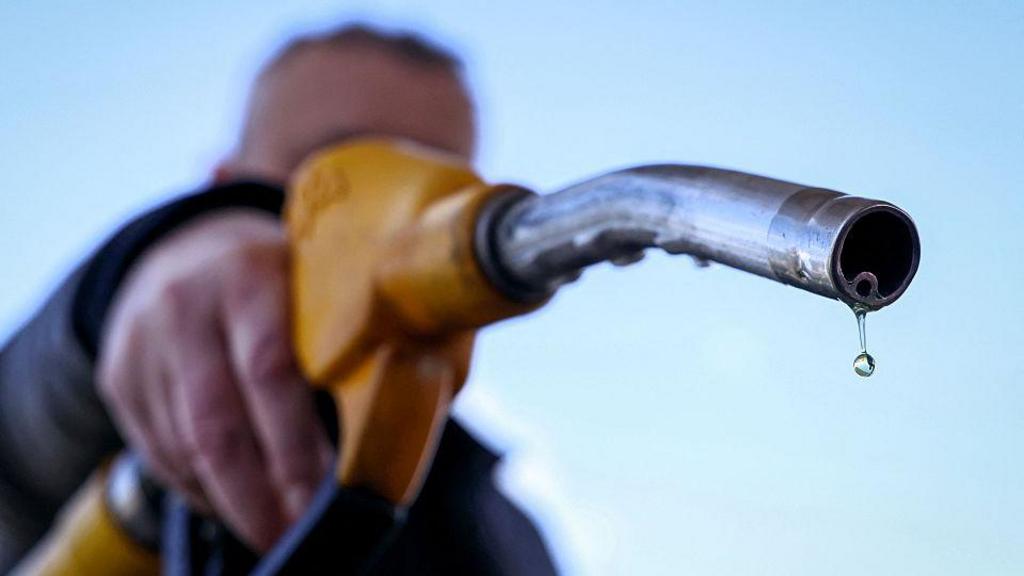
The context for this statement is a long-standing escalation of tensions in the Persian Gulf. The Strait of Hormuz is one of the world's most critical energy transportation arteries, with approximately one-fifth of globally consumed oil and one-third of traded liquefied natural gas passing through its waters. Any threat to this maritime route has historically been a catalyst for volatility in crude prices. However, the market reaction suggests that traders may be discounting a lower probability of an immediate physical disruption, trusting that Washington's explicit stance will serve as a sufficient deterrent. The benchmark international Brent crude fell more than 3.5%, trading below $82, while the U.S. West Texas Intermediate (WTI) retreated 4%, approaching $78.
Sector experts offer mixed perspectives. 'The market reacted in a paradoxical but logical manner,' commented Fatih Birol, Executive Director of the International Energy Agency (IEA). 'An explicit threat from a superpower can, in the short term, calm nerves more than ambiguous rhetoric, because it establishes very clear red lines. Traders are betting that Iran will not risk a direct confrontation.' On the other hand, analysts at Goldman Sachs noted in a client memo that volatility could quickly return. 'Deterrence reduces short-term risk but does not eliminate the underlying causes of tension. Iranian oil production, sanctions, and proxy group activity remain flammable factors,' they warned.
The immediate impact was felt beyond crude futures. Shares of major oil companies like ExxonMobil, Shell, and BP also fell on European and U.S. stock exchanges. Conversely, airlines and transportation companies, whose costs are tied to fuel prices, saw a rebound in their shares. At a macroeconomic level, a sustained drop in oil prices could ease inflationary pressures in net oil-importing economies, such as those of the European Union, India, and Japan, potentially giving their central banks more room to maneuver. However, for exporting countries within OPEP+, like Saudi Arabia and the United Arab Emirates, a prolonged decline could jeopardize their ambitious economic diversification and budgetary plans.
The conclusion is that the oil market remains a hyper-sensitive barometer of geopolitics. Trump's warning, although from a figure who does not currently hold an official office, still carries significant weight in risk perception. The episode underscores the fragility of the balance in the Gulf and how the rhetoric of major powers can move billions of dollars in a matter of minutes. The lingering question is whether this price calm is the prelude to a greater storm or whether, indeed, deterrence will succeed in keeping this vital maritime route open for the global economy in the coming months. The international community will watch Tehran's response closely, which so far has been limited to describing the statements as 'provocative and irresponsible.'