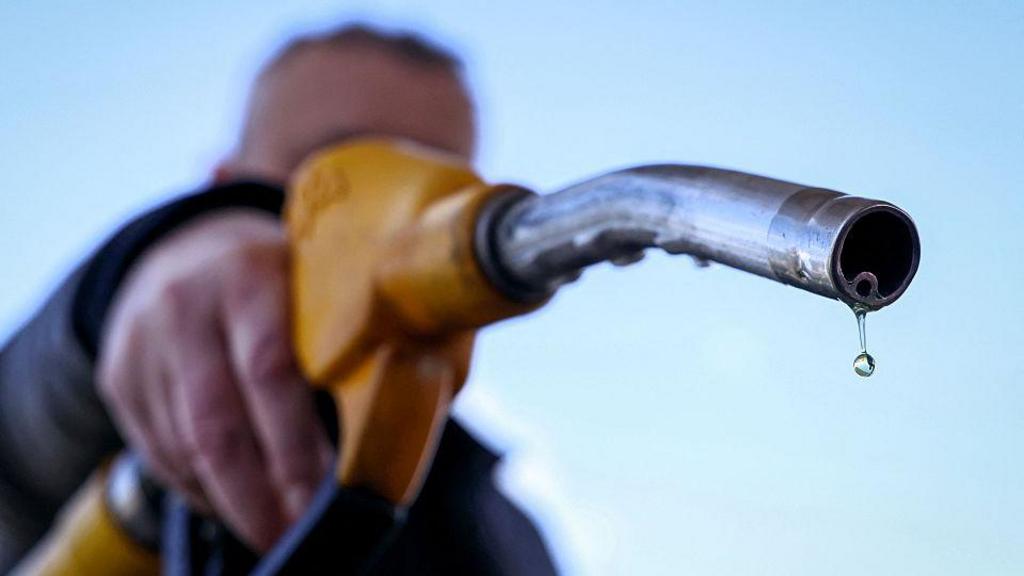
The price of crude oil is far more than a number on a trading screen; it is a fundamental thermometer of the global economy, a geopolitical trigger, and a determining factor in the daily lives of billions. While many consumers only notice its direct impact on the cost of filling a gas tank, the ripple effects of its fluctuations affect everything from inflation and interest rates to the stability of entire nations and the transition to cleaner energy. Understanding its dynamics is essential to deciphering today's world.
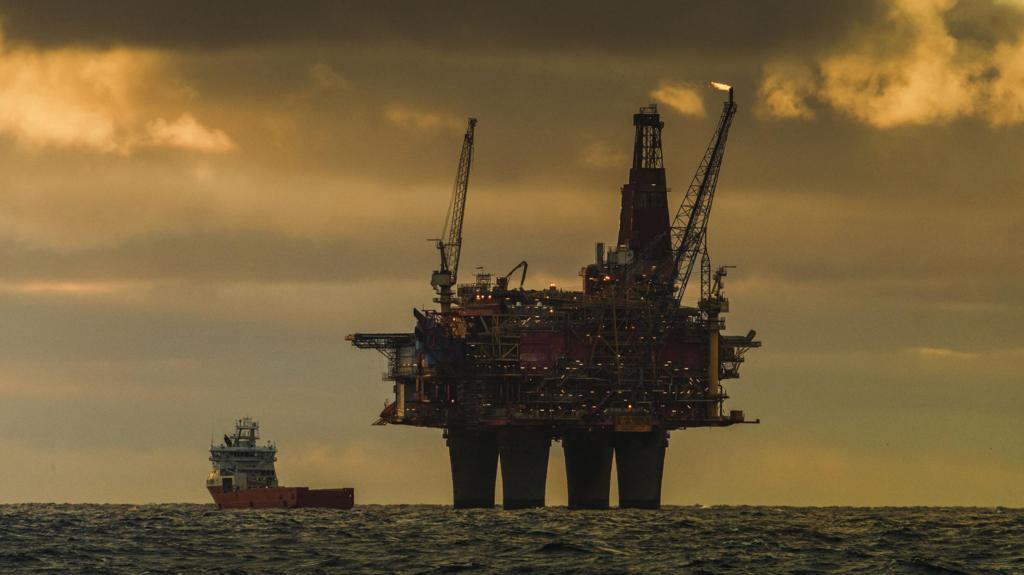
Oil is the planet's primary source of primary energy, accounting for roughly one-third of global energy consumption. Its price is set in international markets, mainly the Brent crude futures contracts (the benchmark for Europe, Africa, and the Middle East) and West Texas Intermediate (WTI, the benchmark for the Americas). These prices are extraordinarily volatile, responding to a complex web of factors. Supply is largely controlled by the Organization of the Petroleum Exporting Countries and allies (OPEC+), led by Saudi Arabia and Russia, whose decisions to cut or increase production can move markets overnight. On the demand side, the economic growth of powers like China, India, and the United States is the main engine. Geopolitical events—such as conflicts in the Middle East, sanctions on producers like Iran or Venezuela, or the war in Ukraine—add a constant layer of unpredictability.
The economic impact is profound and multifaceted. For exporting countries, a high price means massive fiscal revenues, generous state budgets, and amplified geopolitical power. For net-importing nations, like most of Europe and Asia, an expensive barrel acts as a regressive tax, draining foreign exchange, widening trade deficits, and fueling inflation. Oil is a key component in the costs of transportation, logistics, manufacturing, and agriculture (through fertilizers and machinery). Therefore, a sustained increase often forces central banks to maintain or raise interest rates to contain prices, which can slow economic growth and affect global financial markets.
Statements from key actors highlight this importance. Fatih Birol, Executive Director of the International Energy Agency (IEA), has warned that "oil market volatility remains a major risk for the global economy at a time of fragility." Meanwhile, analysts from institutions like Goldman Sachs note that oil is still the "most strategic commodity" and that its price is a leading indicator of inflationary pressures. The interdependence is such that even the energy transition is affected: high prices accelerate the search for alternatives and the adoption of electric vehicles, while low prices can discourage investments in renewable energy by making fossil fuels more competitive in the short term.
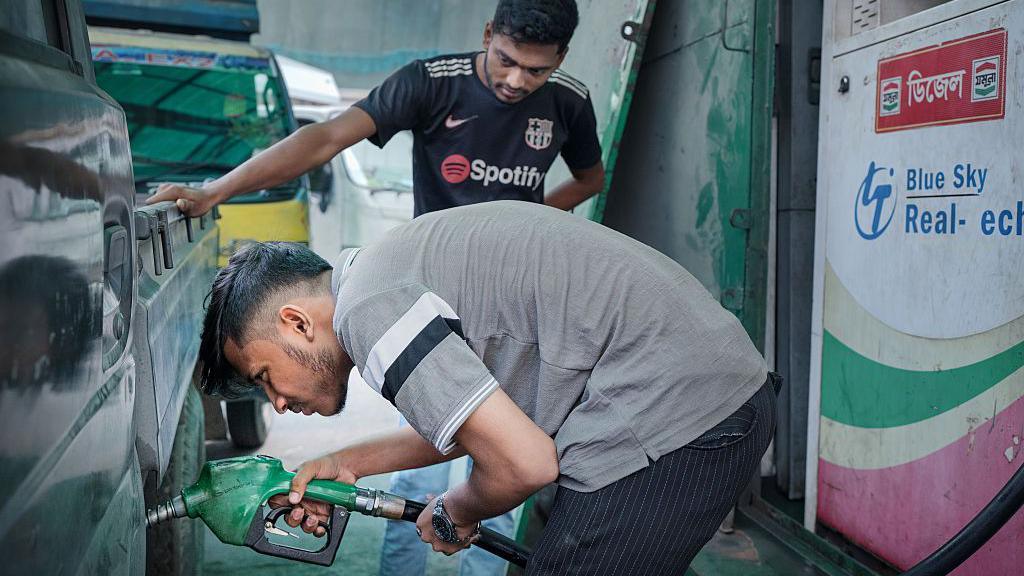
The ultimate impact falls on citizens. Expensive oil translates not only into costlier gasoline and diesel but also higher prices for food, manufactured goods, and heating services. This erodes purchasing power, especially for lower-income households, which spend a larger percentage of their budget on energy and transportation. Geopolitically, the flow of petrodollars funds infrastructure projects, armies, and political agendas, giving producer countries disproportionate influence in international affairs. The stability of entire regions, such as the Persian Gulf, is intrinsically linked to oil revenues.
In conclusion, the price of oil is a central axis around which a significant part of modern human activity revolves. Its influence extends from the macro-decisions of governments and central banks to the pocket of every consumer. In a world seeking to gradually decouple from hydrocarbons, its relevance persists, reminding us that the oil age is far from over and that its quotation will remain, for a long time, a crucial piece of data for understanding the fluctuations of the global economy, politics, and society.