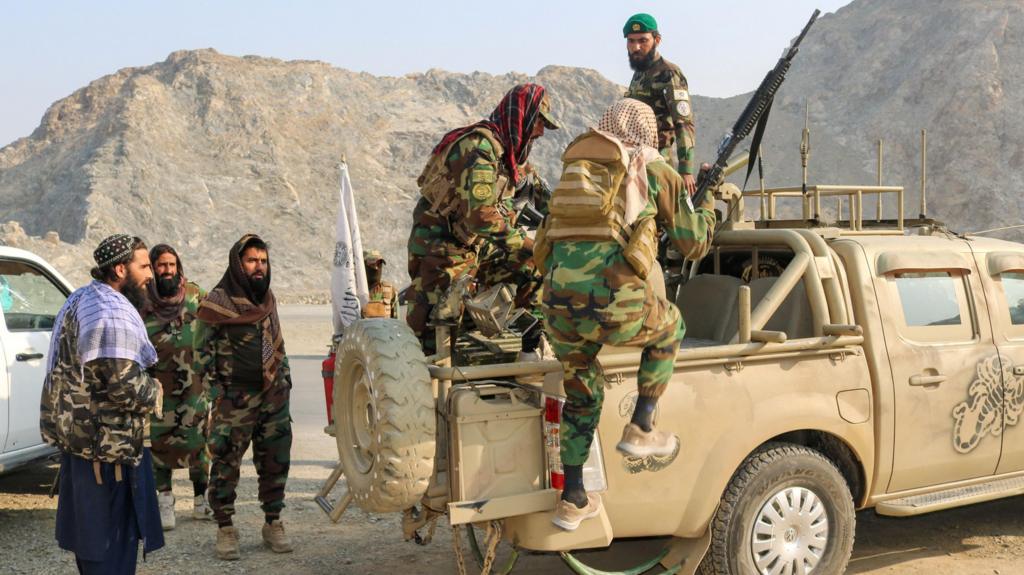
Relations between Pakistan and Afghanistan, historically tense, have reached a new boiling point following a series of cross-border attacks and mutual accusations that threaten to further destabilize an already volatile region. The latest episode of violence, which included Pakistani airstrikes inside Afghan territory and the subsequent shelling of border posts by Taliban forces, has resulted in the deaths of at least eight civilians, according to reports from both sides. This confrontation represents the most serious escalation since the Taliban retook power in Kabul in August 2021, testing the fragile diplomacy between Islamabad and the de facto government in Afghanistan.
The context for this escalation dates back decades of mistrust, with Pakistan historically accusing Afghan governments of harboring militants who attack its territory, particularly the Tehrik-i-Taliban Pakistan (TTP). Since the Taliban victory, Islamabad had hoped the new regime in Kabul would control these groups. However, attacks from Afghan soil have not ceased; according to Pakistani authorities, they have increased in frequency and lethality. In response, the Pakistani military has carried out what it calls "intelligence-based operations" inside Afghanistan, arguing the right to self-defense against what it labels a "safe haven" for terrorists. For its part, the Taliban government has vehemently denied these accusations, stating it does not allow its territory to be used for attacks against any country, and has condemned the Pakistani incursions as a flagrant violation of Afghan sovereignty.
Relevant data indicates a significant increase in violence in the border region. According to the Pakistan Institute for Conflict and Security Studies, attacks attributed to the TTP increased by over 60% in 2023 compared to the previous year. The 2,670-kilometer border, known as the Durand Line and never formally recognized by Afghanistan, remains a highly permeable zone for militants and smuggling. Statements from spokespersons have been forceful. Afghan Defense Minister Mullah Yaqoob stated, "We will not allow anyone to invade our territory under any pretext. The blood of our martyrs will not be in vain." Meanwhile, the spokesperson for Pakistan's Ministry of Foreign Affairs, Mumtaz Zahra Baloch, affirmed, "Pakistan has exercised its right to self-defense. Our operations are solely aimed at terrorists who threaten Pakistan's security."
The impact of this escalation is multifaceted and deeply concerning. Firstly, it endangers millions of civilians living on both sides of the border, a region already impoverished and affected by recurrent droughts. Secondly, it threatens to derail regional and international diplomatic efforts to achieve minimal stability in Afghanistan, a country mired in a catastrophic humanitarian crisis. Furthermore, it could reignite internal ethnic conflicts, particularly in Pakistan's tribal areas, and complicate Pakistan's relations with other key actors like China, which has significant investments in the region through the China-Pakistan Economic Corridor (CPEC). The situation also forces a reassessment by Western powers who had seen Pakistan as a potential channel of communication with the Taliban.
In conclusion, the latest chapter of tension between Pakistan and Afghanistan underscores the deep and persistent instability at the heart of Asia. While the Taliban government struggles to consolidate its control and manage an economy on the brink of collapse, pressure from Pakistan adds a critical layer of complexity to its governance. For Islamabad, the security challenge posed by Afghanistan-based militants appears to outweigh any considerations of realpolitik with the Taliban. Without a credible and effective bilateral dialogue mechanism, backed by the international community, the cycle of attacks and reprisals risks intensifying, with unpredictable consequences for regional and global security. Stability in South Asia inevitably hinges on finding a solution to this entrenched border conflict.