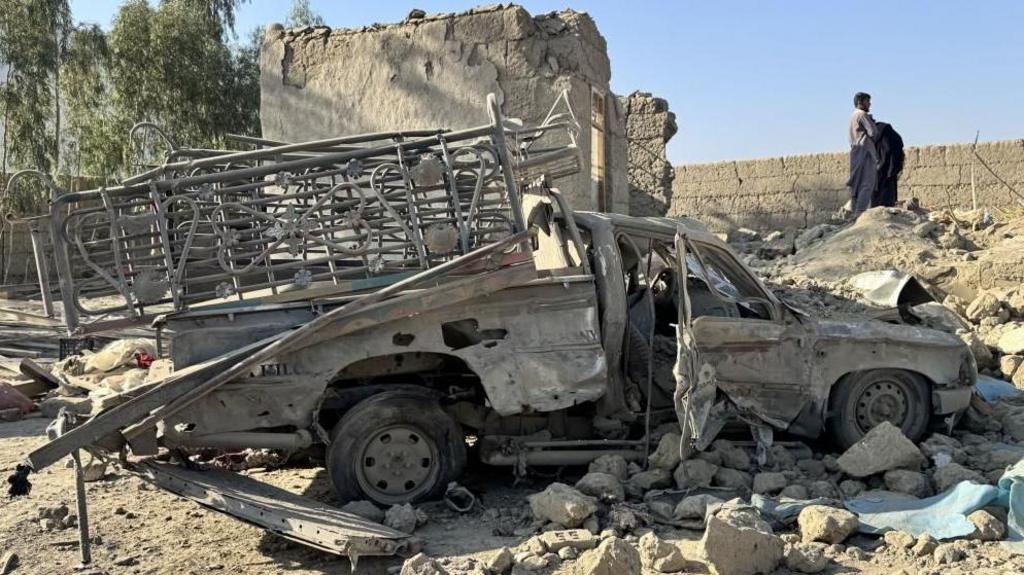
In a significant escalation of border tensions, Pakistani military forces have carried out a series of airstrikes inside Afghan territory, as confirmed by authorities from both countries. The Taliban government in Afghanistan has denounced the bombings, stating they have resulted in the deaths of at least 47 civilians, including women and children, and injured many more. The strikes, which according to Pakistani security sources focused on areas in eastern Afghanistan, represent one of the most direct and lethal cross-border military actions since the Taliban retook power in Kabul in August 2021.
The context for this military operation is rooted in a long-standing dispute over the porous 2,640-kilometer border, known as the Durand Line, which Pakistan recognizes as an international frontier but which successive Afghan governments, including the current Islamic Emirate, have never formally accepted. More immediately, Islamabad has repeatedly accused militants from the Tehrik-e-Taliban Pakistan (TTP) group, often referred to as the Pakistani Taliban, of using sanctuaries on Afghan soil to plan and launch deadly attacks inside Pakistan. Just in the past week, a series of insurgent attacks in Pakistan's Khyber Pakhtunkhwa province, which borders Afghanistan, left several Pakistani soldiers dead, increasing pressure on the government and military to respond forcefully.
A spokesperson for Pakistan's Ministry of Defense, in a brief statement, described the strikes as 'intelligence-based operations' targeted at 'hideouts used by terrorists responsible for recent terrorist activities in Pakistan.' The statement added that 'Pakistan respects the sovereignty and territorial integrity of Afghanistan' but that the aim was 'to secure its citizens.' In stark contrast, the chief Taliban spokesman, Zabihullah Mujahid, issued a forceful condemnation, calling the attacks 'a blatant violation of Afghanistan’s sovereignty' and an 'irresponsible action that could have very bad consequences.' Mujahid stated, 'The people and government of the Islamic Emirate of Afghanistan do not allow anyone to invade their territory under any pretext.'
Casualty figures remain contested. While Taliban authorities report dozens of civilian deaths, Pakistani security sources, speaking on condition of anonymity, suggest the targets were militant training camps and that the casualties were TTP fighters. Human rights organizations and UN agencies with a presence in the region have called for immediate and impartial access to the affected areas to verify the claims and assess humanitarian needs. The impact of these strikes is profound and multi-faceted. Firstly, it places severe strain on the already fragile diplomatic relations between Islamabad and the de facto Taliban government. Despite not formally recognizing the emirate, Pakistan has maintained one of the most open channels of communication with Kabul, viewing it as a crucial actor for regional stability.
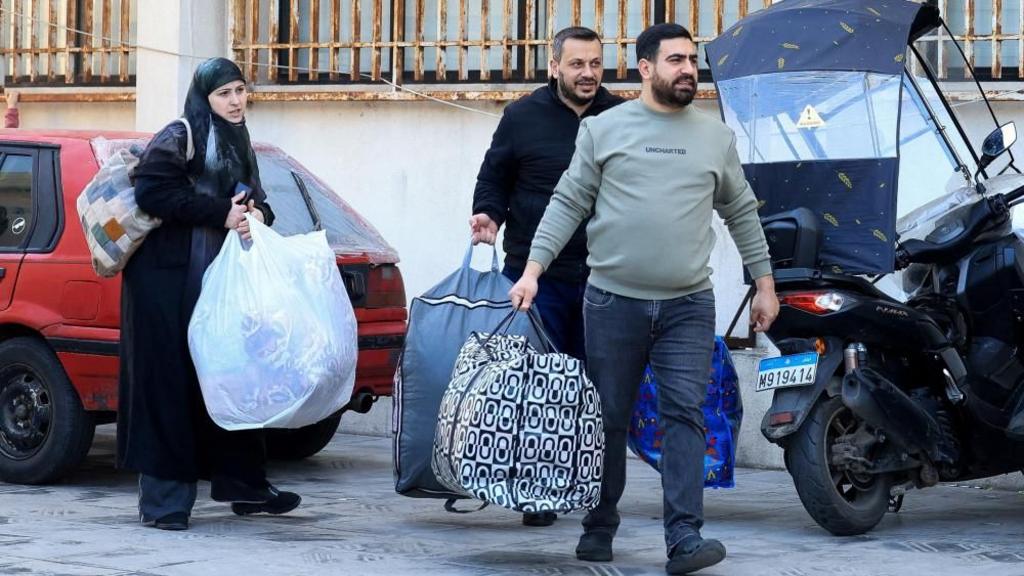
Secondly, the military action threatens to further destabilize an already volatile border region, potentially triggering a spiral of retaliation and increased militancy. The TTP, which is ideologically aligned with but organizationally distinct from the Afghan Taliban, could be spurred to intensify its campaign inside Pakistan. Finally, there is a significant humanitarian risk. The border provinces of both countries host vulnerable populations that have endured decades of conflict, displacement, and economic hardship. A new cycle of violence could prompt fresh displacement of civilians and hamper aid efforts.
In conclusion, Pakistan's airstrikes inside Afghanistan mark a dangerous turning point in the complex security dynamics of South Asia. They underscore the limits of Islamabad's patience with what it perceives as the Afghan Taliban's inaction against militant groups opposed to Pakistan. While rhetoric from both sides remains tough, the international community, including powers like China which has significant interests in the stability of both countries, will likely pressure for restraint and dialogue. The path forward will require an immediate military de-escalation followed by serious diplomatic talks to address Pakistan's security grievances within the framework of respecting Afghan sovereignty. The cost of failure could be a new border war in a region yearning for peace after decades of conflict.