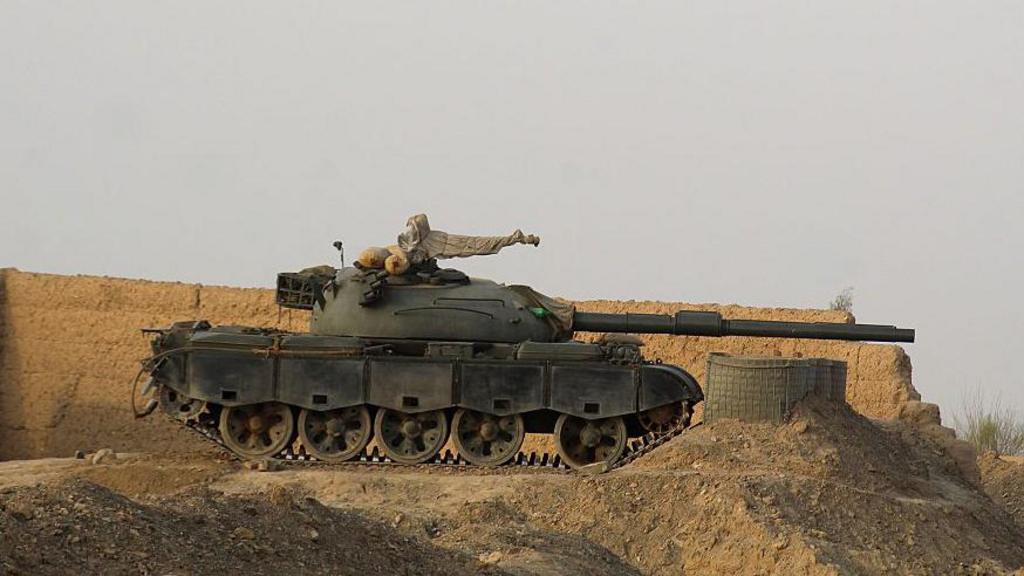
Tensions between Pakistan and Afghanistan have escalated to a critical level, with Pakistan's Defense Minister declaring that both countries are in a state of "open war." This statement follows a series of airstrikes and military operations conducted by Pakistan in Afghan territory, which, according to Islamabad, targeted sanctuaries of militants from the Tehrik-e-Taliban Pakistan (TTP) movement. The Pakistani government accuses the Taliban authorities in Kabul of providing a safe haven to these groups, allowing them to plan and execute attacks within Pakistan. Defense Minister Khawaja Asif stated in a televised address that "there is no other option" and that Pakistan is "in open war" with Afghanistan, marking a turning point in already strained bilateral relations.
The context of this escalation dates back to decades of instability in the border region, known as the Durand Line—a porous 2,670-kilometer border that has never been fully recognized by Afghanistan. Since the Taliban's takeover in 2021, Pakistan has repeatedly expressed concern over rising militant activity, with TTP attacks resulting in hundreds of Pakistani casualties, including civilians and security personnel. Data from the Pakistan Conflict Research Center indicates a 65% increase in terrorist attacks in 2023, many of which were claimed by the TTP. Pakistan maintains that these attacks are planned and launched from Afghan soil, an accusation the Taliban government categorically denies.
Minister Asif's statements included a direct warning: "We have asked the authorities in Kabul on multiple occasions to control these elements, but our pleas have fallen on deaf ears. Now, we reserve the right to act in self-defense wherever necessary." In response, Taliban spokesperson Zabihullah Mujahid condemned the Pakistani strikes as a "flagrant violation of Afghan sovereignty" and warned of "serious consequences" if they continue. This bellicose rhetoric has raised fears of a broader conflict in a region already plagued by instability, with potential implications for global security.
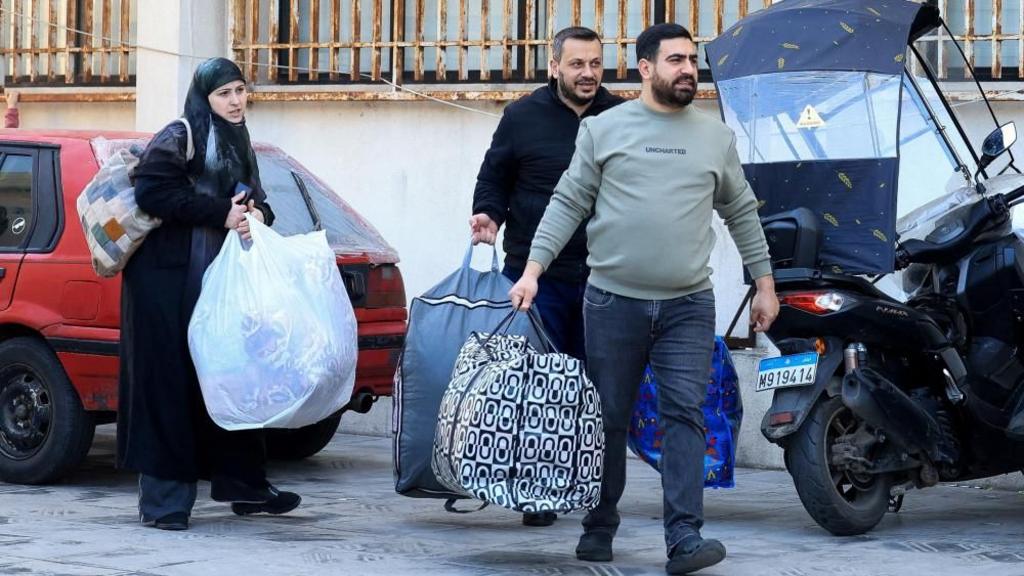
The impact of this escalation is multifaceted. Regionally, it threatens to further destabilize South Asia, affecting neighboring countries such as Iran, India, and China, all of which have strategic interests in Afghanistan. For civilian populations, especially in the border tribal areas, increased violence means displacement, loss of livelihoods, and a humanitarian downturn. Organizations like the UN have expressed concern over the risk of a humanitarian crisis, given that millions of Afghans already rely on international aid to survive. Furthermore, this situation could complicate international diplomatic efforts to engage the Taliban, with many countries taking a cautious stance on recognizing the regime.
In conclusion, Pakistan's declaration of "open war" marks a dangerous moment in relations with Afghanistan, driven by years of unaddressed security grievances. While Pakistan justifies its actions as necessary for national defense, the risk of a spiral of violence is real and could have repercussions beyond immediate borders. The international community faces the challenge of mediating this dispute, pressuring both sides to refrain from further hostilities and seek diplomatic solutions. Without meaningful dialogue and concessions, the region could be drawn into a protracted conflict, with devastating costs for peace and stability in South Asia.