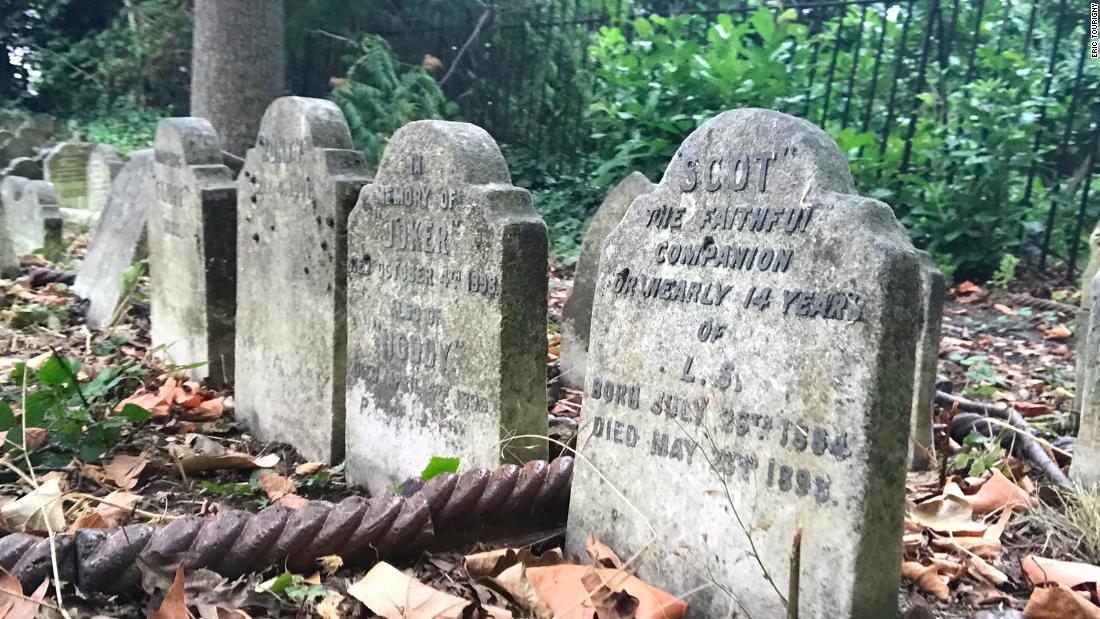
Pet cemeteries, often viewed as a sentimental niche, are in fact profound mirrors of the human condition. These plots of land consecrated to dogs, cats, and other companion animals are not merely a final resting place; they are ritual spaces where our most complex emotions, our need for ceremony, and our search for meaning in the face of loss are projected. The practice of burying animals with personalized ceremonies and headstones transcends simple care for a loved one. It is a cultural phenomenon that unveils universal layers about grief, memory, and the construction of identity through the bonds we forge.
Historically, the relationship between humans and animals has evolved from the utilitarian to the emotionally symbiotic. In contemporary Western societies, pets have assumed central roles in family structures, acting as confidants, sources of unconditional love, and, in many cases, substitutes for human relationships. This paradigm shift has given rise to more elaborate farewell rituals. The first modern pet cemetery, the 'Cimetière des Chiens' in Asnières-sur-Seine, France, opened in 1899, marked a milestone by publicly acknowledging the emotional value of animals. Today, from private plots to large memorial fields, these spaces provide a tangible context for processing a grief that was long socially minimized as 'just for an animal'.
Data reflects this reality. According to sociological studies and surveys from the pet aftercare industry, it is estimated that over 10% of pet owners in countries like the United States, United Kingdom, and Japan opt for specialized burial or cremation services after their companion's death. The pet aftercare industry generates billions of dollars annually, including not only burials but also personalized urns, ash jewelry, and pet grief therapy sessions. 'The cemetery is not for the pet; it is for the person left behind,' explains Dr. Elena Martínez, a social anthropologist at Complutense University. 'It provides a physical locus for pain, a place where grief, often not validated by society, can be expressed freely and where memory is materialized in a stone, a flower, or a toy left on the grave'.
Statements from those who frequent these places are eloquent. 'Burying my dog Loki in the Garden of Remembrance gave me a reference point for my sadness. I go on Sundays, clean his headstone, and talk to him. It is my ritual, my way of honoring the fifteen years of joy he gave me,' shares Carlos, a regular visitor to a cemetery on the outskirts of Madrid. This testimony underscores a crucial psychological function: the search for closure. Without a body or a place to turn to, grief can become abstract and prolonged. The cemetery acts as a physical container for emotions, facilitating the transition from an active presence to an honored memory.
The impact of these spaces extends beyond the individual. Collectively, pet cemeteries challenge the traditional boundaries of community and mourning. They create micro-communities of grievers who share a similar experience, offering mutual support and validation. Furthermore, they raise deep philosophical and ethical questions: Which beings deserve a farewell ritual? What does our way of treating dead animals say about our respect for life in general? By ritualizing the death of a pet, humans not only honor another being but also reaffirm our own humanity, our capacity to love, lose, and find meaning in the cycle of life and death.
In conclusion, pet cemeteries are much more than curiosities or niche businesses. They are powerful cultural manifestations that illuminate the universal mechanisms of human grief. They reveal that the need for ritual, for a sacred place for memory, and for social validation of pain is independent of the species of the loved one lost. By studying how and why we create these spaces for our animal companions, we learn about our own vulnerability, our search for connection, and the profound truth that, in the act of honoring others, we define ourselves. Ultimately, the pet cemetery is a monument to the human capacity to love beyond the boundaries of our own species, and a reminder that every meaningful bond deserves a dignified end and a space for remembrance.