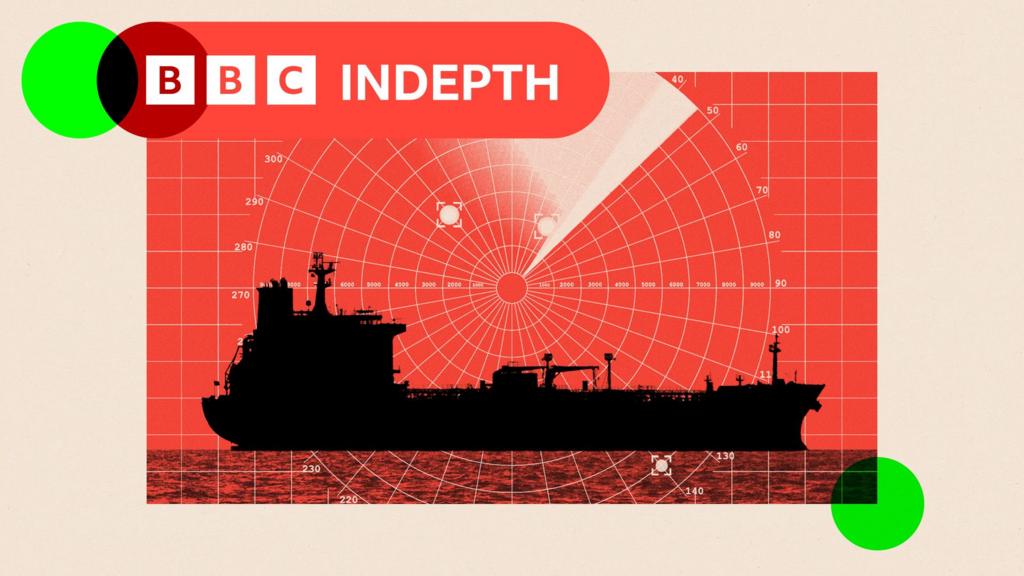
A ghost fleet of merchant vessels, known as 'shadow ships' or the 'dark fleet,' is rapidly expanding across the world's oceans, openly defying international sanctions regimes. These vessels operate on the fringes of the law, employing increasingly sophisticated evasion tactics to transport oil, refined products, and other restricted commodities, primarily from countries like Russia, Iran, and North Korea. The phenomenon, which has escalated significantly since Russia's invasion of Ukraine in 2022, represents a monumental challenge for maritime law enforcement and geopolitical stability, posing a pressing question for governments and international bodies: what can be done to stop them? The context for this surge is clear: the massive economic sanctions imposed on Russia regarding its energy exports created a huge financial incentive to operate outside the regulated system. According to data from maritime intelligence firm Windward, activity by the 'dark fleet' – comprised of older, often poorly maintained vessels with opaque ownership – has increased by over 30% in the last year alone. These ships routinely turn off their Automatic Identification System (AIS) transponders, conduct ship-to-ship transfers in dark zones, and frequently change their name, flag, and registered owner to conceal their identity and final destination. The security implications are profound. Beyond undermining the effectiveness of sanctions, which deprives these measures of their intended economic impact, these vessels pose grave environmental and safety risks. Many are aging tankers with questionable maintenance and inadequate insurance, plying critical sea lanes. An oil spill from one of these 'zombie ships' could cause an ecological disaster of incalculable proportions, especially in sensitive areas like the Baltic or Southeast Asia. Furthermore, their evasive practices increase the risk of collisions, endangering legitimate commercial shipping. Expert statements underscore the scale of the problem. 'The dark fleet is now a permanent and growing feature of the global maritime landscape,' a maritime security analyst recently warned. 'It operates in a gray space where jurisdiction is murky and law enforcement is extremely difficult.' For their part, maritime insurers have expressed growing concern, as many of these vessels lack adequate coverage, potentially leaving coastal states liable in the event of an accident. The economic and political impact is equally significant. By allowing sanctioned countries to maintain a steady stream of export revenue, the shadow fleet weakens diplomatic pressure and prolongs conflicts. It also distorts global energy markets, creating parallel supply circuits that operate with different costs and standards. In response, some nations and blocs, such as the European Union and the Group of Seven (G7), have begun implementing stricter measures, including bans on ancillary services (like insurance and freight) for vessels carrying Russian oil above a price cap. However, the effectiveness of these measures is limited against such an adaptable and opaque network. In conclusion, the rise of 'shadow ships' is a symptom of a global maritime governance system under extreme strain. Combating it requires unprecedented international cooperation, including enhanced intelligence sharing, harmonized secondary sanctions, and possibly the deployment of naval assets to inspect and detain suspicious vessels in international waters. The alternative – an increasingly lawless ocean where non-compliance and risk flourish – is unacceptable for the world's economic and environmental security. The international community is in a race against time to close the legal loopholes these ships exploit before a catastrophic incident forces more drastic and costly action.
World3 min read
Sanctions-Busting 'Shadow Ships' Are on the Rise – The Big Question Is How to Stop Them
Written by ReDataFebruary 11, 2026