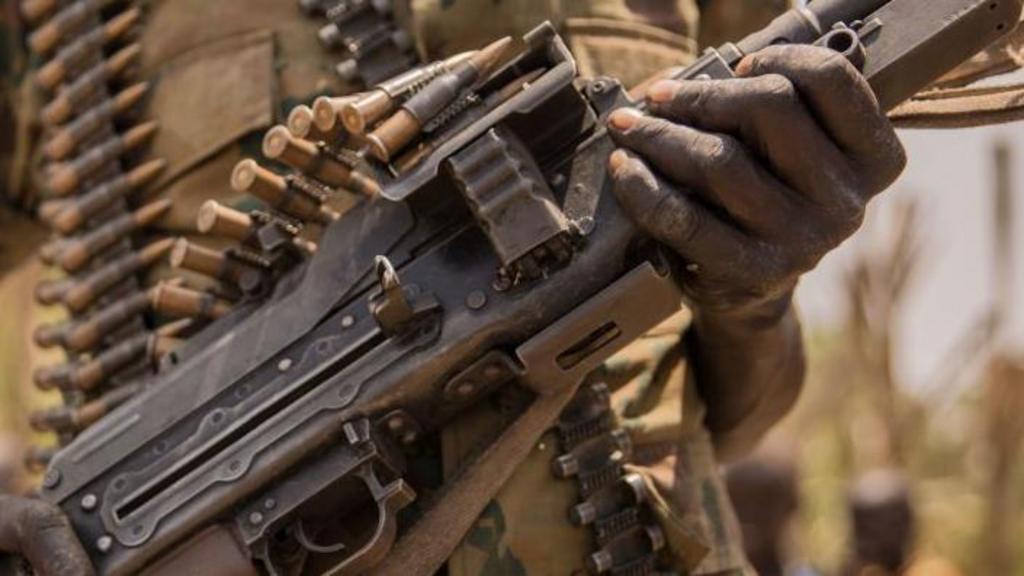
A wave of violence has shaken the fragile stability of South Sudan following a brutal armed attack that has left at least 169 people dead and dozens more injured. The incident, described by local authorities as a 'surprise attack', occurred in Warrap State, a region with a history of inter-communal tensions. According to preliminary reports from police and humanitarian agencies, groups of armed youth attacked several villages in Tonj North County in the early morning hours, setting homes on fire and shooting at civilians attempting to flee. The scale and coordinated nature of the assault have raised international alarm about a possible resurgence of ethnic conflict in the world's youngest nation.
The context of this attack is framed by a complex web of disputes over resources, primarily cattle and grazing land, exacerbated by the proliferation of small arms and the weak state presence in remote areas. South Sudan, which gained independence from Sudan in 2011, has spent much of its short history mired in a devastating civil war that formally ended with a peace agreement in 2018. However, the implementation of the agreement has been slow and fragile, with localized outbreaks of violence constantly threatening to destabilize the process. Warrap State, in particular, has experienced recurring cycles of revenge killings between communities, often exacerbated by competition for water and pasture, especially during the dry season.
Official figures, provided by Warrap State police spokesman Major General Elijah Mabor Makuac, confirm the death of 169 people, including women, children, and the elderly. 'It was a surprise and well-planned attack. The attackers came in large numbers and with sophisticated weapons. Our forces are deployed in the area to restore order and prevent further bloodshed,' Makuac told local media. Non-governmental organizations operating in the region, such as Médecins Sans Frontières, have reported the arrival of dozens of severely traumatized wounded at overwhelmed medical facilities, highlighting the urgency of an immediate humanitarian response. The United Nations Mission in South Sudan (UNMISS) has expressed its 'deep concern' and called on all parties to exercise maximum restraint.
The humanitarian impact of this episode is devastating. Thousands of people, mainly women and children, have been displaced from their homes, seeking shelter in makeshift centers or fleeing to neighboring areas. The destruction of property and the loss of livestock, a vital asset for the livelihood of many families, threatens to plunge entire communities into an acute food crisis. This attack not only represents an immediate human tragedy but also undermines national reconciliation efforts and the development of state institutions capable of guaranteeing citizen security. The international community, which has invested billions of dollars in aid and peacekeeping in South Sudan, watches with growing frustration as localized violence jeopardizes the progress made.
In conclusion, the massacre in Warrap is a grim reminder of the profound challenges facing South Sudan on its path to lasting peace. As the transitional unity government, led by President Salva Kiir and Vice President Riek Machar, attempts to implement the peace agreement, incidents like this expose the cracks in local governance and the persistence of cycles of violence driven by economic and social factors. Decisive and coordinated action is required, combining effective security deployment, mediated inter-community dialogue, and urgent investment in development to address the root causes of the conflict. Otherwise, the country risks seeing the gains of recent years fade amid a new spiral of suffering and despair for its population.