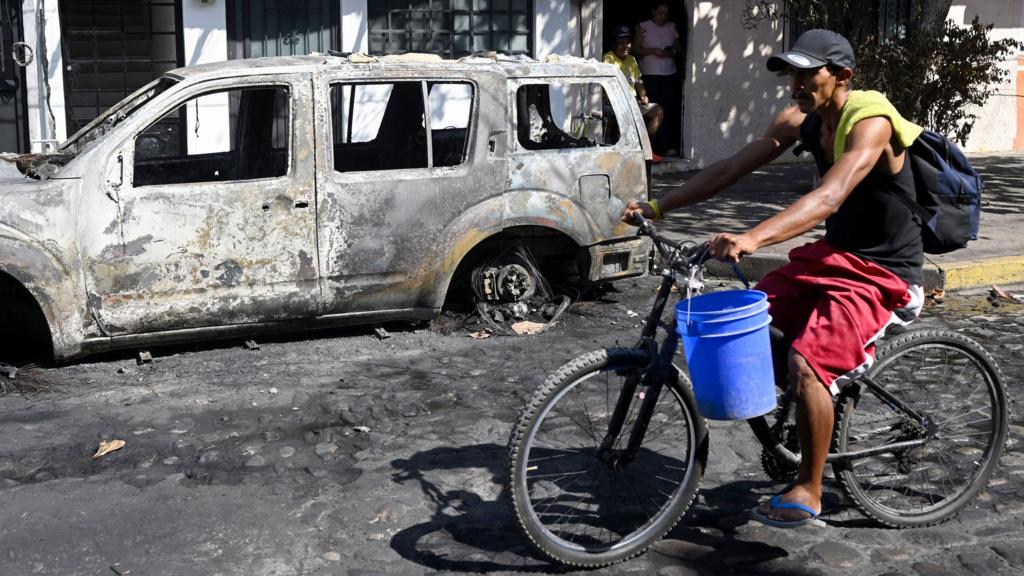
A new wave of extreme violence is shaking Mexico, leaving a trail of terror and challenging the federal government's security strategy. The threat of further attacks looms over several regions of the country following a series of coordinated assaults attributed to powerful drug cartels, which have included roadblocks, vehicle burnings, shootings against civilians, and direct confrontations with security forces. The episodes, concentrated in states such as Jalisco, Guanajuato, and Baja California, reflect an escalation in intimidation methods and a fierce dispute for control of drug trafficking plazas and routes.
The context of this crisis dates back to the fragmentation of large cartels and the emergence of smaller but hyper-violent groups, known as 'cells' or 'new-generation cartels.' These groups operate with a logic of terror to assert their dominance, attacking not only rivals but also the civilian population and institutions. Security analysts point out that the arrest or elimination of historic leaders has created a power vacuum that triggers internal wars and bloody competition for markets, including synthetic drug trafficking, extortion, and fuel theft.
Data from the Executive Secretariat of the National Public Security System reveals a sustained increase in violence in recent quarters. In the previous month alone, more than 2,500 intentional homicides were recorded nationwide, with a notable spike in entities where the Jalisco New Generation Cartel (CJNG) and the Sinaloa and Northeast Cartels operate. The tactic of blockades with burning vehicles, which paralyze entire cities, is not new, but its frequency and coordination have increased, demonstrating a worrying logistical and mobilization capacity.
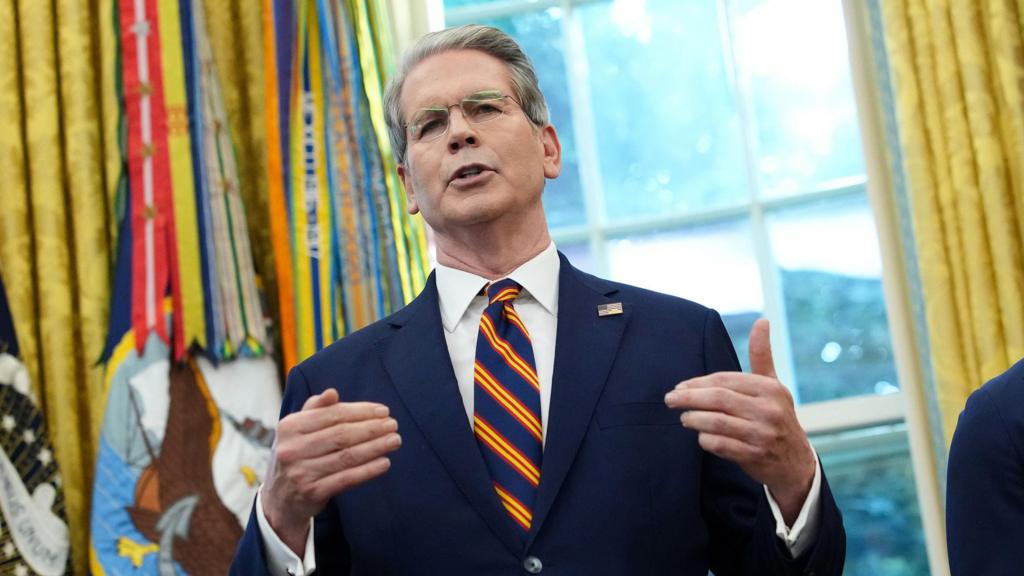
Statements from federal authorities have attempted to calm tensions. Security Secretary Rosa Icela Rodríguez stated at a press conference: 'We are deploying joint operations with state and municipal forces to recover territorial control. The strategy is one of containment and intelligence to dismantle the financial networks of these groups.' However, critical voices emerge from civil society. María Elena Morera, president of the organization Causa en Común, declared: 'We are facing a show of force seeking to destabilize. The population lives in constant fear; there is no comprehensive policy attacking the structural causes of violence.'
The impact of this new wave of violence is multidimensional. Economically, the paralysis of commercial and logistical activities in key regions affects supply chains and discourages investment. Socially, collective trauma and the forced displacement of communities intensify. Politically, it tests the credibility of President Andrés Manuel López Obrador's so-called 'hugs, not bullets' strategy, which prioritizes a social approach to crime over direct confrontation. The perception of impunity, with investigation rates below 10% for many crimes, fuels the cycle of violence.
In conclusion, Mexico faces an inflection point in its fight against organized crime. The threat of further violence is not rhetorical; it is a palpable reality in blocked streets and besieged communities. The State's response requires not only a tactical increase in the deployment of forces but also real coordination among the three levels of government, a profound reform of the justice system, and an economic policy that offers viable alternatives to youth in marginalized territories. As long as the roots of drug trafficking and collusion with political and economic actors are not attacked, the specter of violence will continue to loom, reminding us that peace is much more than the momentary absence of gunfire.