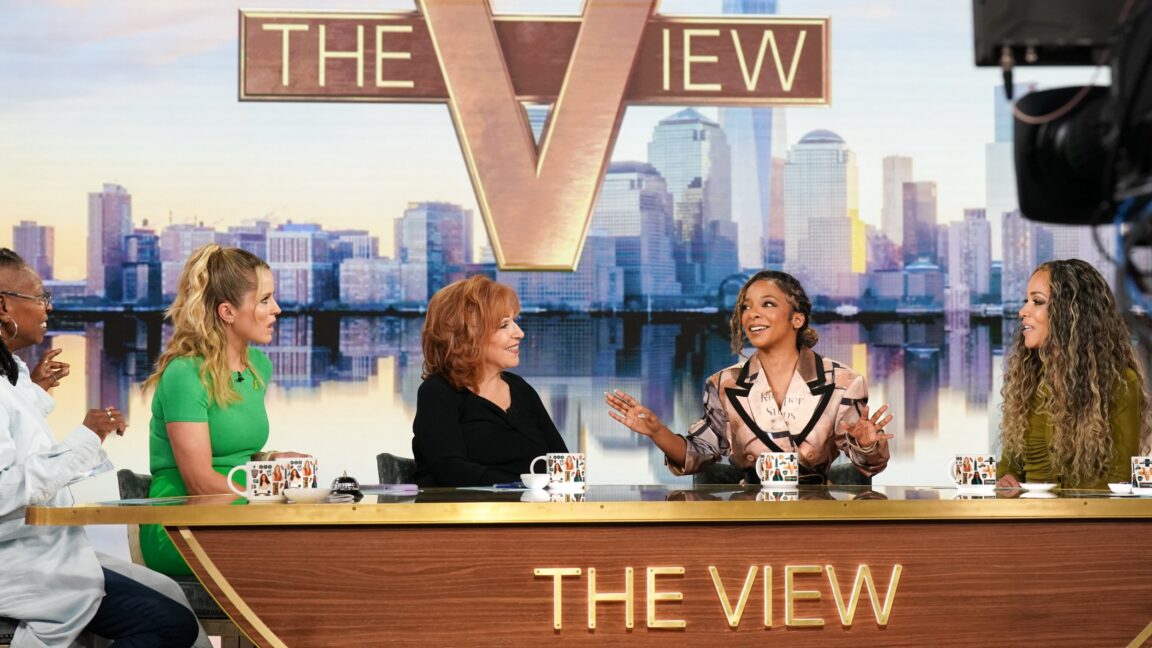
The U.S. Federal Communications Commission (FCC) under President Donald Trump's administration has launched a formal investigation into the popular daytime talk show 'The View', according to sources close to the regulatory agency. This move follows a broader FCC warning about compliance with the 'equal-time rule' issued to several late-night and daytime talk shows, including those on networks like ABC, NBC, and CBS. The specific probe into 'The View' stems from complaints filed by conservative groups alleging that the program, known for its liberal stances and frequent criticism of the Trump administration, systematically violates fairness doctrines by failing to provide proportional airtime to perspectives that support the president or his policies.
The 'equal-time rule', enshrined in the Communications Act of 1934 and reinforced by FCC rulings, mandates that radio and television stations that provide airtime to a legally qualified political candidate for a public office must offer an equal opportunity to other candidates for that same office. While traditionally applied more strictly during election periods and to declared candidates, the FCC under Chairman Ajit Pai's leadership has shown a broader and more aggressive interpretation of the rule. In statements leaked to the press, senior FCC officials reportedly used the term 'fake news' to refer to content they view as distorting or omitting information in a partisan manner, suggesting such practices could face regulatory sanctions, including substantial fines or, in extreme cases, broadcast license reviews.
The context of this regulatory action is inseparable from the current political climate. President Trump has maintained a publicly contentious relationship with the media, frequently labeling them 'the enemy of the people' and accusing them of spreading 'fake news'. This rhetoric has permeated federal agencies, raising concerns among First Amendment advocates and media law experts. 'This investigation into The View appears to be the regulatory embodiment of a rhetorical war,' stated Dr. Elena Martinez, a professor of Communication Law at Georgetown University. 'Using the equal-time doctrine to investigate opinion shows, whose format is based on specific editorial perspectives, sets a dangerous precedent that could stifle public debate and press freedom.'
The potential implications of this investigation are vast. If the FCC decides to impose sanctions on 'The View' or its parent network ABC, it could trigger a chilling effect on other political opinion and talk shows. Media producers and executives might choose to soften their content or avoid political topics altogether to evade regulatory scrutiny and costly legal battles. Furthermore, it would set a precedent for future administrations, of any political stripe, to use regulatory tools to pressure critical media outlets. On the other hand, supporters of the move argue that mainstream media has abandoned journalistic neutrality and that the FCC has a duty to ensure some balance in the public spectrum, especially on channels operating with public licenses.
So far, representatives for 'The View' and ABC News have declined extensive comment, issuing only a brief statement: 'We are confident our program complies with all applicable laws and regulations. We will continue to provide our viewers with a vigorous and informed debate on the issues of the day.' However, press freedom advocacy groups, such as the Committee to Protect Journalists and the American Civil Liberties Union (ACLU), are expected to file legal challenges and amicus curiae briefs if the FCC moves forward with punitive actions. The outcome of this case could redefine the boundaries between broadcast spectrum regulation and the constitutional protection of free speech in the digital age, a debate that transcends U.S. borders and resonates in democracies worldwide where the phenomenon of 'fake news' and media polarization is also on the rise.