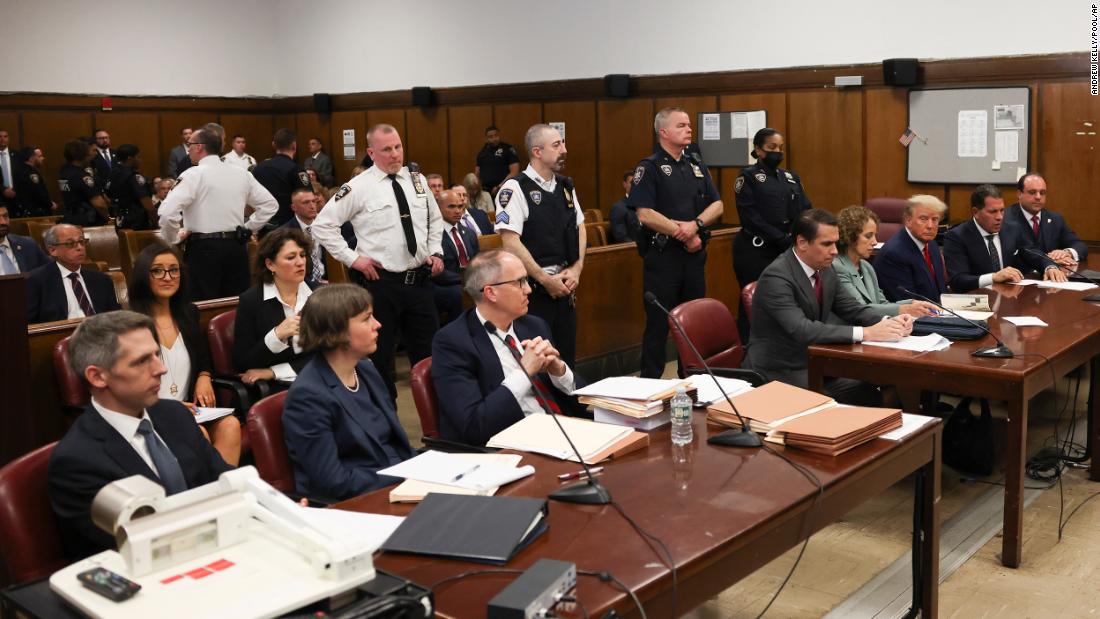
In a historic move that shakes the American political landscape, a Manhattan grand jury has voted to formally indict former President Donald Trump. The indictment is related to an investigation into payments made during the 2016 election campaign to silence porn star Stormy Daniels, who claimed to have had an extramarital affair with Trump. This event marks the first time in U.S. history that a former president faces criminal charges, raising political and legal tensions to unprecedented levels.
The case centers on a $130,000 transaction made through Trump's then-personal lawyer, Michael Cohen, in October 2016, just before the presidential election. Authorities are investigating whether these funds, intended to buy Daniels's silence, constituted a violation of campaign finance laws by not being reported as a campaign expenditure. Furthermore, they are examining whether the accounting records of the Trump Organization, which allegedly reimbursed Cohen, were falsified to conceal the true nature of the payment, which could constitute tax fraud and falsification of business records.
Manhattan District Attorney Alvin Bragg has led the investigation for months, gathering testimony and financial documents. In previous statements, his office has stated that "no one is above the law." For his part, Trump has called the indictment a "witch hunt" and political persecution, stating in a communication: "This is political persecution and election interference at the highest level in history." His Republican allies have come to his defense, criticizing Democratic prosecutors for what they see as a partisan use of the judicial system.
The impact of this indictment is multifaceted. Legally, Trump must appear before a Manhattan court to be formally arraigned, a process that will include fingerprinting and a police photograph. Politically, the event occurs as Trump leads polls for the 2024 Republican presidential nomination, which could galvanize his base of support or, conversely, erode his electoral viability. Socially, the case deepens the division in an already polarized country, with intense debates about justice, accountability, and the rule of law.
Legal experts note that charges for falsifying business records in New York are Class E felonies, the least severe in the state, carrying a maximum sentence of four years in prison. However, conviction is not automatic, and the process could extend for years, especially considering the legal appeals likely to be filed by the defense. Furthermore, this case could open the door to other pending investigations against Trump, including those related to his handling of classified documents at Mar-a-Lago and his role in the January 6th Capitol assault.
In conclusion, the indictment of Donald Trump represents a turning point in the political and legal history of the United States. Beyond the specific outcome of the case, it sets a precedent regarding the accountability of former presidents and tests the resilience of democratic institutions. The development of this judicial process will be closely watched not only nationally but internationally, as a test of the American system's ability to apply the law equitably, regardless of the defendant's power or position. The coming months will define not only Trump's legal future but also the tone of American politics for years to come.