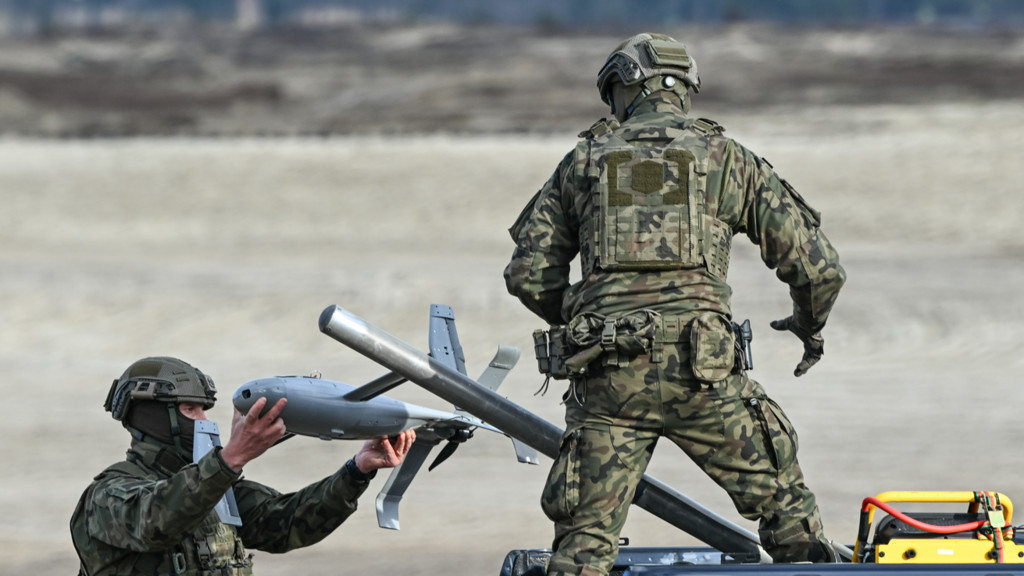
In a move underscoring European security cooperation beyond the formal structures of the European Union, the United Kingdom has sealed an innovative defence agreement with four key allies from the bloc: Germany, Italy, Spain, and France. The pact, announced following a discreet ministerial summit in London, establishes a joint framework for the development, acquisition, and deployment of drone-based air defence systems, specifically designed to counter the asymmetric threats and drone swarms that have redefined modern conflict, as seen dramatically in Ukraine. This agreement represents one of the most significant defence collaborations between the UK and major European powers since Brexit, signalling a pragmatic willingness to prioritise collective security over the political complexities of the separation.
The context for this agreement cannot be understood without the transformation of the European security landscape following Russia's invasion of Ukraine in February 2022. The war has demonstrated, in raw and costly terms, the lethal effectiveness of cheap drones, both for reconnaissance and attack, and the vulnerability of traditional air defences against coordinated swarms. Nations across Europe have urgently accelerated programmes to develop countermeasures, from electronic warfare jamming systems to hunter-killer drones and laser defences. Yet, fragmented efforts and limited budgets have posed a challenge. This quadrilateral agreement, spearheaded by the UK, seeks to overcome that fragmentation by pooling resources, technological expertise, and operational requirements to create a next-generation air shield more quickly and cost-effectively.
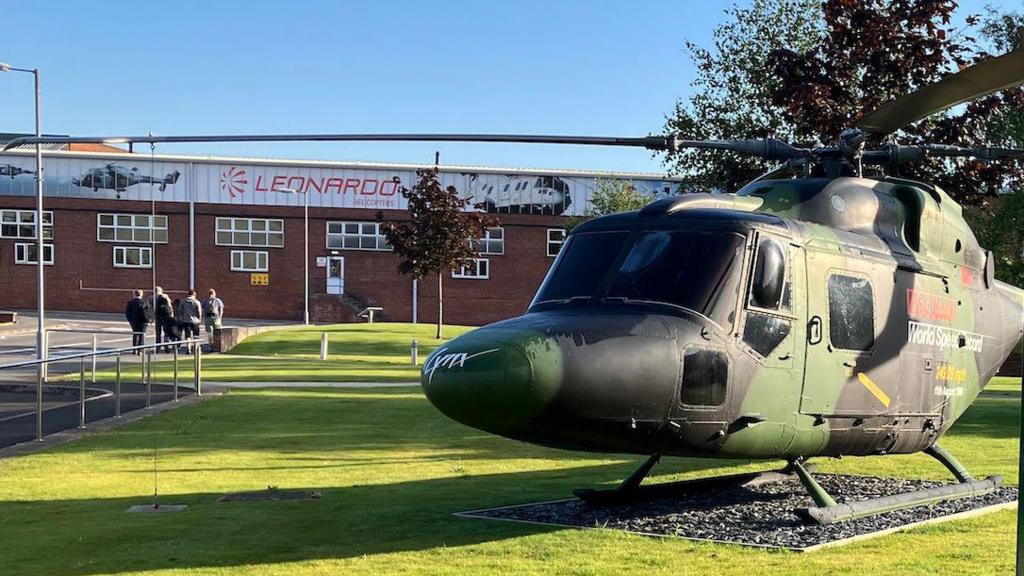
Technical and financial details of the plan, dubbed the 'European Cooperative Air Shield' (EACS), are still being finalised, but the core principles are clear. It will involve a joint development programme led by a consortium of defence firms from the five nations, with BAE Systems (UK), Airbus (pan-European), Leonardo (Italy), and MBDA (European consortium) as likely key players. The goal is to create an interoperable family of systems including autonomous interceptor drones, drone-based detection and neutralisation platforms, and a common command-and-control system. A UK Ministry of Defence official, speaking on condition of anonymity, stated: 'This isn't just about building a better drone. It's about building an entire ecosystem that can detect, identify, and neutralise a myriad of small, cheap aerial threats that would overwhelm our current systems.'
The strategic impact of this deal is multifaceted. Firstly, it tangibly reinforces Europe's air defence posture on its eastern flank, sending a deterrent signal to Moscow. Secondly, it consolidates the UK's role as an indispensable European security actor, mitigating to some extent fears of a post-Brexit strategic drift. Thirdly, it boosts the European defence industrial base, fostering innovation and ensuring critical technology is developed on European soil. However, the agreement also raises delicate questions about the relationship with the EU's Common Security and Defence Policy (CSDP) and NATO. Officials have been quick to underline that EACS will complement and integrate with NATO structures, avoiding duplication. 'This is a group of nations with advanced capabilities acting together to fill a specific capability gap,' asserted a European diplomatic source.
In conclusion, the UK's drone defence pact with its four European partners is a pragmatic and timely recognition of the realities of modern warfare and the interdependence of European security. It transcends institutional debates about Brexit to focus on an urgent operational need. If executed effectively, it could serve as a model for future 'ad hoc' cooperation in areas like cyber defence or electronic warfare. While the challenges of coordination, cost-sharing, and industrial harmonisation are considerable, the political will demonstrated in London, Berlin, Rome, Madrid, and Paris suggests the continent's defence is entering a new phase of flexible, capability-driven cooperation, with drone technology at its heart.