The British government has given the green light to a defence deal worth approximately £1 billion (around $1.2 billion) for the acquisition and modernization of a new fleet of helicopters, in a move aimed at bolstering the capabilities of the UK's armed forces. The decision, confirmed by sources within the Ministry of Defence, marks a critical investment in renewing aerial assets that have been in service for decades, ensuring British forces maintain an operational edge in complex scenarios and high-threat environments.
The deal focuses on the acquisition of a new medium-lift transport helicopter model, designed to replace aging platforms currently performing logistics support, medical evacuation, and troop deployment missions. According to preliminary details, the contract will include not only the purchase of the aircraft but also a comprehensive package of maintenance, pilot and technician training, and the development of state-of-the-art avionics systems. This holistic approach seeks to maximize the fleet's operational availability and reduce lifecycle costs, an aspect that has been criticized in previous defence projects.
The context of this decision is framed within an increasingly volatile global security landscape, with rising geopolitical tensions and the need for NATO nations to modernize their conventional capabilities. The United Kingdom, as a leading contributor to the alliance, has been under pressure to update its equipment following years of post-Cold War budget cuts. A Ministry of Defence spokesperson stated: "This investment is critical to maintaining our readiness and protecting our national interests. It will provide our service personnel with the modern, reliable equipment they deserve, while creating high-tech jobs across the country." The statement references the expected economic impact, with thousands of jobs linked to the defence supply chain in regions such as Northwest England and Scotland.
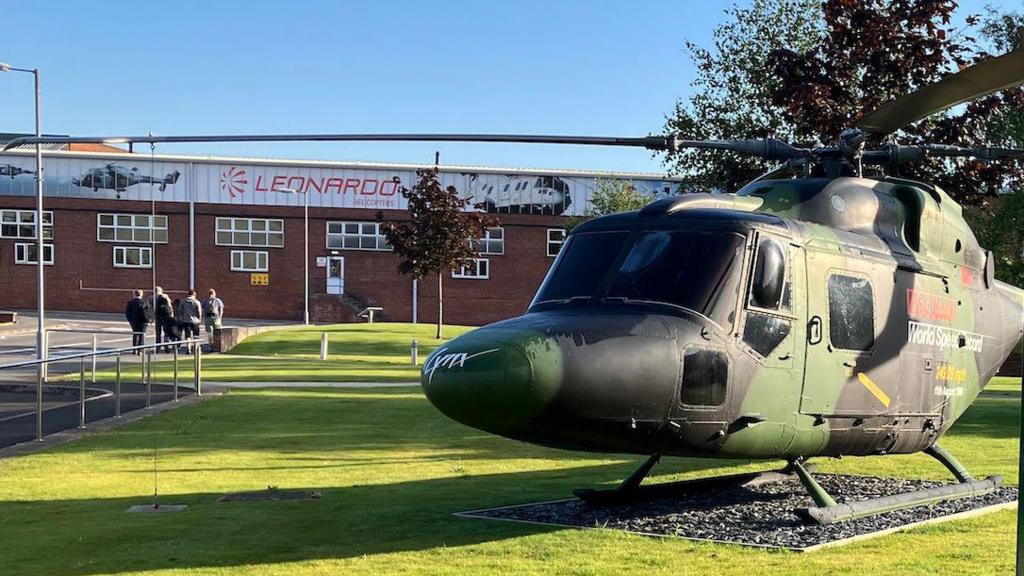
Relevant data indicates that the current transport helicopter fleet of the British Army and Royal Air Force includes models like the Puma HC2, which entered service in the 1970s. Although they have undergone upgrades, limitations in payload capacity, range, and survivability in the modern battlefield have driven the need for a replacement. The new deal will likely involve a competition between consortia led by aviation giants such as Airbus, Leonardo, and Boeing, each with platforms proven in armed forces worldwide. The exact contract value, nearing £1 billion, may be adjusted depending on the final number of units and configuration options selected.
The impact of this decision extends beyond the operational sphere. Defence analysts note that the deal will strengthen the UK's industrial base, as a significant portion of integration and maintenance work is expected to be carried out locally. Furthermore, it will enhance interoperability with key allies like the United States and France, which operate similar helicopters. However, the announcement has also drawn criticism from groups advocating for greater spending on civilian public services, arguing that funding priorities should focus on healthcare and education. Nevertheless, the government has defended the investment as non-negotiable for national security.
In conclusion, the approval of the £1 billion helicopter deal represents a significant milestone in the modernization of the British armed forces. By addressing a critical airlift capability, the UK is not only updating its equipment but also sending a clear signal to allies and adversaries about its commitment to defence. The success of the program will depend on efficient execution, rigorous cost management, and the ability to integrate these new platforms into an increasingly connected and digitized defence ecosystem. As details unfold in the coming months, this agreement will set the course for British military aviation for decades to come.