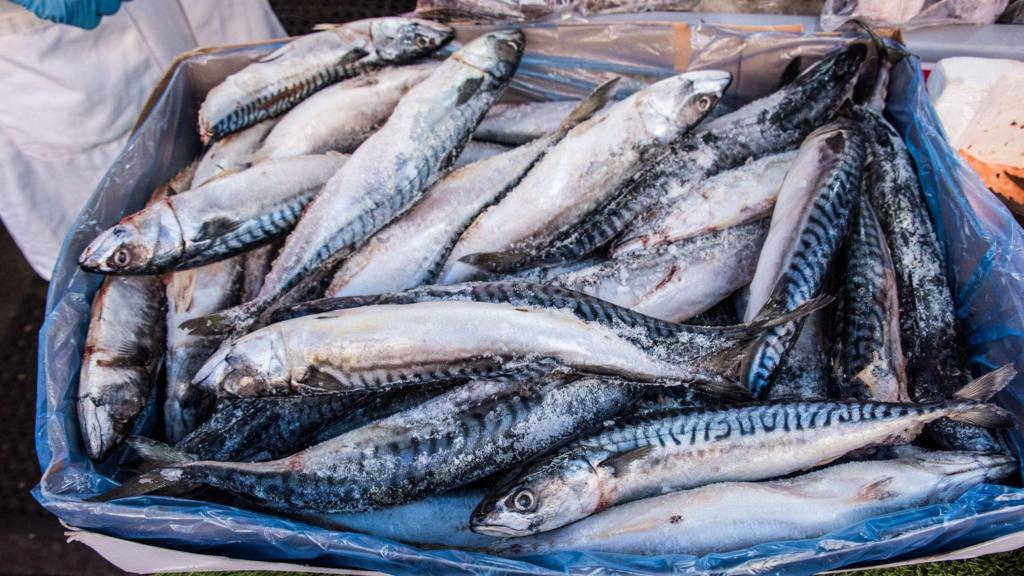
The British premium supermarket chain Waitrose has announced the immediate suspension of sales of fresh, frozen, and canned mackerel across all its stores. This decision, described as "precautionary" by the company, comes in response to growing warnings from scientists and conservation organizations about the status of this bluefish population in the Northeast Atlantic. The measure, which will take effect from next week, makes Waitrose the first major UK retailer to take such a drastic step regarding such a popular and economically significant fish species. Mackerel is a staple of the British diet, valued for its nutritional value and relative low cost, meaning this suspension will have a direct impact on the consumption habits of millions of customers.
The context for this decision lies in the latest reports from the International Council for the Exploration of the Sea (ICES), the primary scientific advisory body for fisheries in the Northeast Atlantic. Although fishing quotas are set annually by coastal states, including the UK, Norway, the European Union, and Iceland, there is widespread concern that the total fishing pressure on mackerel exceeds the sustainable levels recommended by scientists. The species has been the subject of political disputes between fishing nations, complicating the management of a resource that knows no borders. Overfishing not only threatens the future viability of the fishery but also the health of the marine ecosystem of which mackerel is a key species.
"We have made this difficult decision following a careful review of the latest scientific evidence and after consulting with our sourcing partners and organizations like the Marine Stewardship Council (MSC)," a Waitrose spokesperson stated. "Our responsible sourcing policy compels us to act when there is reasonable doubt about the sustainability of a fishery. We hope this measure sends a clear signal to the industry and governments about the urgent need for more precautionary and cooperative management." The company has confirmed it will remove all mackerel products from its shelves and is working to offer sustainable alternatives to its customers, such as MSC-certified Atlantic herring or mackerel from other fisheries with healthier stocks, although these options may be more limited and costly.
The impact of this suspension is multifaceted. For consumers, it means the temporary disappearance of an affordable, omega-3-rich staple. For fishermen, particularly those in UK coastal communities reliant on this fishery, it represents an immediate economic blow and adds pressure to a sector already affected by Brexit and rising costs. However, environmental groups such as Greenpeace UK and ClientEarth have praised the decision. "Waitrose is taking a brave and necessary step," said a Greenpeace activist. "When the science says there is a problem, the responsible response is not to wait for the stock to collapse but to act to protect it. We hope other supermarkets will follow this example."
In conclusion, Waitrose's action places fisheries sustainability at the heart of public and commercial debate. Beyond the symbolic gesture, it highlights the growing influence that retail chains have on ocean governance, often filling gaps left by international political agreements. The suspension is designed to be temporary, but its duration will depend on fishing nations reaching a management agreement that strictly follows scientific advice and sets precautionary quotas. In the meantime, the measure challenges the industry and consumers to reconsider the provenance of their food and the true cost of cheap fish. The case of Northeast Atlantic mackerel thus becomes a crucial test for whether the market can be a force for conservation when politics fails.