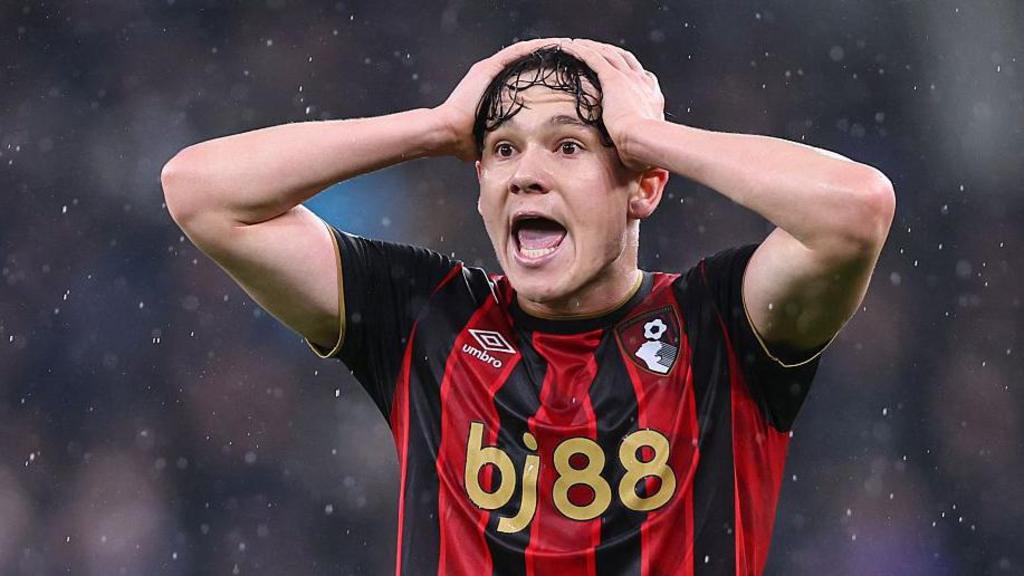
The UK government has announced a landmark ban that will prevent unlicensed sports betting firms from sponsoring sports teams, events, or using visible advertising in stadiums and television broadcasts. Described as a "radical shift" in gambling regulation, this measure aims to protect consumers and address growing concerns about the normalization of betting, particularly among young people and vulnerable groups. The new rules, set to come into effect from the next fiscal year, are part of a comprehensive review of the Gambling Act 2005, which many consider outdated in the digital age.
The context for this decision stems from years of pressure from activist groups, academics, and some MPs who have denounced the omnipresence of betting advertising in British sport. From Premier League football to horse racing and snooker, betting company logos have dominated players' shirts and stadium perimeter boards. According to data from the UK Gambling Commission, the unregulated sports betting market is estimated to account for between 5% and 10% of total activity, often operating from offshore jurisdictions without adhering to player protection standards such as age verification or deposit limits.
Minister for Sport and Civil Society, Sarah Fletcher, stated in the House of Commons: "This ban is a necessary step to ensure that only companies operating responsibly, licensed in the UK, and contributing to the system through taxes, can partner with our sport. We cannot allow entities that circumvent our laws to benefit from the credibility and reach that sports sponsorship provides." Meanwhile, the Betting Industry Gaming Association (BIGA) has expressed cautious support, emphasizing that rigorous enforcement will level the playing field for legitimate operators, though some members have voiced concerns about potential revenue loss for sports clubs, particularly in lower leagues.
The economic impact of this measure will be significant. A report by consultancy Nielsen Sports estimates that the British sports industry receives approximately £350 million annually in sponsorship from betting companies, of which up to £50 million is believed to come from unlicensed firms or those licensed in low-regulation jurisdictions. Football clubs in the Championship and League One, which often rely on these deals, will have an 18-month transition period to seek new sponsors. Concurrently, the regulator, the Gambling Commission, will see its powers strengthened to block websites and apps that violate the rules, in collaboration with internet service providers and social media platforms.
From a social perspective, public health groups such as Gambling Health Alliance have welcomed the decision. Its director, Dr. Alan Matthews, stated: "Constant advertising normalizes gambling as an intrinsic part of the sports spectacle. By removing unregulated actors, who often employ aggressive bonus tactics and have weaker controls, we reduce the risk of harm, especially for minors exposed to these ads." However, some critics argue that the ban should be extended to all betting sponsorships, not just unlicensed ones, given the overall volume of advertising.
In conclusion, this ban marks a turning point in the relationship between sport and the gambling industry in the UK. It reflects a political shift towards a more precautionary approach, aligning with similar measures recently adopted in Italy and Spain. While it poses short-term financial challenges for some sports organizations, its ultimate goal is to create a safer environment for fans and restore the integrity of brand-sport partnerships. The success of the measure will depend on effective enforcement and the sector's ability to diversify its revenue streams, potentially opening the door to sponsors from sectors such as technology, sustainable energy, or e-commerce.