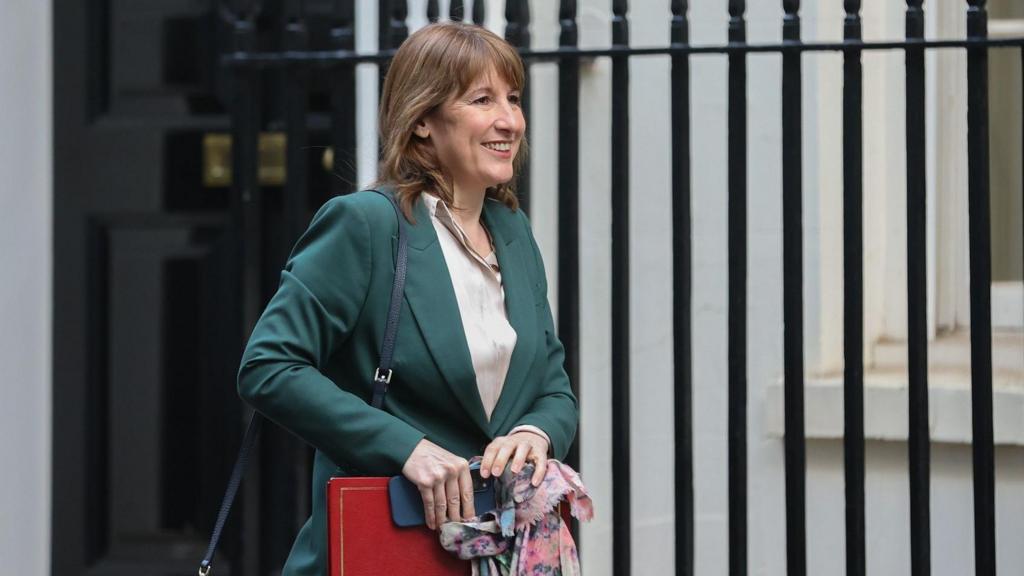
The United Kingdom's public finances demonstrated remarkable strength in January, recording a budget surplus far exceeding analysts' projections. This positive outcome, driven primarily by more robust tax receipts than anticipated, offers a respite to the Conservative government amid a complex economic landscape marked by persistent inflation and stagnant growth. The Office for National Statistics (ONS) reported a public sector net borrowing excluding public sector banks (PSNB ex) surplus of £16.7 billion for the month. This figure not only significantly surpasses the market consensus, which expected a surplus around £8.7 billion, but also represents the largest January surplus since records began in 1993.
The context of this performance is crucial. January is traditionally a surplus month for the UK Treasury due to quarterly self-assessed income tax payments and corporation tax advance payments. However, the magnitude of this year's excess surprised economists. Tax receipts reached £90.5 billion, a significant year-on-year increase. This boost is attributed to a combination of factors: the freezing of income tax thresholds, which drags more citizens into higher tax brackets as nominal wages rise (a phenomenon known as 'fiscal drag'), and higher corporation tax receipts. On the spending side, total expenditure was £73.8 billion, with public sector debt interest spending, while still elevated, being slightly lower than the same period last year due to a moderation in inflation-linked gilt rates.
The market reaction was immediate. The pound sterling strengthened against the dollar and the euro, while yields on long-term government bonds edged lower, reflecting a perception of reduced fiscal risk. 'The January figures are undoubtedly good news for the Chancellor,' stated the chief economist of a major investment bank. 'They provide unexpected headroom in an election year. However, it's important to remember this is single-month data and the full-year fiscal picture remains extremely tight.' The Treasury itself issued a cautious statement, noting that 'public debt remains at historically high levels and debt servicing costs are sensitive to changes in interest rates.'
The impact of these figures extends beyond the purely economic. With a general election on the horizon, Prime Minister Rishi Sunak's government is keen to capitalize on any positive data to argue that its economic management is bearing fruit. The record surplus could offer Chancellor Jeremy Hunt room to consider limited tax cuts in his upcoming budget, scheduled for early March—a move with clear political appeal. However, critics, including the Institute for Fiscal Studies (IFS), warn that any premature fiscal loosening could compromise long-term sustainability. 'One good month does not change the structural picture,' an IFS analyst noted. 'An ageing population and growing demands on health services remain massive fiscal pressures for the future.'
In conclusion, while the record January surplus improves the mood and provides a temporary cushion, it does not solve the fundamental challenges of the UK's public finances. The economy remains on the brink of a technical recession, inflation, although falling, remains above the 2% target, and public sector net debt stays near 97% of GDP. The real test for the government will be how it manages this unexpected windfall: using it to drive sustainable growth through investment, deploying it for immediate tax cuts for political purposes, or allocating it to bolster fiscal resilience against future crises. The decision the Chancellor makes in his next budget will be a key indicator of the economic direction the United Kingdom will take in the coming years.