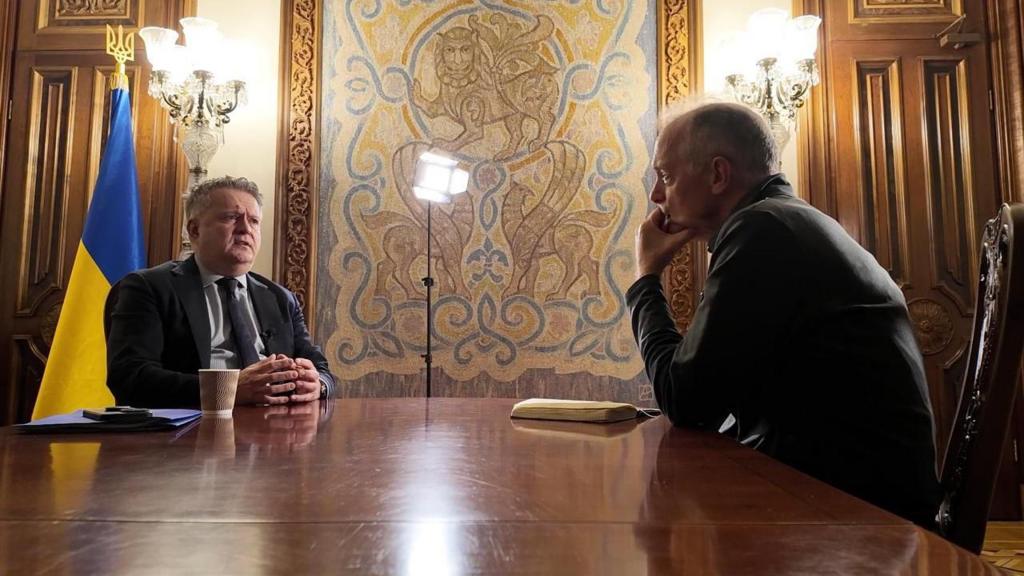
In an exclusive interview with the BBC, a senior Ukrainian negotiator has described the unique, and often harrowing, psychological and diplomatic experience of sitting across from Russian representatives at the negotiation table. The revelation offers an unprecedented window into the human dynamics behind the diplomatic efforts to end the war, now in its third year. The negotiator, whose identity was protected for security reasons, detailed the atmosphere thick with distrust, the difficulty of separating policy from personal emotion, and the weight of representing a nation under brutal invasion while seeking a path to peace.
The context of these talks is complex. Since Russia's full-scale invasion in February 2022, there have been several rounds of negotiations, with moments of hope followed by stalemates and breakdowns. Initial talks in Belarus and later in Turkey addressed issues such as humanitarian corridors, ceasefires, and potential neutrality agreements for Ukraine. However, the escalation of atrocities and shifting battlefield dynamics have hardened positions, making the process extremely fragile. The negotiator described how every word is measured meticulously, aware that any misunderstanding could have devastating consequences on the ground.
"It is a surreal feeling," the Ukrainian official confessed. "On one hand, you are performing a professional duty, parsing legal texts and logistical proposals. On the other, you cannot ignore that the person sitting across from you represents the machinery that is bombing your cities, killing your compatriots, and displacing millions. There are moments of awkward silence where the weight of reality is absolutely overwhelming." The negotiator also highlighted the discipline required to maintain composure, noting that showing anger or frustration could be exploited as a weakness by the Russian counterpart, known for its relentless and often manipulative bargaining style.
The psychological impact on the negotiating teams is profound. Experts in diplomacy and war trauma point out that these envoys carry a dual burden: the technical pressure of securing a deal and the vicarious trauma of representing their people's suffering. This strain can lead to burnout and requires significant psychological support, something Ukrainian delegations have had to develop on the fly. Furthermore, the negotiations do not occur in a vacuum; each session is closely watched by the international community, the media, and, most importantly, by the Ukrainian citizens, whose expectations and fears add another layer of pressure.
The conclusion drawn from this testimony is that diplomacy in wartime is a battlefield in itself, one where the weapons are words, patience, and extraordinary mental fortitude. Although tangible progress has been scarce, the mere act of keeping some channels of communication open is considered crucial for managing crises, such as prisoner exchanges or the safety of the Zaporizhzhia nuclear plant, and for keeping alive the possibility, however remote, of a political solution. The negotiator's revelation underscores that, beyond public statements and hardline postures, there exists a human stratum of pain and determination that defines this conflict. The path to peace, if it ever comes, will be paved not only with territorial concessions or security guarantees but also with the ability of the individuals on both sides of the table to confront a shared history of horror and find, against all odds, a point of understanding.