The Biden administration has embarked on a complex dual-track strategy toward Iran, combining intense diplomatic pressure to revive nuclear negotiations with a significant ramping up of U.S. military presence in the Persian Gulf region. This move reflects Washington's delicate balancing act, aiming to deter Tehran from advancing its uranium enrichment and support for regional proxy groups while attempting to avert an open military confrontation. According to sources at the State Department and the Pentagon, diplomatic efforts are focused on indirectly reviving some form of agreement to limit Iran's nuclear capabilities, potentially based on the 2015 Joint Comprehensive Plan of Action (JCPOA), from which the U.S. withdrew in 2018.
The context for this maneuver is an increasingly volatile region. In recent months, Iran has increased its uranium enrichment to nearly 60%, a level alarmingly close to weapons-grade, as reported by the International Atomic Energy Agency (IAEA). Concurrently, it has continued its support for militias in Iraq, Syria, Yemen, and for Hezbollah in Lebanon—actions Washington views as a threat to its allies and regional stability. The current administration, wary of the failures of both "maximum pressure" and outright appeasement strategies, appears to be adopting a hybrid approach: speaking firmly while bolstering its deterrent posture.
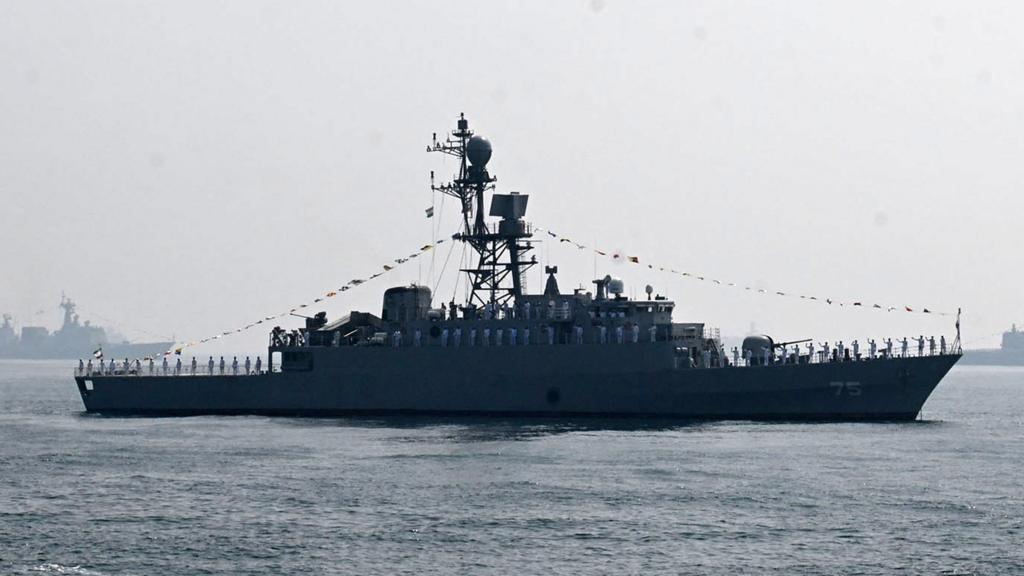
The military component of this strategy is tangible. The Pentagon has announced the additional deployment of a carrier strike group, the reinforcement of air defense systems in allied nations like Saudi Arabia and the United Arab Emirates, and increased naval patrols in the Strait of Hormuz, a crucial chokepoint for global oil shipments. A senior defense official, speaking on condition of anonymity, stated, "The message is clear: we are fully prepared to defend our interests and those of our allies. The window for diplomacy is open, but it will not remain so indefinitely." This buildup, analysts say, aims to create a "security umbrella" that allows diplomacy to operate from a position of strength.
The data is telling. The United States is estimated to now have over 30,000 military personnel in the broader Middle East region, with air, naval, and intelligence capabilities significantly enhanced from last year. On the Iranian side, its arsenal of ballistic missiles and drones continues to grow, presenting an asymmetric challenge. The international community is watching with concern. The European Union, which acts as a mediator in the stalled nuclear talks, has urged both sides to "exercise maximum flexibility and refrain from any action that could lead to a dangerous escalation." Meanwhile, regional powers like Israel have privately expressed support for Washington's firm stance, though they fear any deal that does not completely dismantle Iran's nuclear infrastructure will be insufficient.
The impact of this two-faced policy is uncertain. On one hand, it could compel Iran to return to the negotiating table with real concessions, leveraging the economic sanctions that continue to cripple its economy. On the other hand, there is a real risk that Tehran will interpret the military buildup as preparation for an attack, which could lead to preemptive actions or calculated provocations against U.S. or allied interests, triggering a conflict that no one wants. The global economy, still recovering from multiple crises, remains extremely sensitive to any turbulence in the Gulf's energy flows.
In conclusion, the White House is playing a high-stakes game on the Middle Eastern chessboard. Its strategy of pressuring Iran simultaneously with the carrot of a potential deal and the stick of a reinforced military might seeks to regain the initiative on a dossier that has eluded lasting solutions for decades. Success will depend on exquisite calibration, clear signaling, and the ability to find, in a climate of deep mistrust, a minimum common denominator that avoids another devastating war in the region. The coming weeks will be critical in determining whether diplomacy, backed by force, can prevail over the dynamics of confrontation.