The conflict in Gaza and regional tensions have thrust the presence of two major British military bases on Cypriot soil back into the center of political debate. These installations, known as the Sovereign Base Areas (SBAs), are a colonial legacy retained by the United Kingdom after Cyprus gained independence in 1960. In recent months, their use as a launchpad for British and American air operations in support of Israel and against militant groups in the region has sparked a wave of criticism and protests, reigniting a historic discussion on sovereignty, neutrality, and security.
The SBAs of Akrotiri and Dhekelia, covering approximately 3% of the island's territory, are British Overseas Territories with their own administration and laws. Historically, they have served as intelligence hubs and strategic footholds for the West in the Eastern Mediterranean. However, their active role in recent airstrikes against Houthi targets in Yemen and in resupply missions for Israel has made Cyprus a de facto indirect participant in the conflict. This has alarmed a significant portion of the Cypriot population and politicians across the spectrum, who argue that the island, already divided by the Greco-Turkish conflict, cannot afford to be dragged into another foreign war.
"Cyprus must not become a British aircraft carrier in the Mediterranean," a member of parliament from the left-wing AKEL party recently stated. "Our sovereignty is being compromised, and our desire for peace and stability in the region is being ignored. The bases are being used for operations that do not have the consent of the Cypriot people and that increase the risk to our national security." For its part, the British government has defended the use of the bases as "vital for regional and global security," highlighting their role in humanitarian and counter-terrorism operations. A spokesperson for the Ministry of Defence stated: "Our presence in Cyprus, agreed under international treaties, is a cornerstone for stability and allows for a rapid response to emerging crises."
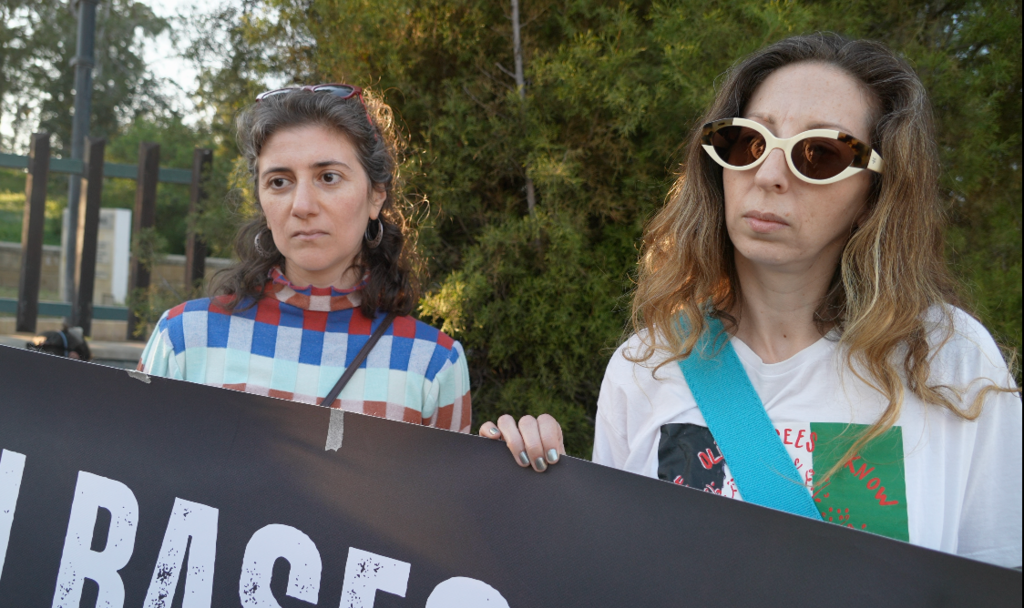
The impact of this situation is multifaceted. Domestically, it has exacerbated political tensions and united civil society groups in protests outside the gates of the bases. Regionally, some analysts fear that the perception of Cyprus as a Western-aligned actor could further complicate delicate relations with Turkey, which maintains troops in the north of the island. Furthermore, there is tangible concern about retaliation: although no group has directly threatened Cyprus, its association with Western military operations places it on a map of potential risk.
The debate also touches on economic and legal nerves. The bases are a significant source of local employment and contribute to the economy, an argument put forward by their defenders. However, critics question the perpetual validity of the 1960s treaties and demand a renegotiation that reflects the current geopolitical reality and the democratic will of Cypriots. The government of the Republic of Cyprus, led by President Nikos Christodoulides, is in a delicate position, attempting to balance its obligations as an EU and NATO ally with public pressure and the need to maintain neutrality in a volatile neighborhood.
In conclusion, the war in the Middle East has acted as a catalyst, exposing the contradictions and risks of a colonial relic in the 21st century. The debate over the British bases in Cyprus transcends local politics; it is a microcosm of broader tensions between national sovereignty and global security strategy, between the right to self-determination and the interests of great powers. As the regional conflict persists, pressure on Nicosia and London to clarify the status and use of these facilities is likely only to increase, forcing a long-overdue reevaluation of this unique vestige of the British Empire.